Bangladesh and Pakistan are headed for a much larger import bill for gas over the next decade, with the International Energy Agency projecting their combined purchases will rise about 70% by 2035 as aging domestic fields run down and demand keeps climbing.
Bangladesh, Pakistan Face Higher LNG Import Bills
That matters because both countries are among Asia’s most price-sensitive gas buyers. The IEA’s forecast points to around 80 billion cubic metres a year of combined imports by 2035 under its Current Policies Scenario, locking Dhaka and Islamabad more tightly into a global LNG market that has already proved volatile, expensive and vulnerable to supply shocks.
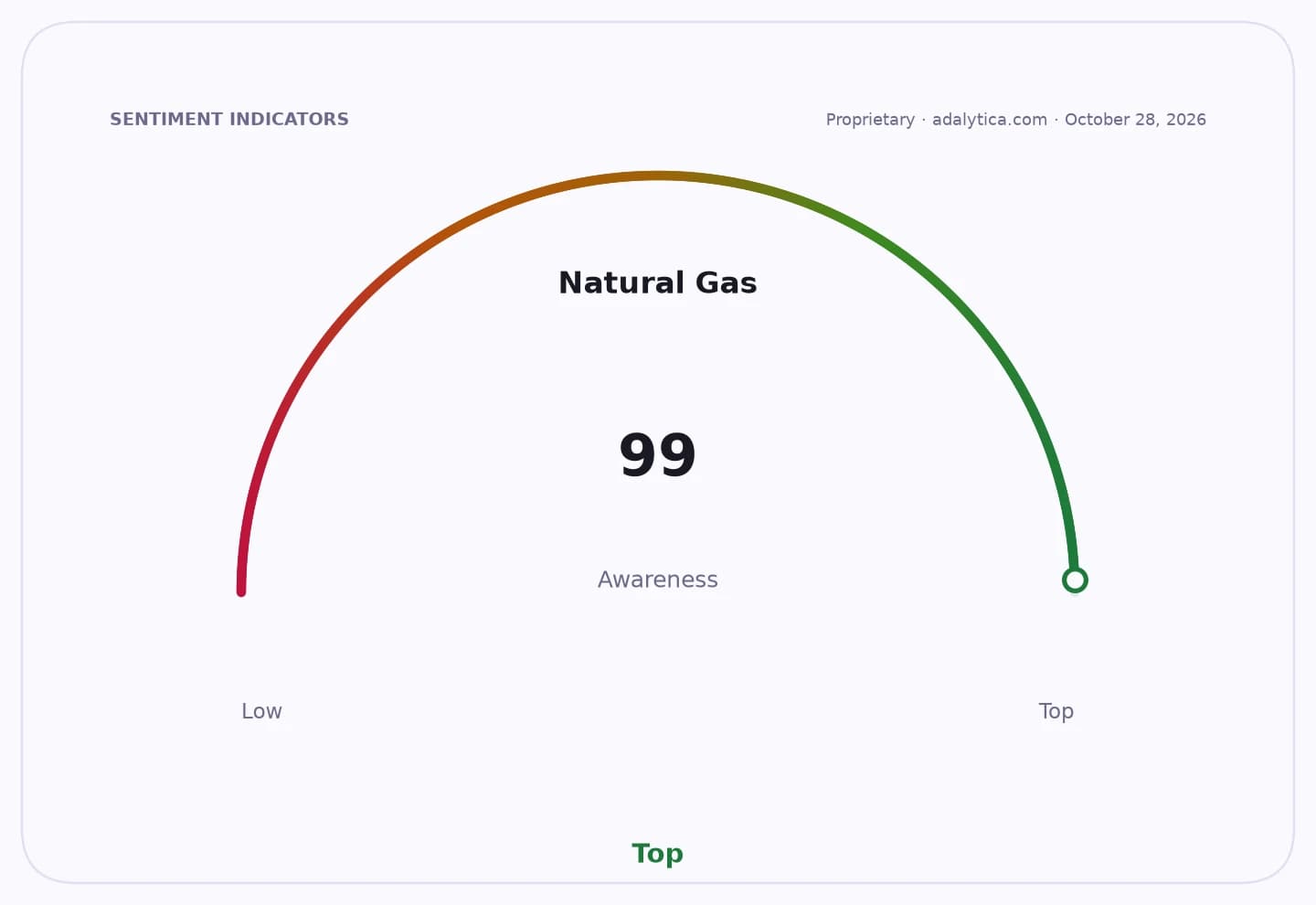
Sentiment Indicators
For Bangladesh, the shift is already visible. Domestic gas output has dropped to about 1,600 million cubic feet per day from roughly 2,700 million in 2016, while the country imported nearly 7 million tonnes of LNG in 2025, including around 4.15 million tonnes from Qatar, according to Petrobangla. When Qatari cargoes were cut, spot LNG approved in September cost $28.03 per million British thermal units, a reminder of how quickly import dependence can turn into a budget shock for an economy that still relies on gas for power, industry and households.
Pakistan faces a different but related squeeze. Islamabad is seeking to reduce contracted deliveries from QatarEnergy under deals running to 2031, even as it requests emergency cargoes for winter. Solar adoption has already eroded gas demand in the power sector, with gas accounting for just 11.5% of electricity generation in March, about half its share a year earlier. But that does not eliminate the import problem: the IEA’s forecast covers industrial, household and fertilizer use as well as power, meaning a weaker role in electricity does not translate into lower structural reliance on imported fuel.
US Dollar
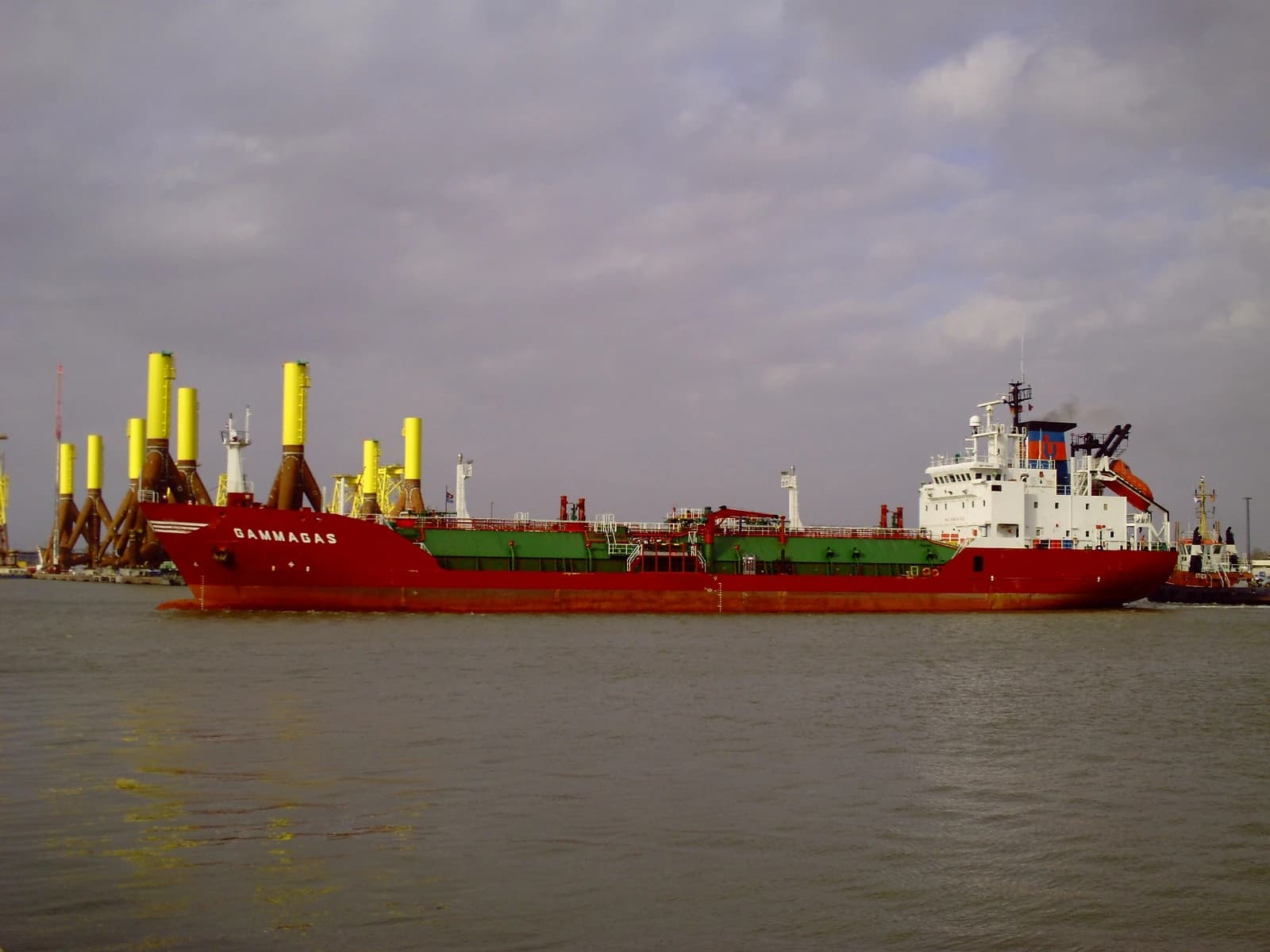
The broader risk is geography. Much of the LNG feeding South Asia still moves through the Strait of Hormuz, where the IEA says about 110 bcm of LNG — a fifth of global trade — passed in 2025, with almost 90% of that headed for Asia. Unlike oil, LNG has no easy detour around the chokepoint, leaving buyers exposed to shipping disruption, conflict risk and higher freight costs. QatarEnergy has kept force majeure on deliveries to both countries since March and extended it to year-end, underscoring how quickly supply interruptions can tighten the market.
The IEA sees some relief from a wave of new LNG supply led by the United States, but that does not remove the structural squeeze for poorer importers. In its outlook, LNG trade between regions grows faster than demand, creating an eventual supply overhang, yet the near-term effect for Bangladesh and Pakistan is still a bigger dependence on seaborne cargoes and spot pricing. Fatih Birol, the agency’s executive director, warned that countries seeking energy security must avoid replacing one dependency with another.
Bangladesh is already moving to secure more long-term supply, including 117 US LNG cargoes from Gunvor through 2038 and a third floating import terminal that would raise regasification capacity from 2028. But the region has a weak record of executing such projects, and the economics remain fragile when spot LNG prices spike. For investors, that keeps the focus on LNG suppliers, shipping and infrastructure plays, while leaving the importers exposed to currency pressure, subsidy costs and industrial disruption if gas prices stay elevated or supply routes are interrupted.
| Entity | Gains | Losses |
|---|---|---|
| US LNG exporters | ▲Larger Asian demand | ▼None immediate |
| Bangladesh, Pakistan | ▲Greater supply options | ▼Higher import bills |
| QatarEnergy | ▲Existing long-term contracts | ▼Force majeure exposure |
| LNG shipping/infrastructure | ▲More regasification demand | ▼Chokepoint disruption risk |