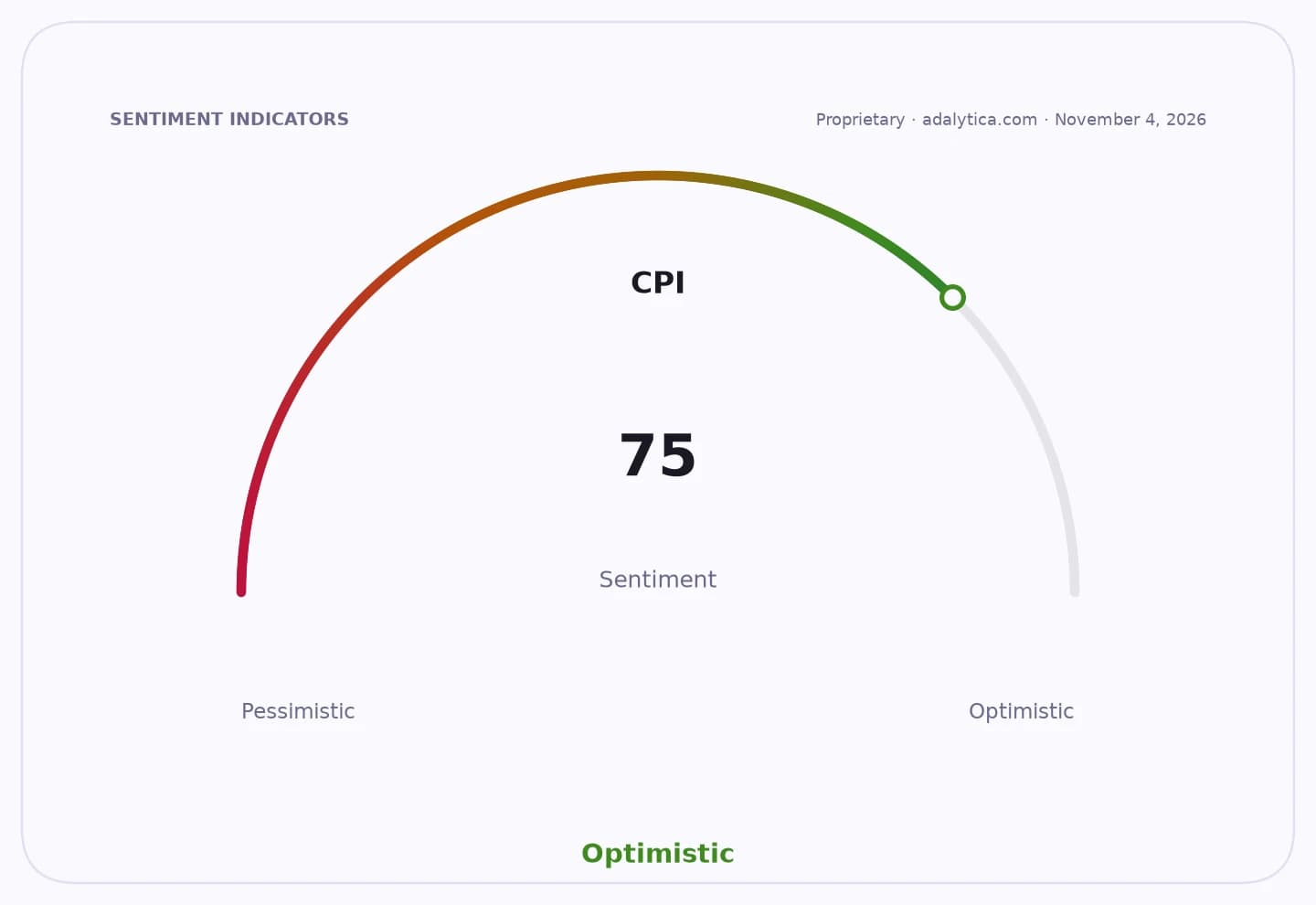
Vietnam’s sharp jump in LNG imports is the clearest sign yet that Asia’s power markets are moving into a tighter, more expensive phase, and investors should treat it as a direct tailwind for LNG producers, shipping and regasification assets.
Vietnam LNG Imports Rise as Hydropower Falls
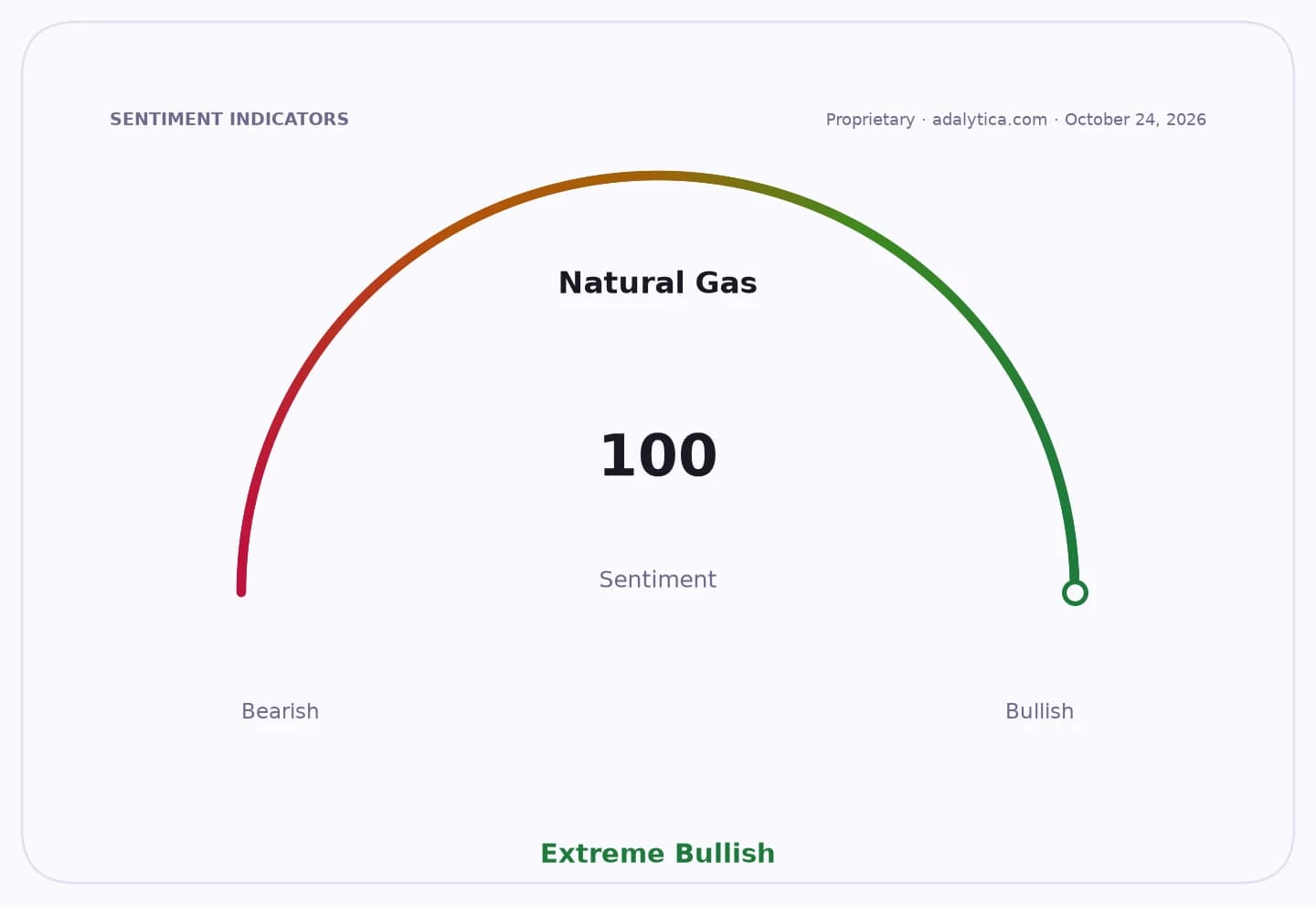
Since Oct. 1, Vietnam’s average daily LNG imports have risen 224% from a year earlier as El Nino slashed reservoir inflows and forced the grid to lean harder on gas-fired generation to prevent blackouts. The country received 13 partial cargoes in the latest 30-day period, versus just two full shipments in the same stretch last year, a surge that underscores how quickly a hydropower shortfall can turn into real demand for imported fuel.
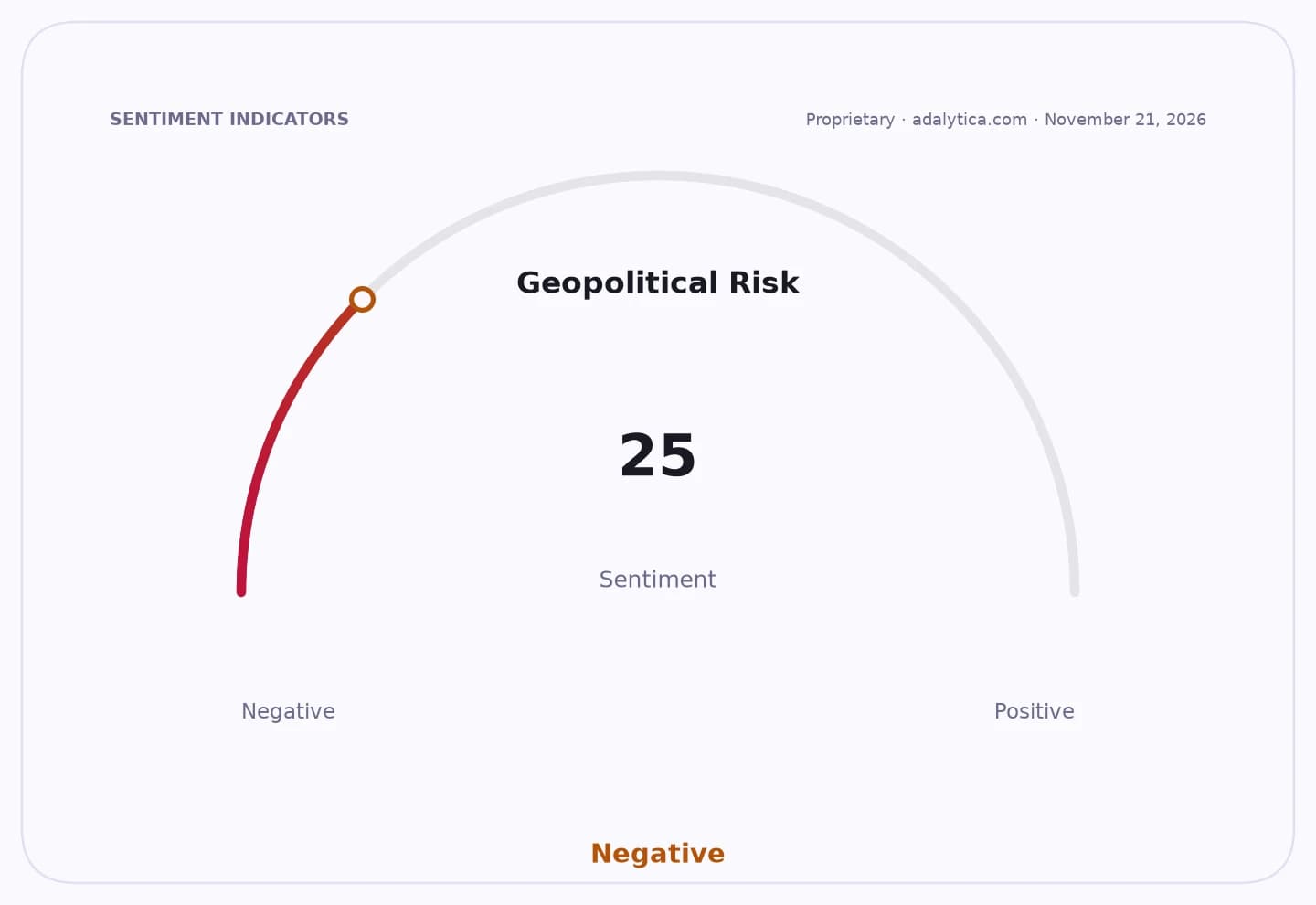
Sentiment Indicators
That matters because Vietnam is not buying LNG for growth alone; it is buying it to keep the lights on. The Ministry of Industry and Trade says reservoir inflows have fallen as much as 80% below long-term averages, while hydropower output is projected to drop by 18.5 billion kilowatt-hours in 2026 from 2025. Hydropower still supplied 31% of Vietnam’s electricity last year, but in the first 10 months of 2026 that share fell to 24.7%, with coal at 49.7% and gas at 7.8%, according to EVN. The government has now ordered generators, including LNG plants, to run at maximum output into year-end to avoid a supply crunch heading into the 2027 dry season.
For investors, the key point is that this is not a one-country anomaly. A powerful El Nino is drying out parts of Southeast Asia and putting hydro systems under pressure across India, the Philippines and beyond, while geopolitical stress in the Middle East has lifted LNG feedstock costs at the same time. Asia LNG benchmark prices averaged $18.74 per MMBtu through August, pushing the cost of LNG-fired power in Vietnam to roughly 3,780 to 4,860 dong per kWh, above government tariff caps. For Nhon Trach 3 and 4, LNG costs reportedly reached about $24 per MMBtu in the third quarter.
That squeeze creates winners and losers. Cheniere Energy, which has seen its shares trade well above both the 50-day and 200-day moving averages in recent months, remains one of the most direct U.S. beneficiaries of incremental Asian demand, especially as buyers seek flexible supply. Cheniere affiliate Cheniere Corpus Christi and terminal peers such as Cheniere’s broader export platform also gain from tighter global balances. Midstream operators with export and storage exposure can benefit too, while shipping and LNG carrier owners should see stronger utilization as cargoes are pulled into Asia.
The risk is that expensive spot LNG eventually collides with policy limits. Vietnam’s state gas firm PV Gas has already signed a supply deal with Shell for 400,000 metric tons a year from 2027 to 2031 and is seeking more long-term volumes, but authorities are also weighing more coal after the war in Iran pushed LNG costs higher. That leaves the market with a clear multi-year trade: rising Asian power insecurity supports LNG infrastructure and export capacity, even as intermittent fuel spikes test the economics of end users.
Our view is simple: the market still underestimates how structural this demand shift can become. When hydro fails, gas becomes the bridge fuel of choice, and that means more cargoes, more terminals, more transport miles and better pricing power for the LNG value chain. For investors looking for exposure to the next leg of global energy security spending, the best opportunities remain in LNG exporters, midstream infrastructure and shipping rather than the utilities forced to absorb the cost.
| Entity | Gains | Losses |
|---|---|---|
| LNG exporters | ▲Higher cargo demand | ▼Tighter spot supply |
| LNG terminal and midstream operators | ▲More throughput fees | ▼Power tariff pressure |
| LNG shipping owners | ▲Stronger vessel demand | ▼Higher operating costs |
| Vietnam utilities/consumers | ▲Fewer blackout risks | ▼Higher electricity costs |