China’s deeper embrace of Russian gas is becoming a bigger energy and geopolitical story, with imports of Russian LNG up 49.1% in the first 10 months of the year and pipeline gas rising 6.1%, according to the trade data in the brief.
China Russian Gas Imports Rise in 2024
Geopolitical Risk
That matters because gas is no longer just a commodity line item for China — it is part of a long-term effort to lock in cheaper, more reliable energy supplies while reducing exposure to volatile global LNG markets and Western shipping routes. For Russia, meanwhile, China is increasingly the buyer that keeps export volumes moving as Europe remains largely closed off.
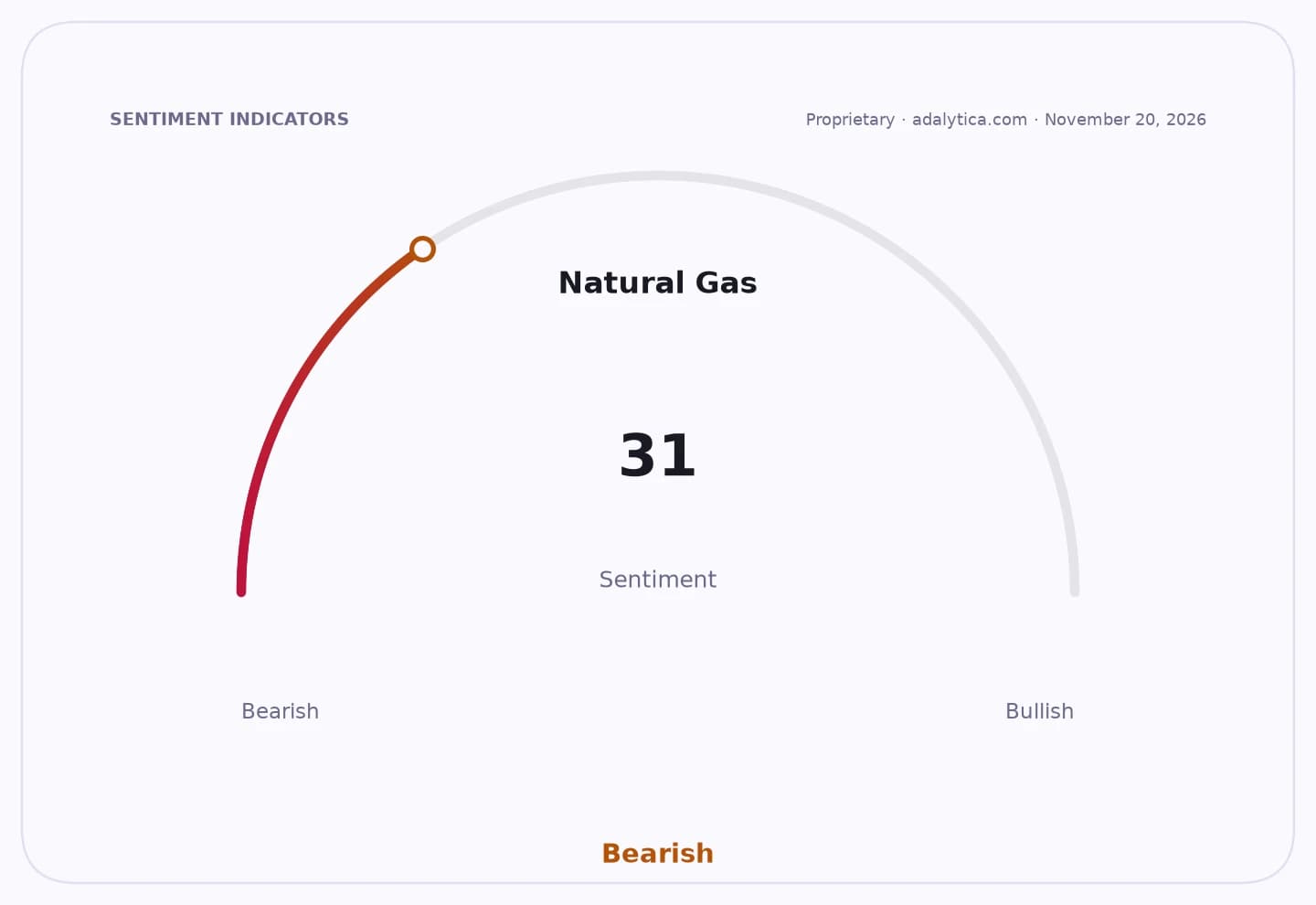
Sentiment Indicators
The numbers show how far the relationship has shifted. Russia is now China’s second-biggest supplier of LNG and its top supplier of pipeline gas. The two sides also signed new agreements covering 106 billion cubic meters, suggesting the trade is being built not as a short-term workaround, but as a structural pillar of bilateral energy ties.
Investors should care because this reshapes the competitive map for global LNG. More Russian cargoes into China can crowd out spot-market demand elsewhere, especially during periods of softer Chinese industrial activity. That can weigh on LNG prices, while also reinforcing the importance of long-term contracts and infrastructure over pure spot exposure. In other words, the winners are the producers and shippers with locked-in Asian demand; the losers are more exposed spot sellers and traders that depend on tight markets.
The October decline in trade flows is worth noting, but it does not change the broader direction of travel. Seasonal swings, maintenance and delivery timing can all distort monthly data. The bigger picture is that China keeps diversifying its energy basket, and Russia keeps finding ways to monetize hydrocarbons outside the Western system.
For long-term investors, the takeaway is simple: this is another sign that the global gas market is splitting into more regional blocs. That tends to support the case for diversified energy exposure, especially among producers with low-cost reserves, large export capacity and the ability to sell into Asia over many years.
| Entity | Gains | Losses |
|---|---|---|
| Russia | ▲More gas exports to China | ▼Less dependence on Europe |
| China | ▲Cheaper, diversified supply | ▼Greater reliance on Russian energy |
| Global LNG exporters | ▲Long-term contract demand | ▼Spot-market pricing power |
| LNG buyers without contracts | ▲Flexible supply options | ▼Higher exposure to market tightness |