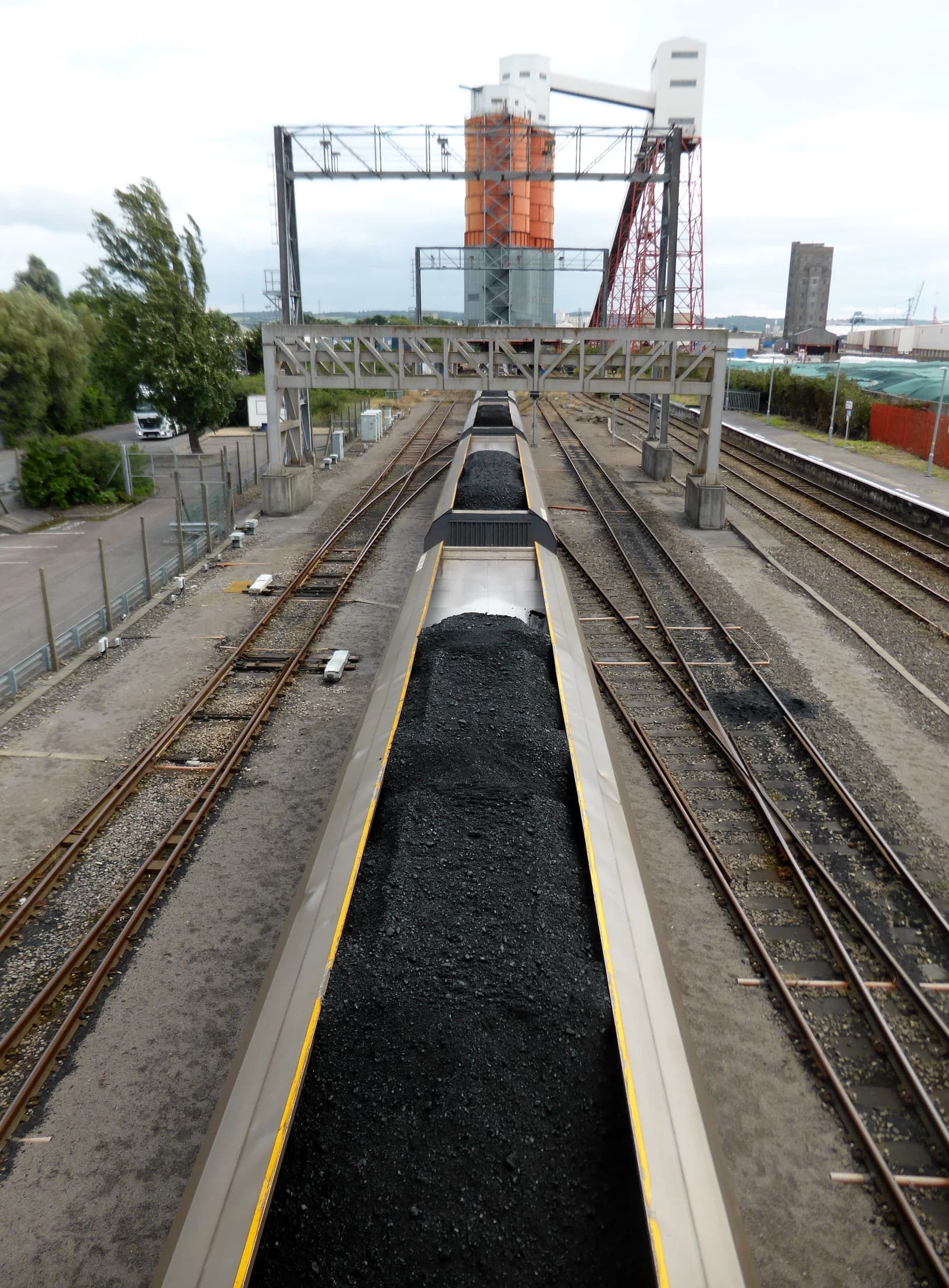
Russia’s coal exporters are getting a temporary lift from surging Chinese prices, but the rally is not enough to fix an industry still squeezed by high freight costs, a strong ruble and limited rail capacity.
Russian Coal Miners Face Rail and Margin Pressure
The main point for investors is that a favorable spot-market move in China does not translate into a clean recovery for Russian miners. More than 80% of Russian coal exports, including coking coal, remain loss-making, according to Dmitry Skryabin, portfolio manager at Alfa Capital. That leaves the sector dependent on conditions it cannot control: the price of coal in its biggest external market, the exchange rate and the availability of rail slots to move the fuel east.
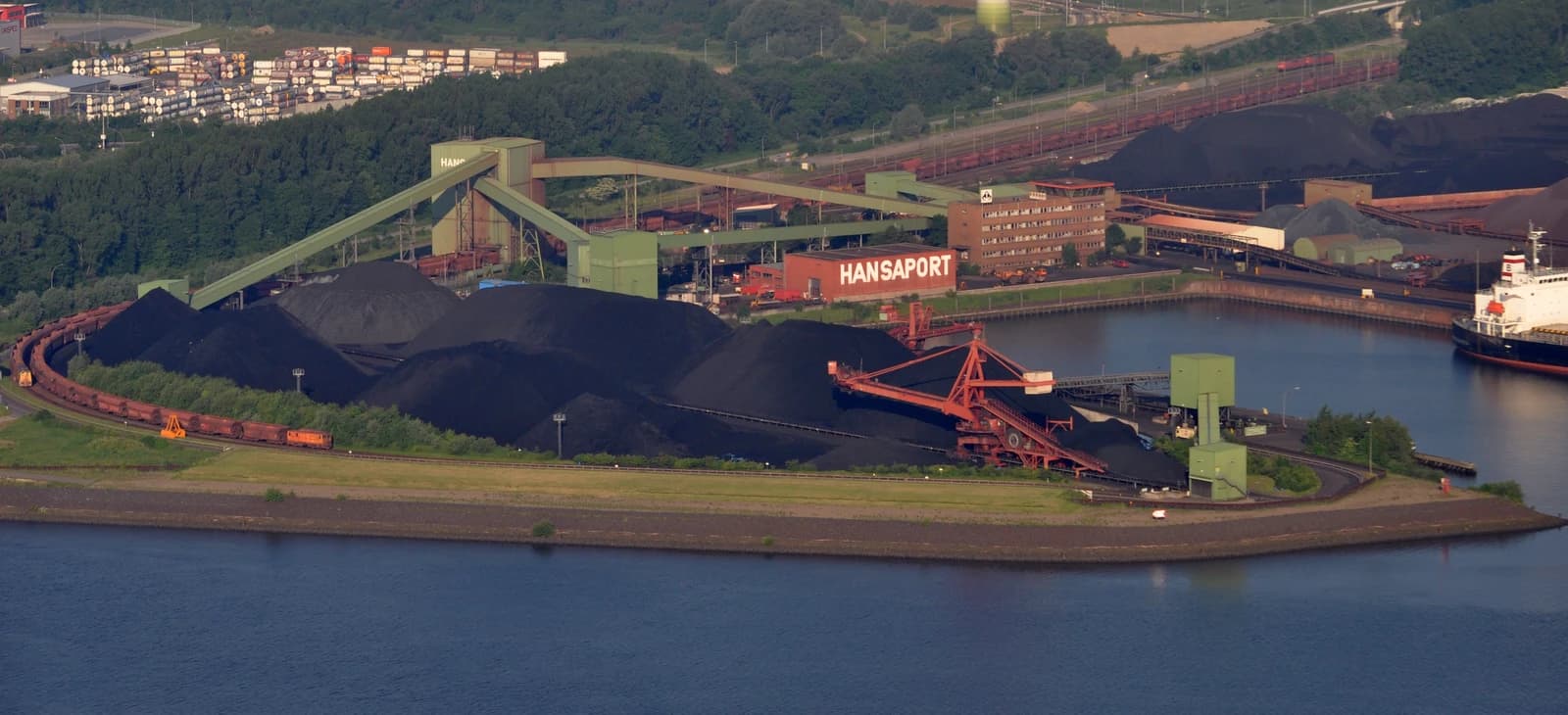
Sentiment IndicatorsⓘProprietary · adalytica.com · October 20, 2026
This is a snapshot — live sentiment, awareness and momentum for 130+ markets update continuously in the dashboard.Open AlphaPulse
The logistics bottleneck is as important as the price backdrop. The Eastern Polygon, the rail corridor linking Russian producers to Asian buyers, can carry about 180 million tons of freight a year, while the volume miners would like to ship exceeds 200 million tons. In other words, even when China pays more, Russia cannot fully monetize the move because it cannot physically deliver enough cargo. That limits the speed and scale of any earnings recovery.
The price shock is also reverberating inside Russia. The cost of coking coal grade GZh has risen by about 25% since the summer, raising input costs for steelmakers at a time when demand and pricing for finished metal products are stagnant. That combination tightens margins in black metallurgy and could pressure cash flow across the industrial complex, even as coal miners struggle to turn higher prices into profit.
For markets, the message is split. Coal producers can point to a better external price environment, but the bear case remains stronger: transport economics and currency strength are still overwhelming the benefit. Steelmakers, by contrast, face a direct cost headwind without an obvious offset in final-product pricing. Investors in Russian resource names are therefore looking at a two-speed setup in which Chinese demand supports headlines, but not necessarily profits.
The broader narrative is that commodity prices alone are no longer enough to rescue producers when infrastructure, sanctions-era trade shifts and currency dynamics keep distorting the economics. Unless rail constraints ease or export margins improve materially, Russia’s coal sector is likely to remain under pressure, while downstream industrial users absorb part of the pain.
| Entity | Gains | Losses |
|---|---|---|
| Russian coal miners | ▲Higher China prices | ▼Rail bottlenecks, weak margins |
| Russian steelmakers | ▲None | ▼Higher coking coal costs |
| China coal sellers | ▲Stronger import demand | ▼Higher procurement costs |
| Rail operators / logistics | ▲Higher utilization potential | ▼Capacity constraints and congestion |