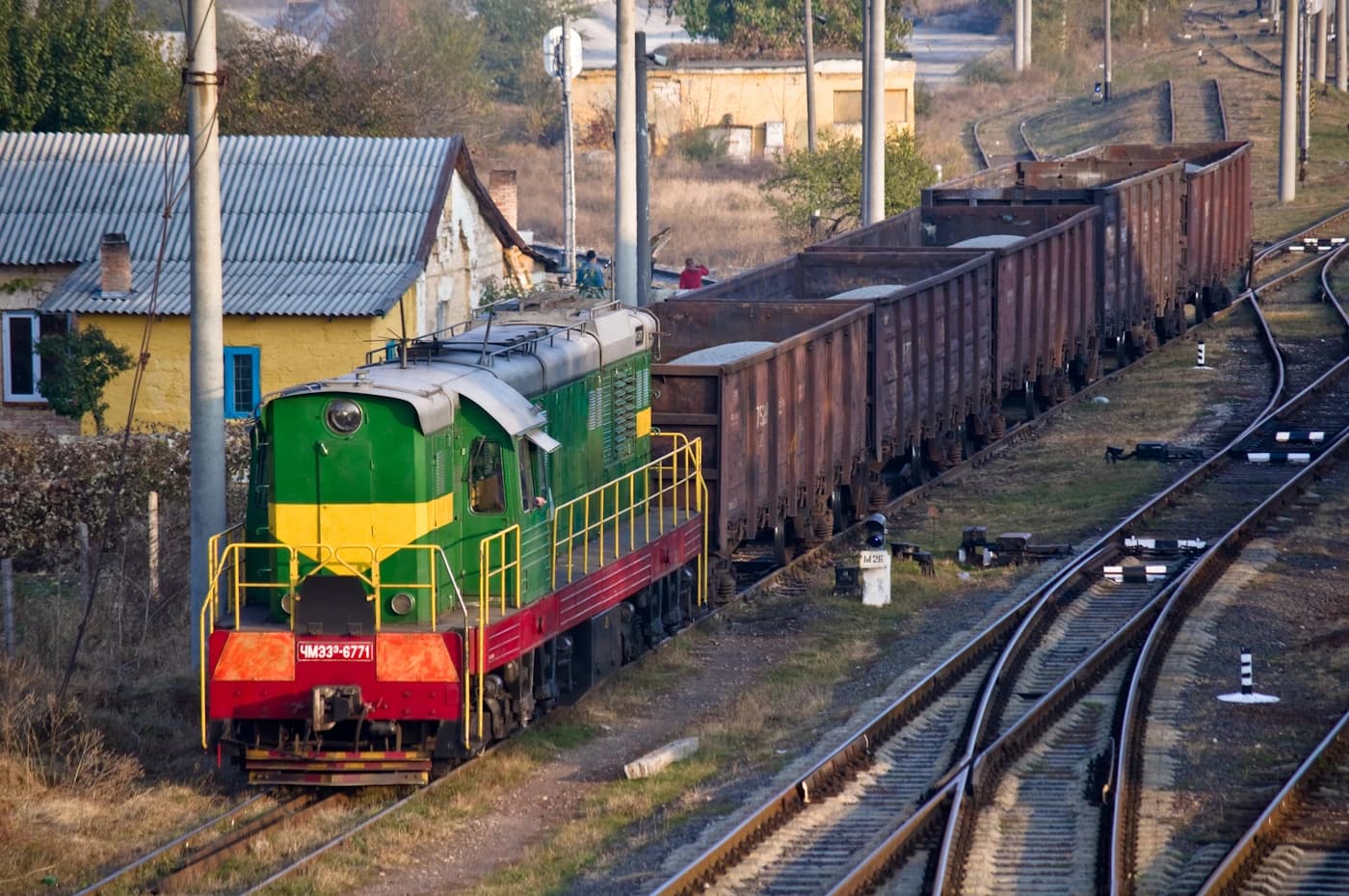
Russia’s coal industry is headed for another year of losses near 300 billion rubles, underscoring how weak prices, expensive debt and overloaded rail routes are overwhelming even rising exports to the east.
Russia coal losses near 300 billion rubles in 2024
The Ministry of Energy says eastbound coal shipments have climbed to 123 million to 125 million tons, but that volume increase is too small to plug the sector’s financial hole. Even after a 6% rise in shipments over nine months, the extra export revenue would cover less than a tenth of the expected loss, according to industry estimates.
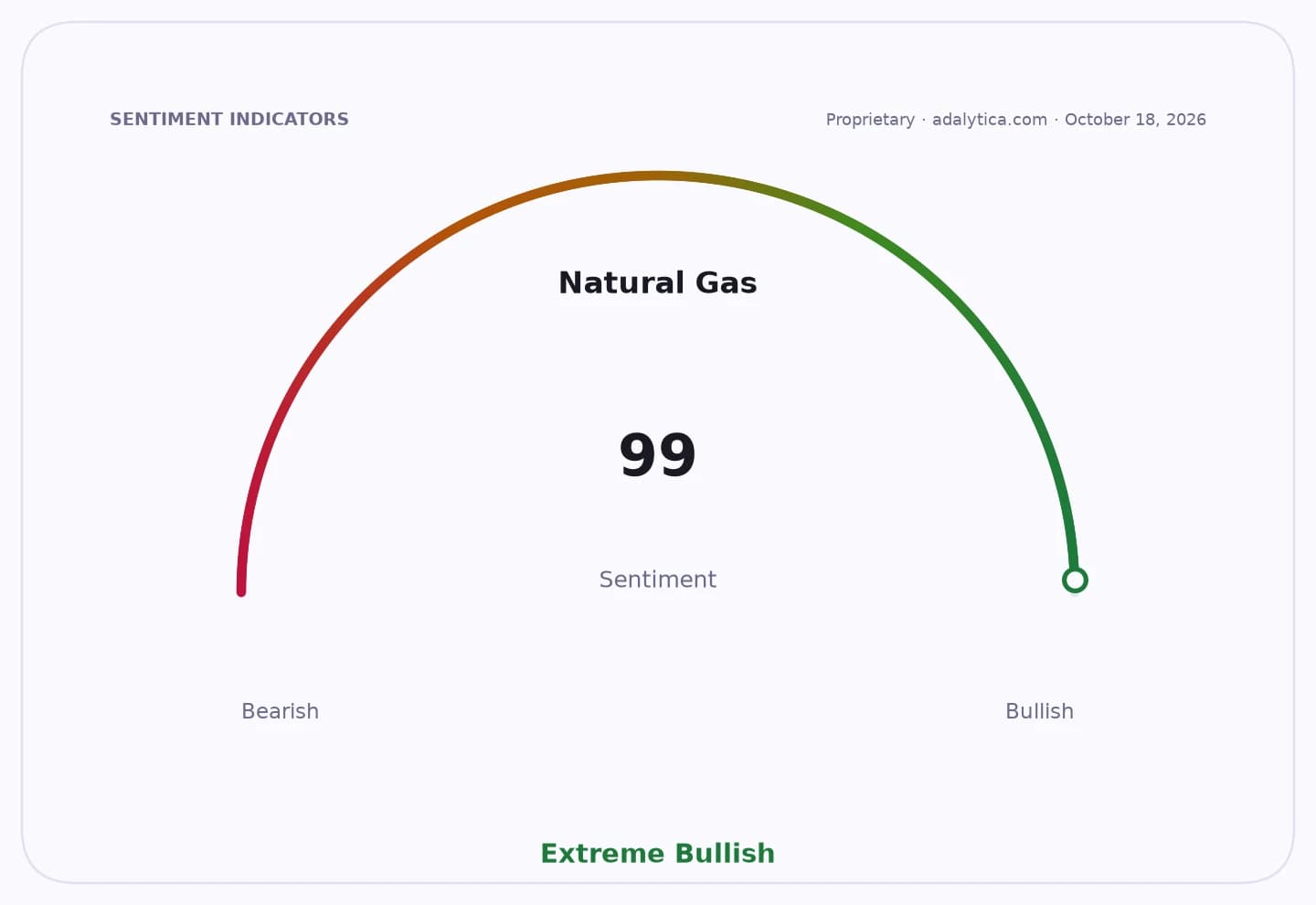
Sentiment IndicatorsⓘProprietary · adalytica.com · October 20, 2026
This is a snapshot — live sentiment, awareness and momentum for 130+ markets update continuously in the dashboard.Open AlphaPulse
The problem is structural: logistics and financing now eat much of the cash generated by each tonne. The industry’s loan debt is estimated at more than 1.5 trillion rubles, with another 1.6 trillion to 1.8 trillion rubles in payables, while high borrowing costs alone could account for about 210 billion rubles a year in interest expense if average rates track the central bank’s 14% policy level.
Rail costs are amplifying the squeeze. Officials say logistics can consume 70% of revenue on export deliveries from Kuzbass, and the industry says railway tariffs have risen 2.5 times since 2021 even as prices for thermal coal fell sharply from 2022 peaks. With the Baikal-Amur Mainline and Trans-Siberian Railway close to capacity, producers cannot simply ship more coal to make up the difference.
That leaves the sector with a growing list of casualties. The energy ministry expects about 70% of coal companies to end the year unprofitable, up from 62 firms in the red in the spring, and 20 producers have already stopped mining.
Markets have already priced in the stress. Peabody Energy’s U.S.-listed shares, which investors use as a barometer for global coal sentiment, are trading well below their 50-day and 200-day moving averages, while the Adalytica Coal Fear & Greed Index shows greed at 79 but extreme fear on awareness, highlighting a gap between near-term trading appetite and broader market caution.
The government still hopes losses can fall to 100 billion rubles by 2027, but even that would require firmer coal prices, cheaper funding and some relief on transport costs. Analysts say a return to sector-wide profit is unlikely before 2028-2029 unless the weakest mines close, tariffs are reworked or the state steps in with freight subsidies.
| Entity | Gains | Losses |
|---|---|---|
| Eastbound exporters with short rail routes | ▲Better access to Asian demand | ▼Still face high logistics costs |
| Russian Railways and ports | ▲Guaranteed tariff income | ▼Risk of subsidy pressure |
| Low-cost coking coal miners | ▲Higher realized prices | ▼Sector-wide weakness drags margins |
| High-debt thermal coal producers | ▲— | ▼Interest costs and losses mount |