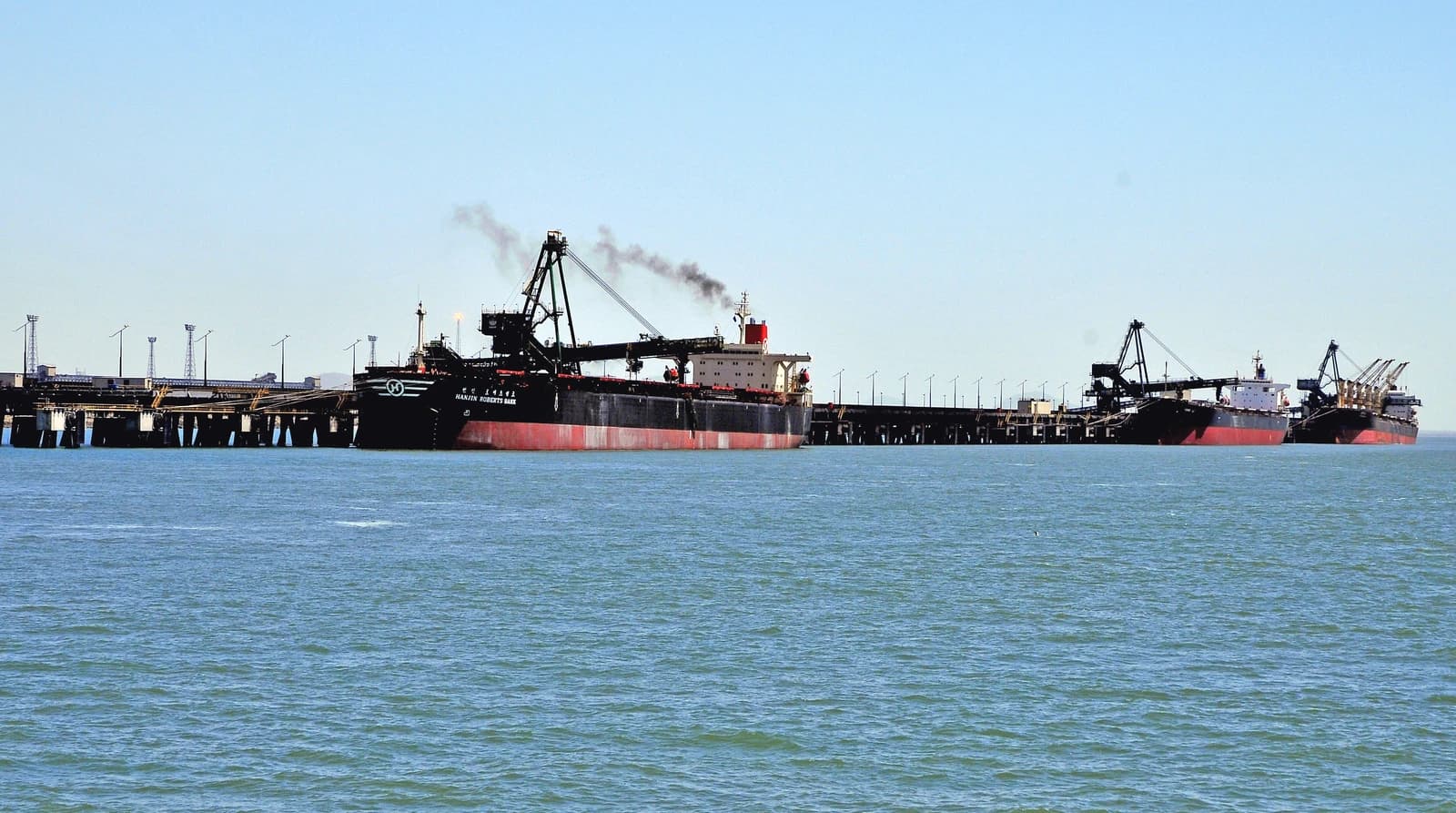
Japan’s state-backed resource agency is making it easier for private firms to secure rights to overseas thermal coal, a move that underscores how energy security concerns are still outweighing the country’s climate ambitions in the near term.
Japan JOGMEC Eases Overseas Thermal Coal Rules
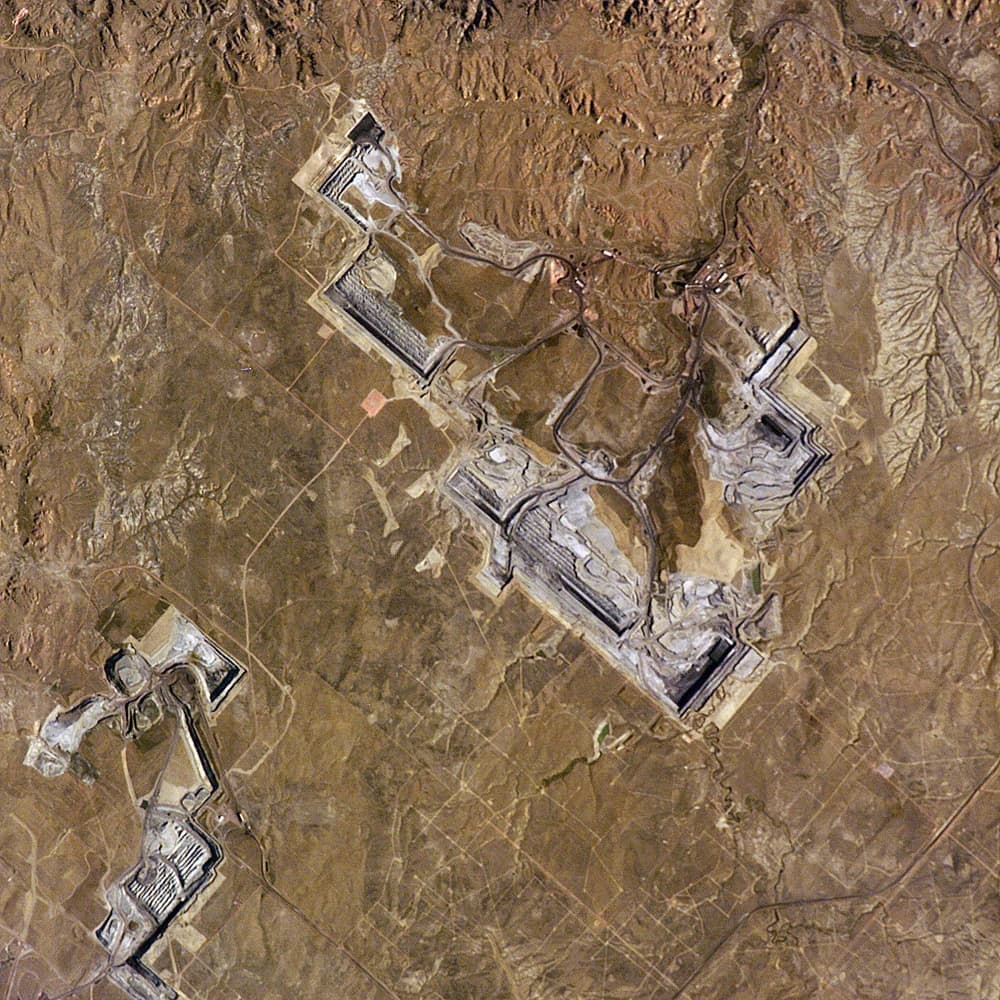
JOGMEC said it has begun a public call for coal mine investigation projects under a revised framework designed to broaden participation in its “project-based JV” scheme and strengthen stable supply of thermal coal to Japan. The biggest policy change is that companies no longer need to prove that more than half of the coal will be imported into Japan, and they are no longer required to shoulder one-third of any unrecovered exploration costs. Instead, firms must show that Japanese demand can be supplied to some degree and that they will maximize deliveries to domestic buyers when requested.
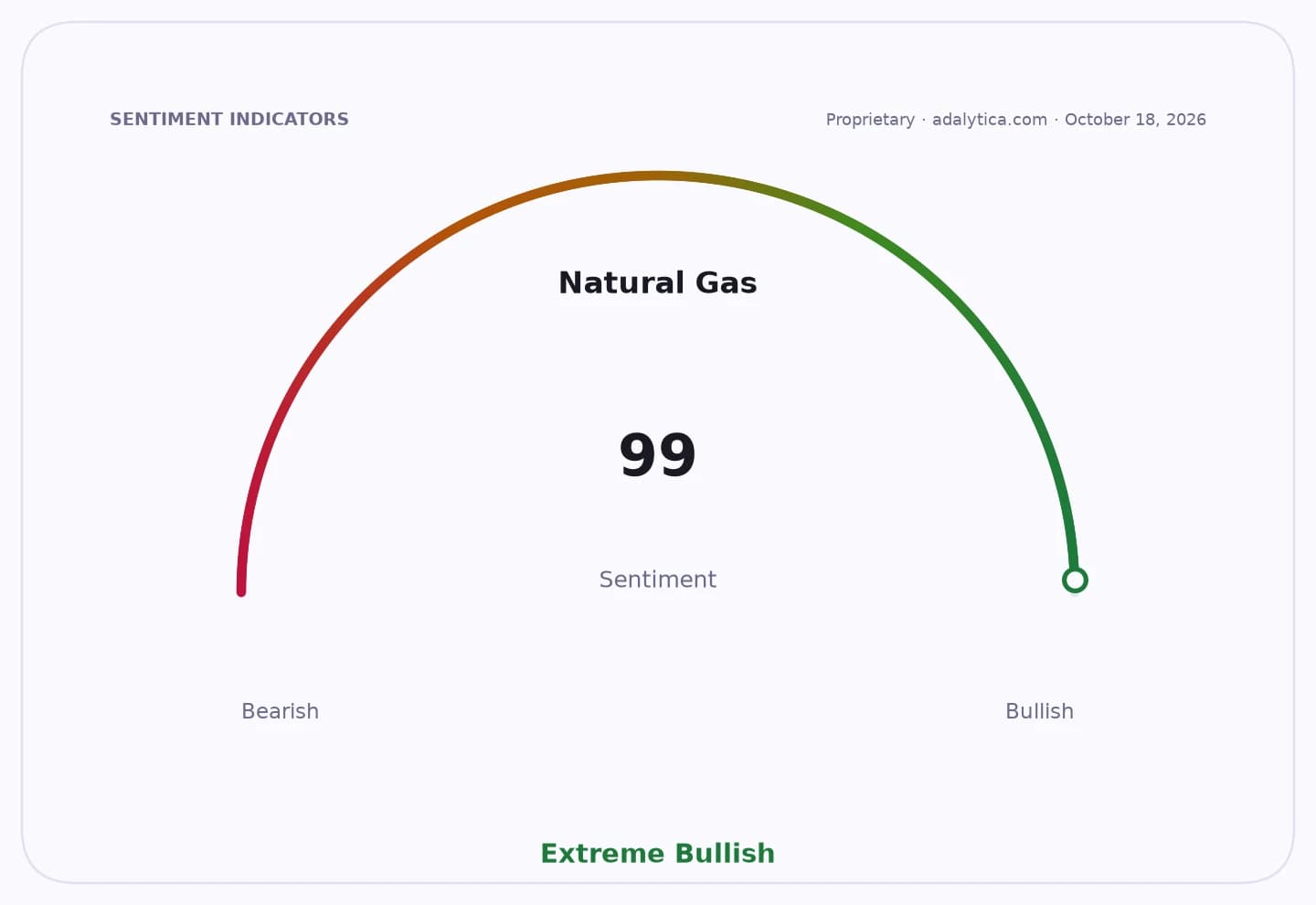
Sentiment IndicatorsⓘProprietary · adalytica.com · October 18, 2026
This is a snapshot — live sentiment, awareness and momentum for 130+ markets update continuously in the dashboard.Open AlphaPulse
The change matters because Japan remains structurally dependent on coal for power. Thermal coal still accounts for about 29% of the country’s electricity mix, and the government’s latest energy plan calls for maintaining a 60% self-development ratio by 2040. Yet the current level is still below 25%, leaving a wide gap between policy targets and actual supply security. In that context, JOGMEC is trying to lower the commercial hurdles for private groups to back overseas exploration in exchange for offtake rights.
For investors and commodity markets, the message is that Japan is not stepping away from coal procurement; it is formalizing a more flexible route to secure supply. That could support coal developers, traders and shipping interests with access to Japanese end demand, while also helping utilities and industrial buyers lock in longer-term supply. The move may also encourage more multi-year term contracting, which Japan says is important for stable procurement amid a still-volatile geopolitical backdrop.
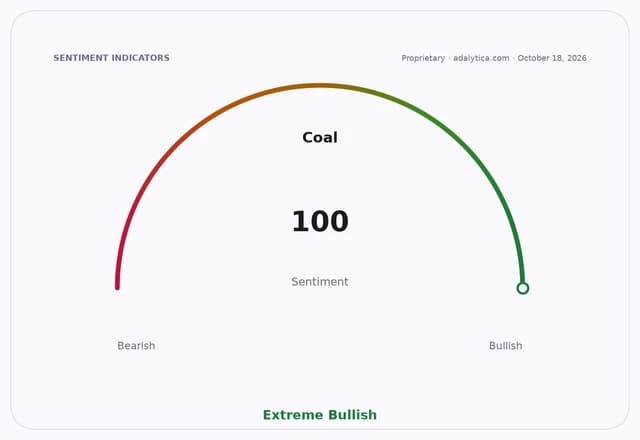
The timing is notable. JOGMEC framed the revision against heightened global instability, including Middle East tensions, and the broader market backdrop still reflects supply sensitivity. Adalytica’s Coal Fear & Greed Index is at 100, or “Extreme Greed,” even as awareness remains low, suggesting the coal trade is still attracting strong positioning with limited broader market attention. That fits with recent price resilience in thermal coal, and with the view that supply conditions are expected to remain tight enough to keep buyers focused on security of delivery rather than on price alone.
For listed coal producers, the immediate impact is indirect but meaningful. Peabody Energy, whose shares closed at $23.89 on Oct. 16, has slipped below both its 50-day and 200-day moving averages, with an RSI of 38.5, showing the stock has been under pressure even as the sector remains strategically relevant. Any incremental boost to long-term offtake demand from Japan would support the investment case for exporters that can demonstrate reliable supply and low political risk.
The bull case is that JOGMEC’s rule change broadens the pool of projects that can be financed and advanced, improving the odds of new supply arrangements for Japanese buyers. The bear case is that the loosening of requirements may not translate quickly into actual volumes if coal economics, project risk or environmental scrutiny deter private participation. Either way, the policy shift signals that Japan is still willing to use public tools to secure thermal coal, and investors should watch for whether the revised framework produces new project awards, longer-term contracts and better visibility for exporters into 2027 and beyond.
| Entity | Gains | Losses |
|---|---|---|
| Japanese utilities and industry buyers | ▲Better access to coal supply | ▼Less stringent procurement rules |
| JOGMEC and private sponsors | ▲Easier project participation | ▼Higher exposure to project risk |
| Coal miners/exporters | ▲Potential new offtake demand | ▼More competition for compliant projects |
| Climate-focused investors | ▲— | ▼Coal demand support persists |