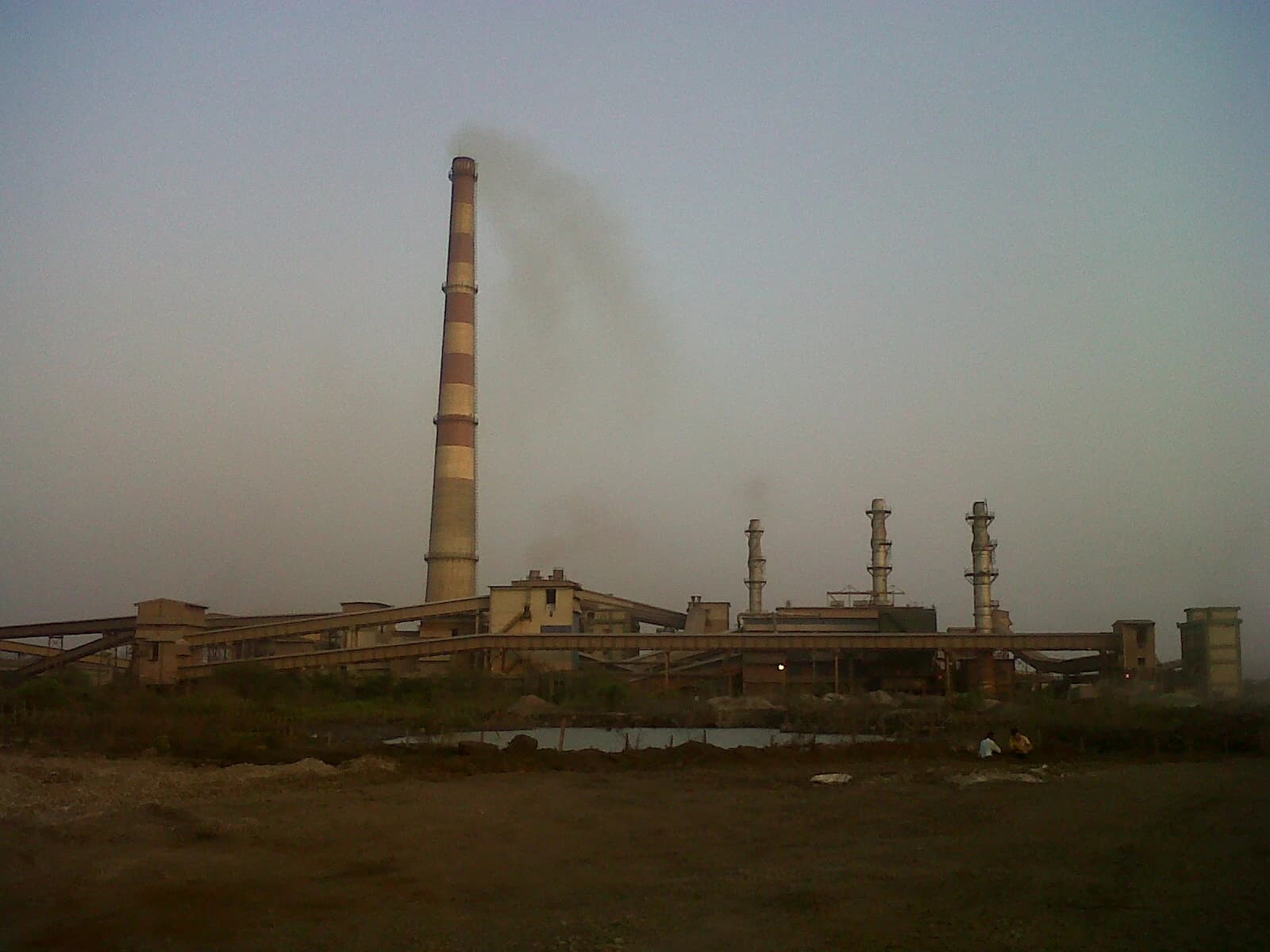
JSW’s latest setup is looking very different from the one that punished investors earlier this year: bearish bets have been cut sharply, a major foreign sovereign fund has entered the register, and the economics of its core coking coal business are finally improving.
JSW short interest falls as coal economics improve
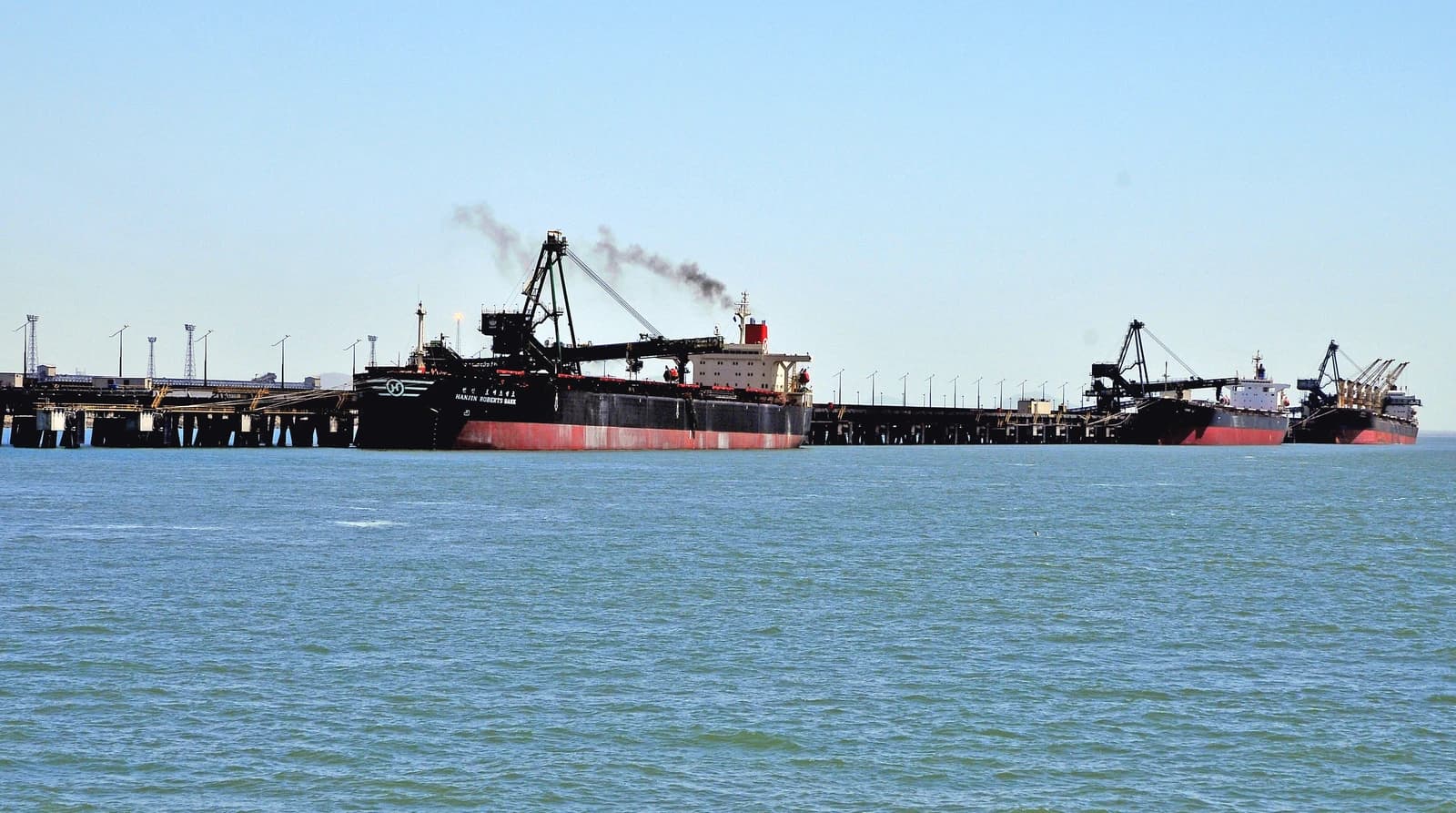
That combination matters because JSW is not a steady compounder — it is a highly cyclical miner that tends to move violently when sentiment and fundamentals turn at the same time. When shorts are forced to cover, coal prices rise and costs fall, the stock can re-rate fast. For long-term investors, that does not guarantee a straight line higher, but it does suggest the market is starting to price in something better than survival.
Sentiment IndicatorsⓘProprietary · adalytica.com · October 9, 2026
This is a snapshot — live sentiment, awareness and momentum for 130+ markets update continuously in the dashboard.Open AlphaPulse
The clearest change is in positioning. In early August, disclosed short interest in JSW stood at 3.32% of capital. By Oct. 7, it had dropped to 1.16%, with Qube Research & Technologies left as the only reported short seller after Numeric Investors and Arrowstreet Capital exited. Short covering is not a thesis by itself, but it is real buying pressure, and it removes one of the biggest overhangs on the shares.
At the same time, foreign institutions are not just standing by. Norges Bank Investment Management, the Norwegian sovereign wealth fund, held 0.93% of JSW at the end of June and disclosed it as a new position in the first half of 2026. That matters more than the presence of passive index holders such as Vanguard or BlackRock, because it suggests a new active vote of confidence in a name that had been written off by many investors.
The fundamental picture is still mixed, and that is exactly why the setup is interesting. JSW posted a net loss of 1.04 billion zlotys in the first half of 2026, but second-quarter EBITDA turned slightly positive at about 51 million zlotys. Revenue remained under pressure, yet the direction of travel is better than it was a year ago, when losses were far deeper.
The economics of the business are also moving the right way. JSW’s average coking coal selling price rose to 767.4 zlotys a ton in the second quarter, while the unit Mining Cash Cost fell more than 21% to 609.3 zlotys a ton in the first half. That widening spread is what investors care about most in a miner: it is the lever that can turn a weak market into a profitable one once prices and costs move together.
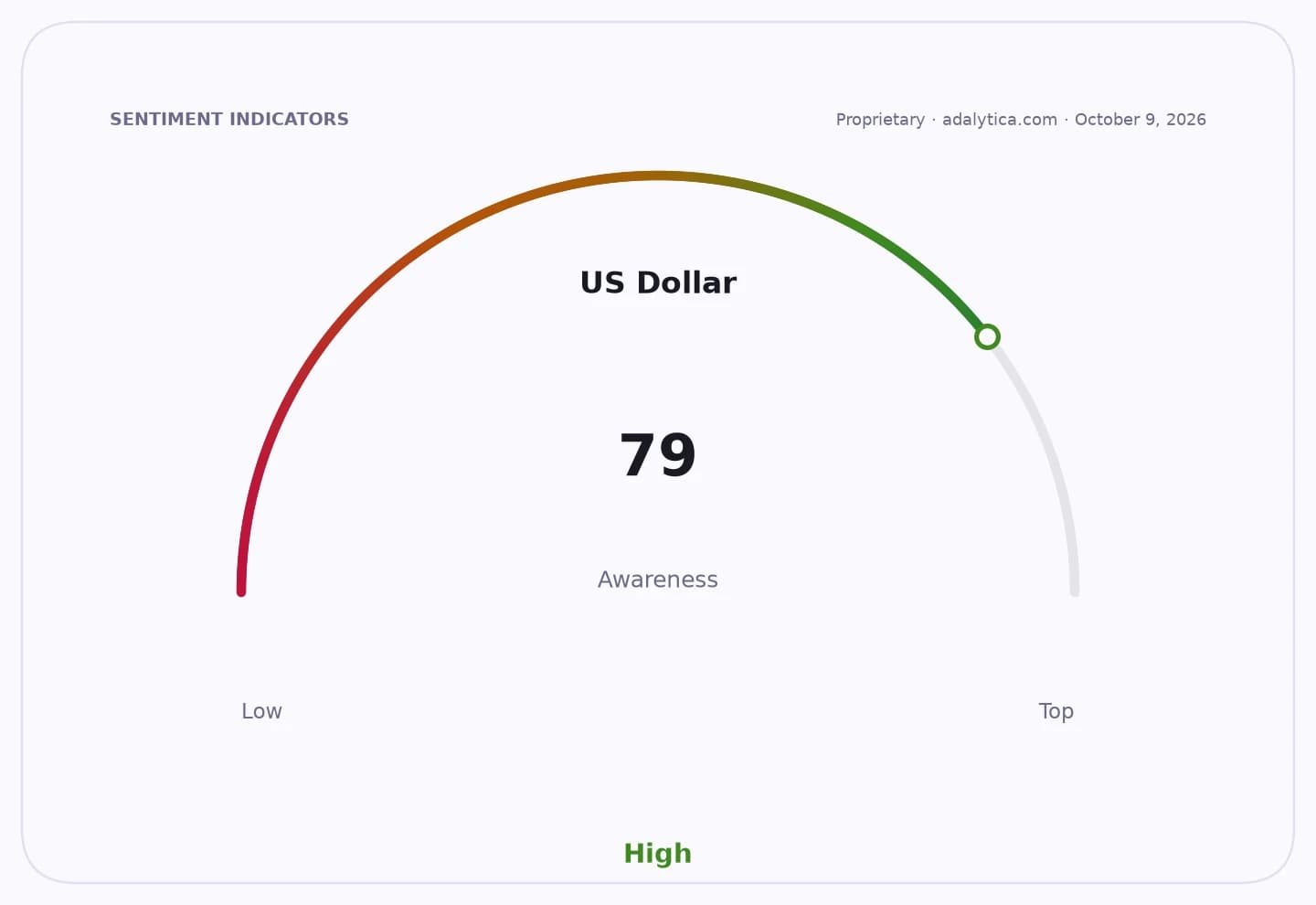
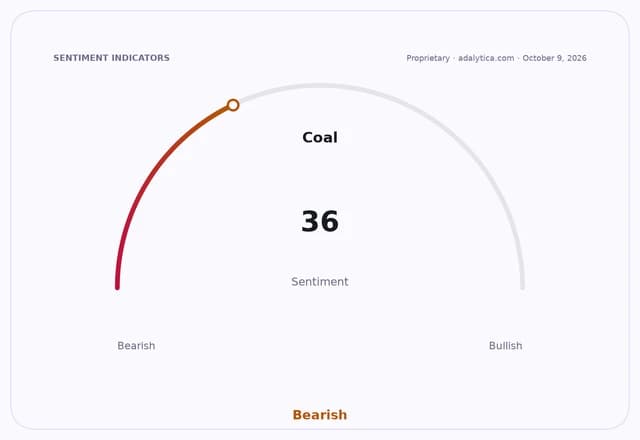
Adalytica’s Coal Fear & Greed Index underscores how quickly coal sentiment can swing. The snapshot is still neutral, but awareness remains at “Extreme Fear,” which tells you the market is still skittish even as the commodity price rebounds. That can be an opportunity for patient investors, because the best moves in cyclical stocks often begin when fear is still widespread and balance sheets are still healing.
There are reasons to stay cautious. JSW is still carrying a large loss, its turnaround program will take time to filter through, and the coal market can turn just as quickly in the other direction. But the company now has three supports it did not have a few months ago: less bearish positioning, a new foreign buyer, and better operating economics.
For investors, the key question is not whether JSW can bounce for a few sessions. It is whether the company can sustain higher coking coal prices, keep cutting costs and protect liquidity long enough to convert the current stabilization into durable cash flow. The answer to that will determine whether this is just another oversold rally or the start of a real multi-quarter recovery worth holding through the noise.
| Entity | Gains | Losses |
|---|---|---|
| JSW longs | ▲Short-covering fuel | ▼Volatility risk |
| Short sellers | ▲Faster exit opportunity | ▼Forced buybacks |
| Norges Bank | ▲Turnaround exposure | ▼Near-term downside if recovery stalls |
| Steelmakers/importers | ▲Lower coal costs if rally fades | ▼Higher input costs if coal stays firm |