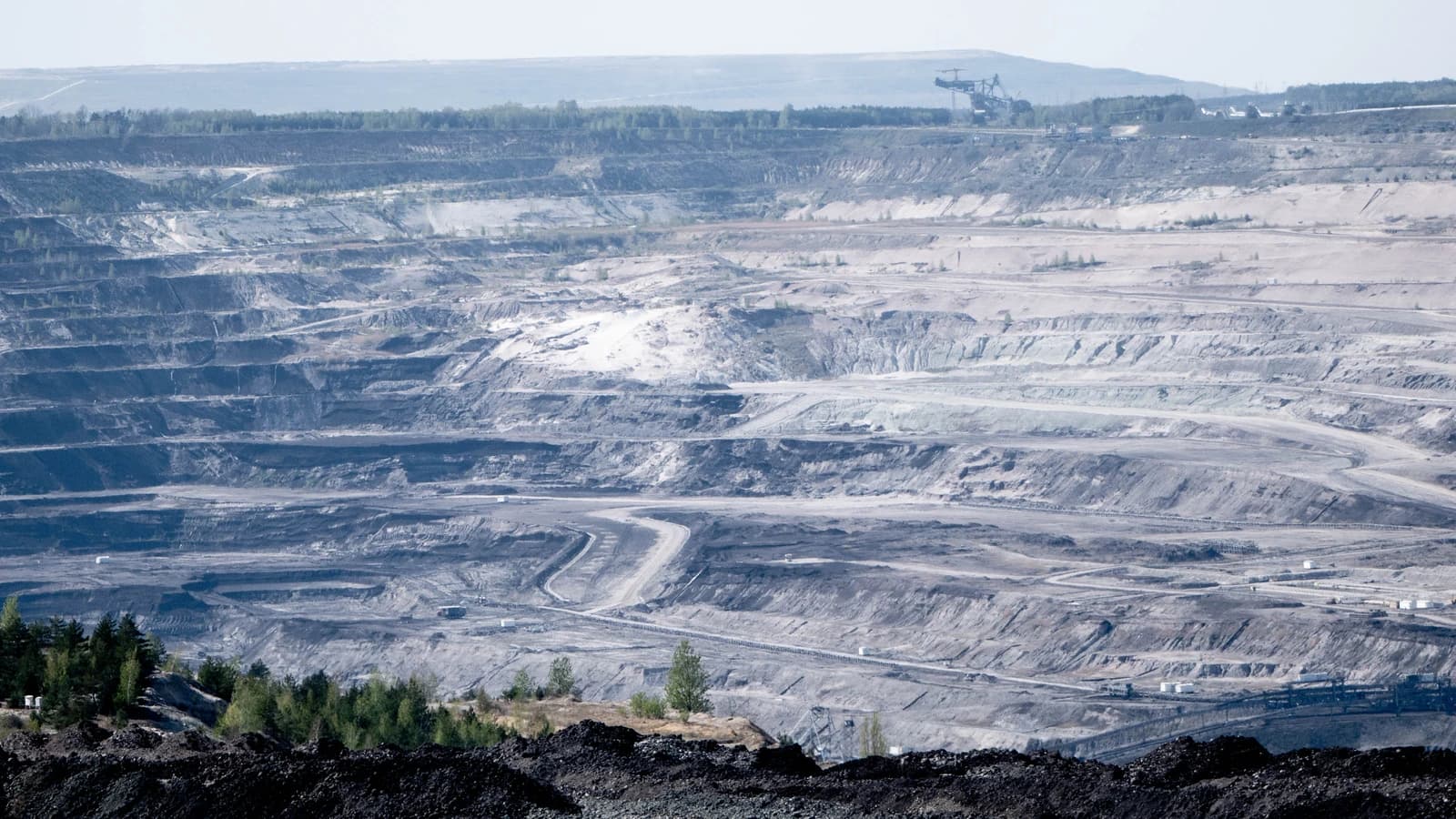
JSW’s decision to sell more than 4 billion zlotys of coal shows how badly the Polish miner’s finances are being squeezed — and why investors should treat this as a balance-sheet problem, not just a one-off asset sale.
JSW sells coal assets to raise cash
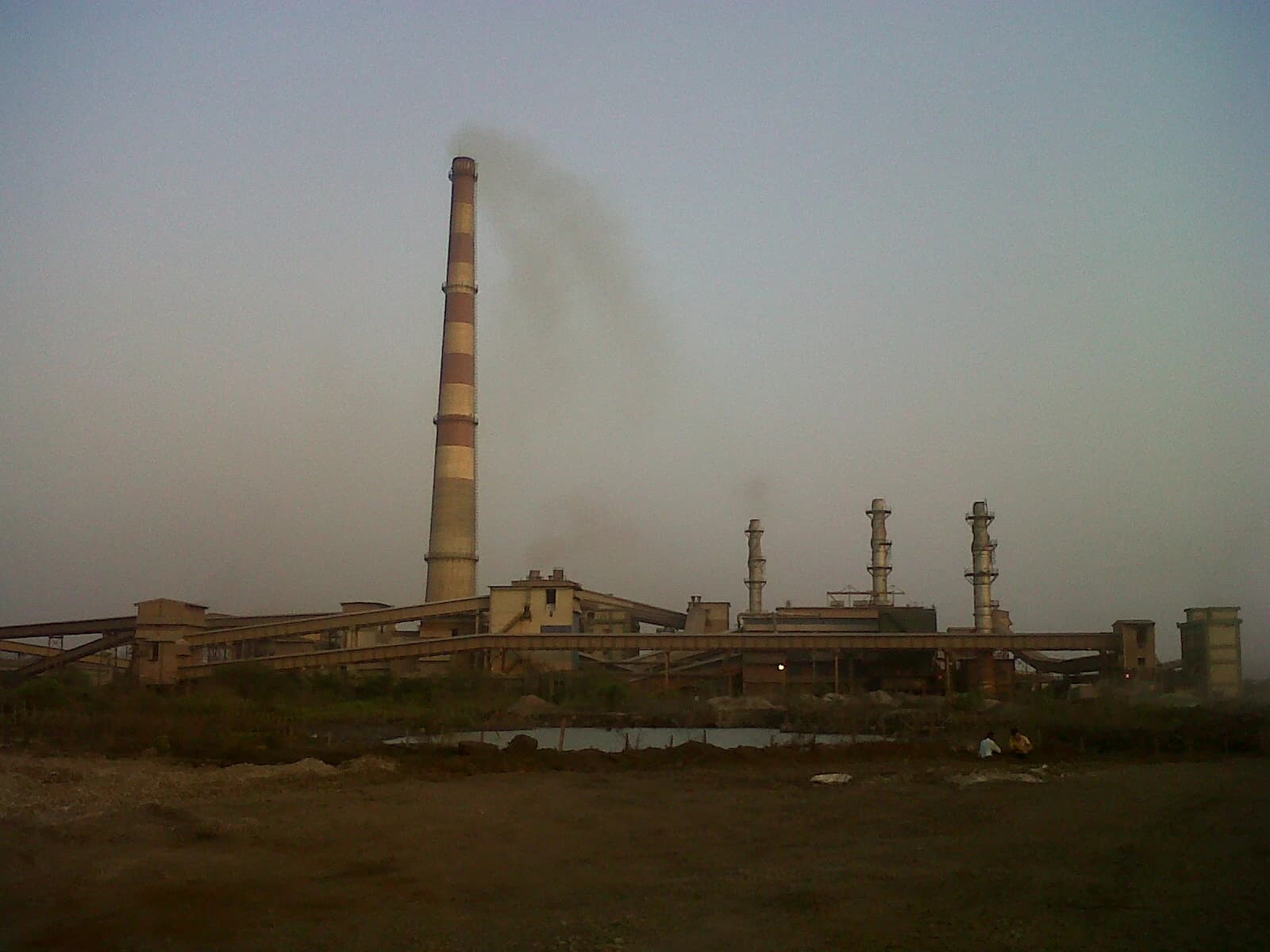
The company has turned to selling coal and related assets to raise cash, but the headline figure is already telling you the uncomfortable truth: even a multibillion-zloty disposal is not enough to offset the scale of the losses building in a cyclical, capital-intensive business. For long-term investors, that matters because it signals a company fighting for liquidity and breathing room while coal markets remain volatile and demand is increasingly shaped by policy, regulation and the global energy transition.
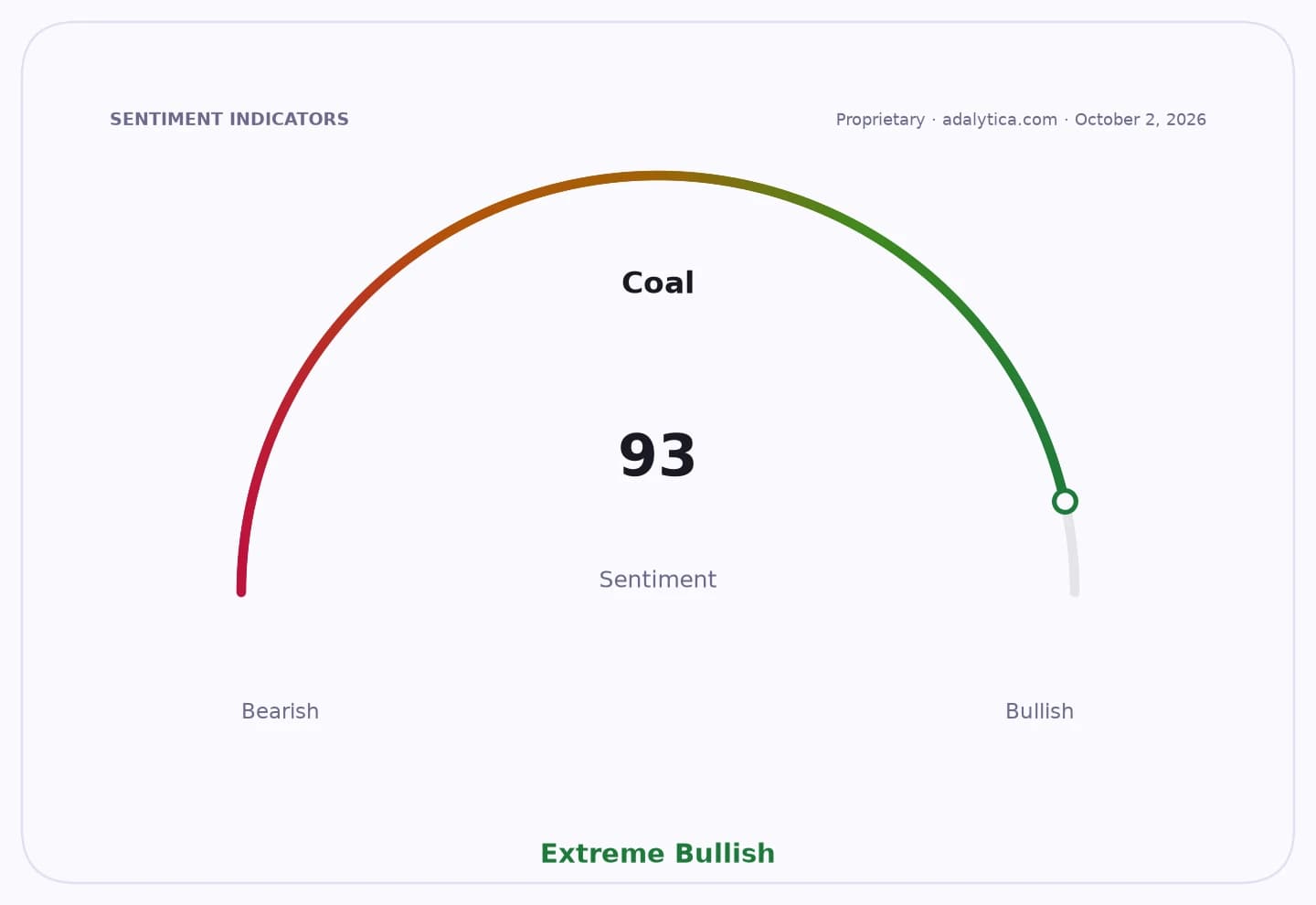
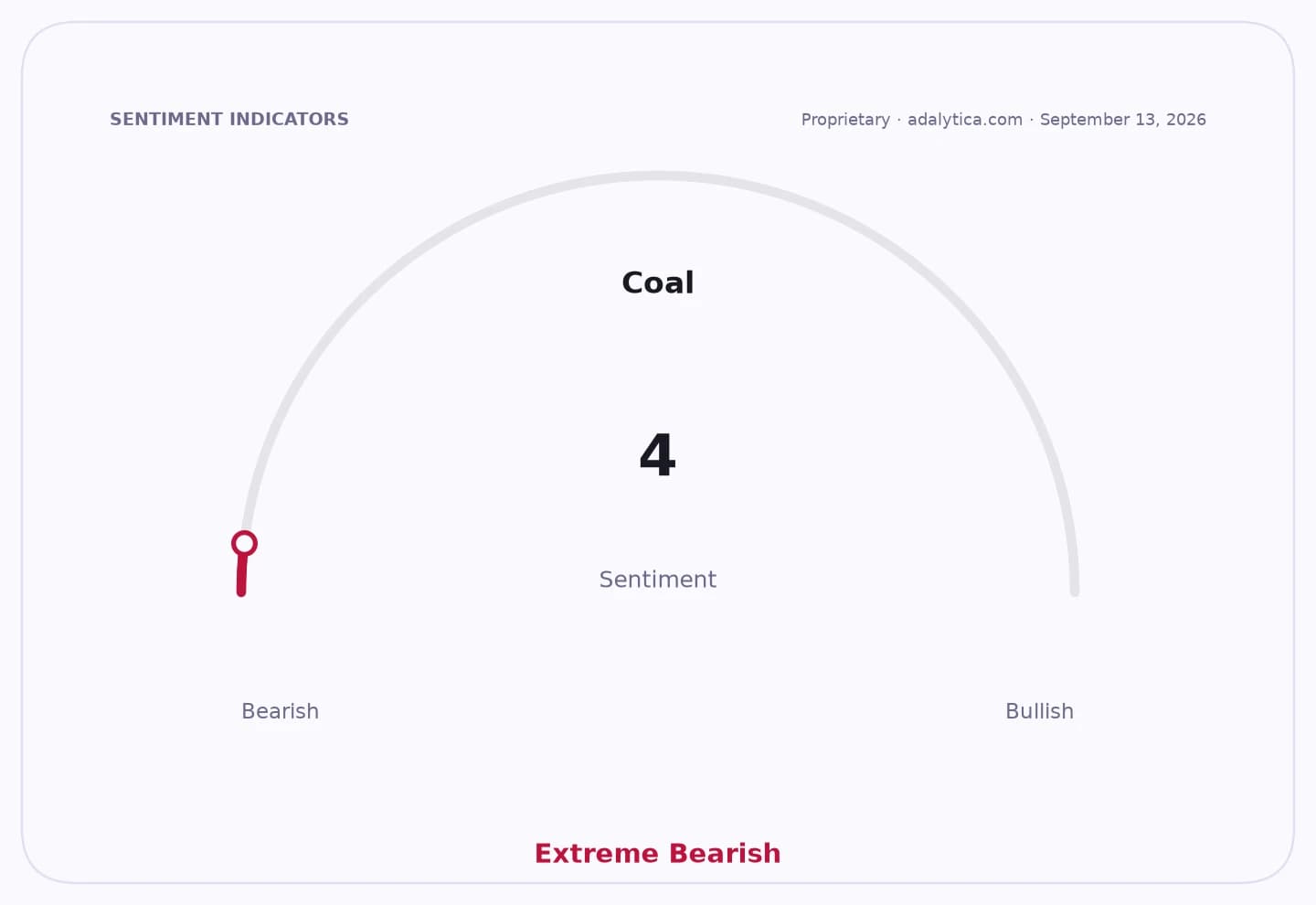
Sentiment IndicatorsⓘProprietary · adalytica.com · October 1, 2026
This is a snapshot — live sentiment, awareness and momentum for 130+ markets update continuously in the dashboard.Open AlphaPulse
That tension is exactly what makes JSW worth watching. Coal can still generate cash in the right market, and the broader coal complex has seen periods of strong sentiment — Adalytica’s Coal Fear & Greed Index shows “Extreme Greed” at 93 — but sentiment is not the same as durable profitability. JSW is being forced to monetize assets in a market that can swing quickly, which is a reminder that commodity producers often look healthiest at the top of the cycle and weakest when they most need flexibility.
The economics are simple. When a miner has to sell assets just to stabilize its financial position, the proceeds may buy time, but they do not fix the underlying business model. If operating costs, debt service, or weaker realized prices continue to outpace cash generation, asset sales become a bridge rather than a solution. That is a dangerous place for any industrial company to be, especially one exposed to a commodity where pricing can reverse fast.
For investors, the key question is not whether coal still has value — it does — but whether JSW can convert that value into sustainable free cash flow. The answer depends on production discipline, pricing, cost control and whether management can avoid further dilution of the core franchise. A company can survive a rough patch if it has enough balance-sheet strength and enough time. What it cannot do is rely indefinitely on disposals to mask a structurally weak earnings profile.
The broader narrative also matters. Coal remains economically important because energy systems still need reliable supply, and the market backdrop can improve sharply when fuel scarcity or power demand rises. But that same backdrop is why investors should be selective. The trade is cyclical, policy-sensitive and vulnerable to changing demand trends. JSW’s latest move looks less like a growth strategy and more like a defensive maneuver to keep the company upright while the cycle and the politics of coal do their work.
For long-term investors, that makes JSW a name to approach with caution. If you own it, the next few quarters will matter a lot more than any short-term bounce in coal prices. If you do not, this is the kind of situation that belongs on a watchlist, not in a hurry-to-buy portfolio, until there is clear evidence that asset sales are a supplement to real earnings power — not a substitute for it.
| Entity | Gains | Losses |
|---|---|---|
| JSW | ▲Near-term cash | ▼Core asset base |
| Coal sellers | ▲Better pricing windows | ▼Policy pressure |
| Energy buyers | ▲Supply security | ▼Higher input costs |
| Long-term investors | ▲Potential turnaround optionality | ▼Balance-sheet risk |