Europe is burning through natural gas in storage at a record pace just as winter demand begins, a sign the continent is entering the cold season with less room for error and higher odds of price volatility.
Europe gas storage withdrawals hit record pace
That matters because gas inventories are the shock absorber for Europe’s energy system. When withdrawals accelerate this early in the heating season, utilities, governments and industrial users have fewer buffers if temperatures fall further, pipeline flows tighten or geopolitical risks flare. The result is not just a seasonal headache — it is a direct threat to energy affordability and industrial competitiveness across the region.
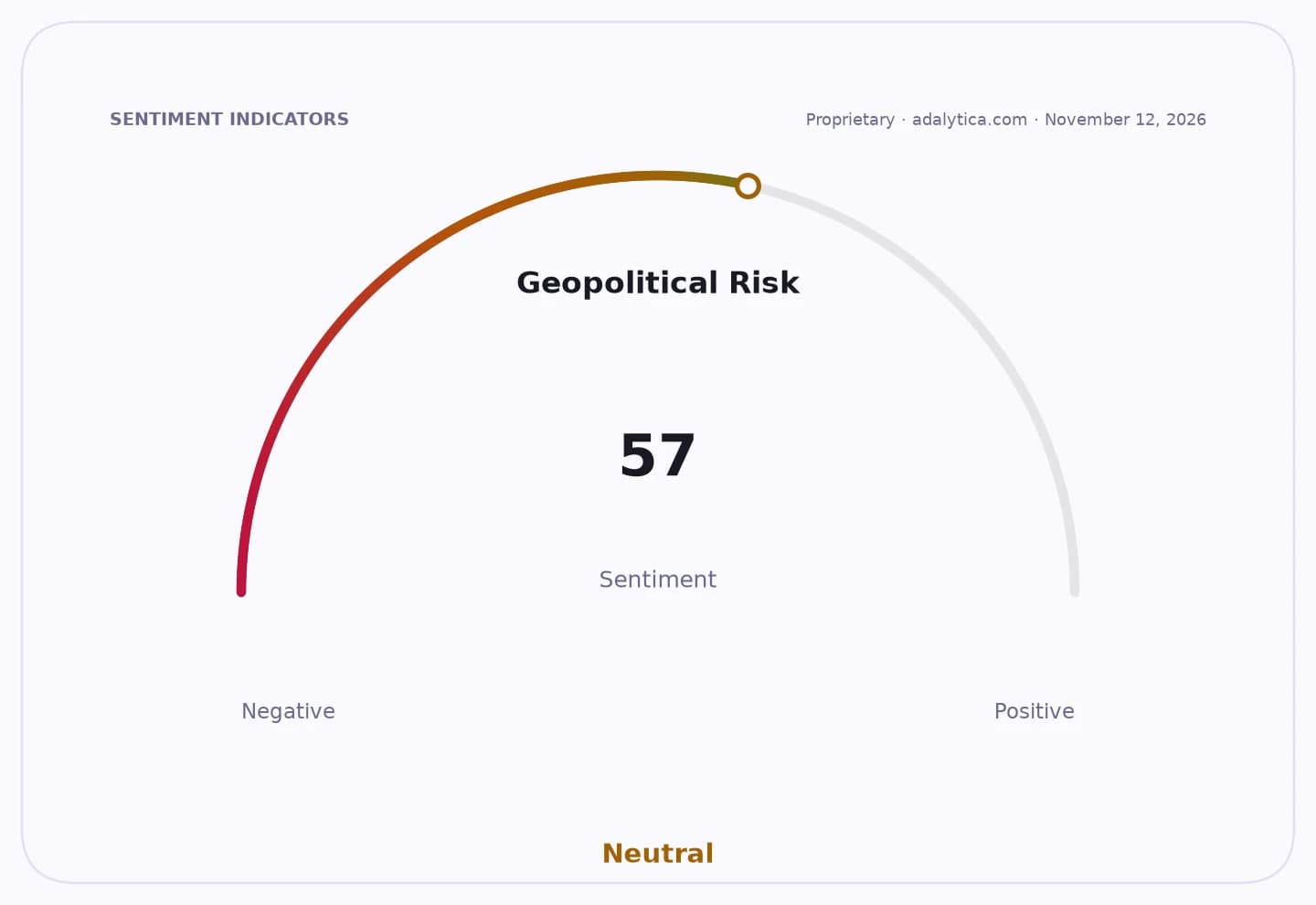
Sentiment Indicators
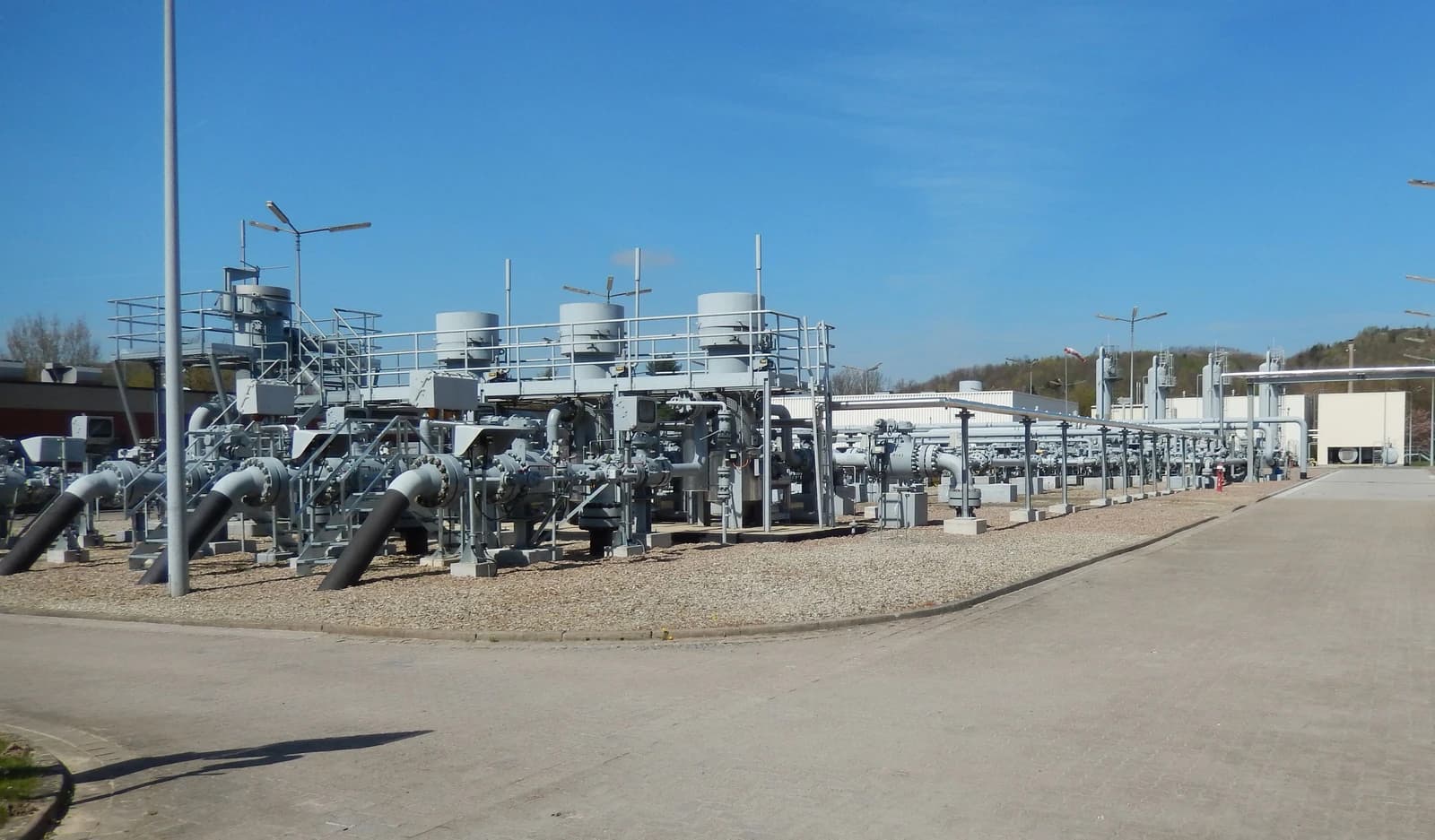
Gazprom said data from Gas Infrastructure Europe showed withdrawals from underground storage hit a historic high for Nov. 6, up 23.9% from the previous daily record, or about 83 million cubic meters more than the old peak. Germany, which has the bloc’s biggest storage capacity, has already seen fill levels slip below 60%, an unusually low reading for the first week of November. Across the continent, storage entered the withdrawal season at just 74.9% full, the weakest start on record.
That backdrop helps explain why European gas prices have pushed above $1,200 per 1,000 cubic meters, the highest level since December 2022. For investors, that is the part that matters most: tighter storage does not just hit household heating bills, it ripples through power markets, chemicals, metals and the broader cost base for European industry. If gas stays expensive, margins for energy-intensive companies stay under pressure, while suppliers, traders and LNG exporters remain the relative winners.
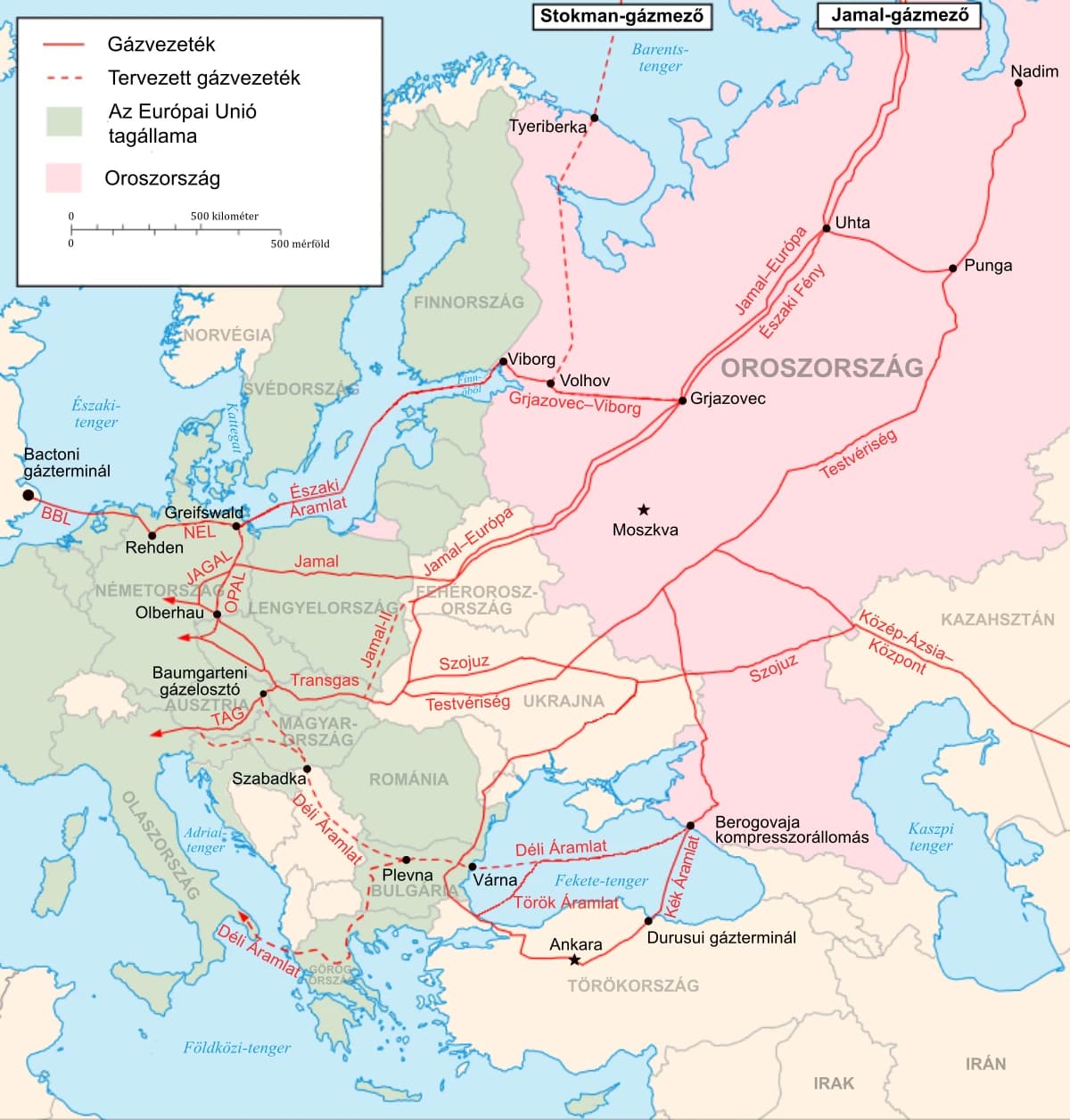
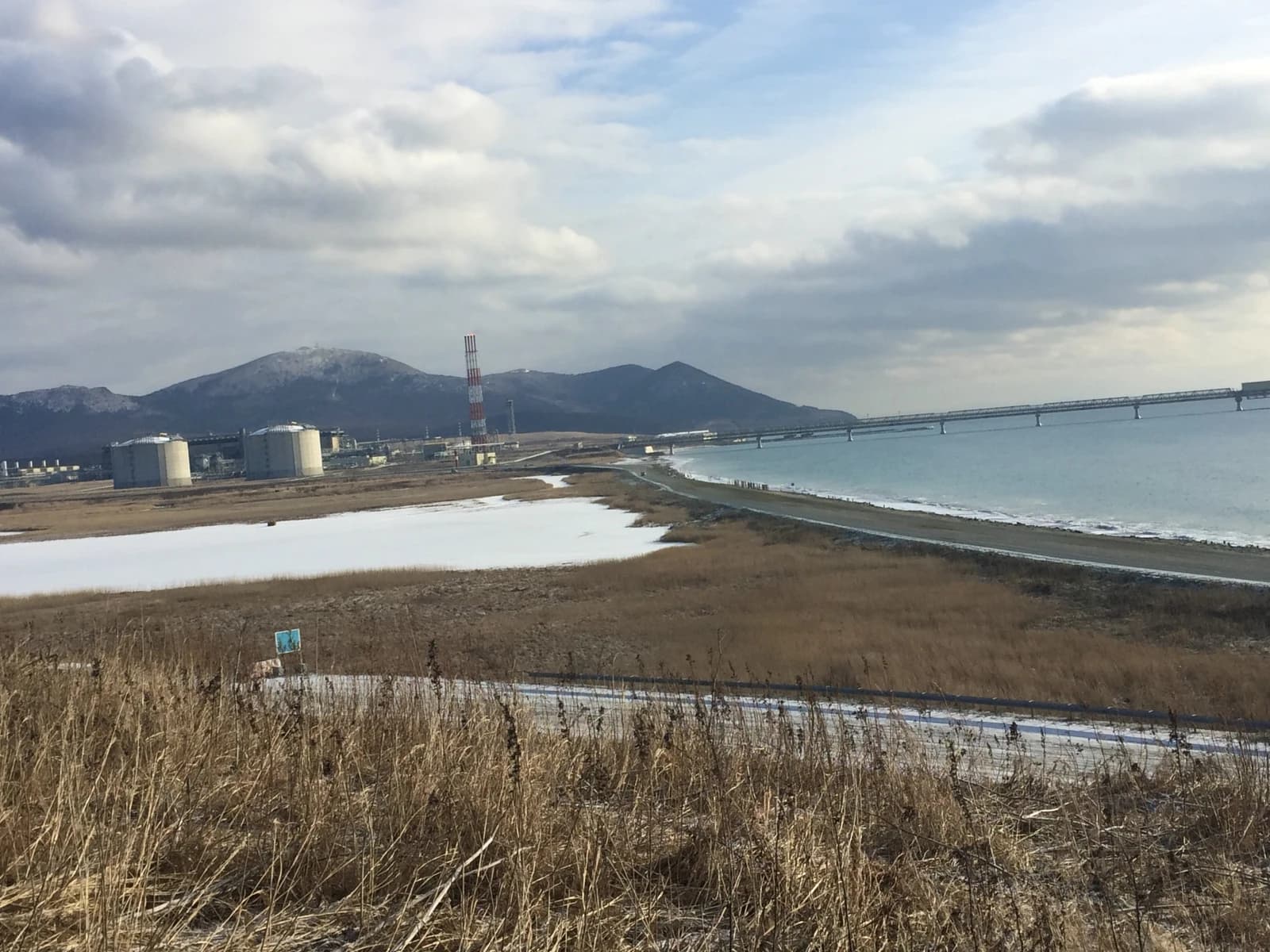
The strain is also feeding a broader reordering of Europe’s energy market. The European Union is moving ahead with a phased ban on Russian energy imports, including restrictions on LNG and pipeline gas under long-term and short-term contracts. That policy shift is designed to reduce dependence, but in the near term it leaves Europe leaning more heavily on global LNG cargoes and whatever it can pull from storage during the coldest months.
For long-term investors, the key takeaway is that Europe’s gas market remains structurally vulnerable even after the shock of the 2022 energy crisis faded from headlines. Low inventories, policy-driven supply changes and winter weather can still move prices fast. That makes the next few months important not just for utilities and commodity traders, but for anyone invested in European industry, energy infrastructure or LNG-linked companies. This is a market worth watching closely, and for patient investors, a reminder that energy security is becoming a durable investment theme.
| Entity | Gains | Losses |
|---|---|---|
| LNG exporters | ▲Higher spot demand | ▼Tighter supply optionality |
| European utilities | ▲Storage value, trading upside | ▼Winter procurement costs |
| Energy-intensive industries | ▲— | ▼Higher input costs |
| Russian pipeline/LNG suppliers | ▲— | ▼Loss of market access |