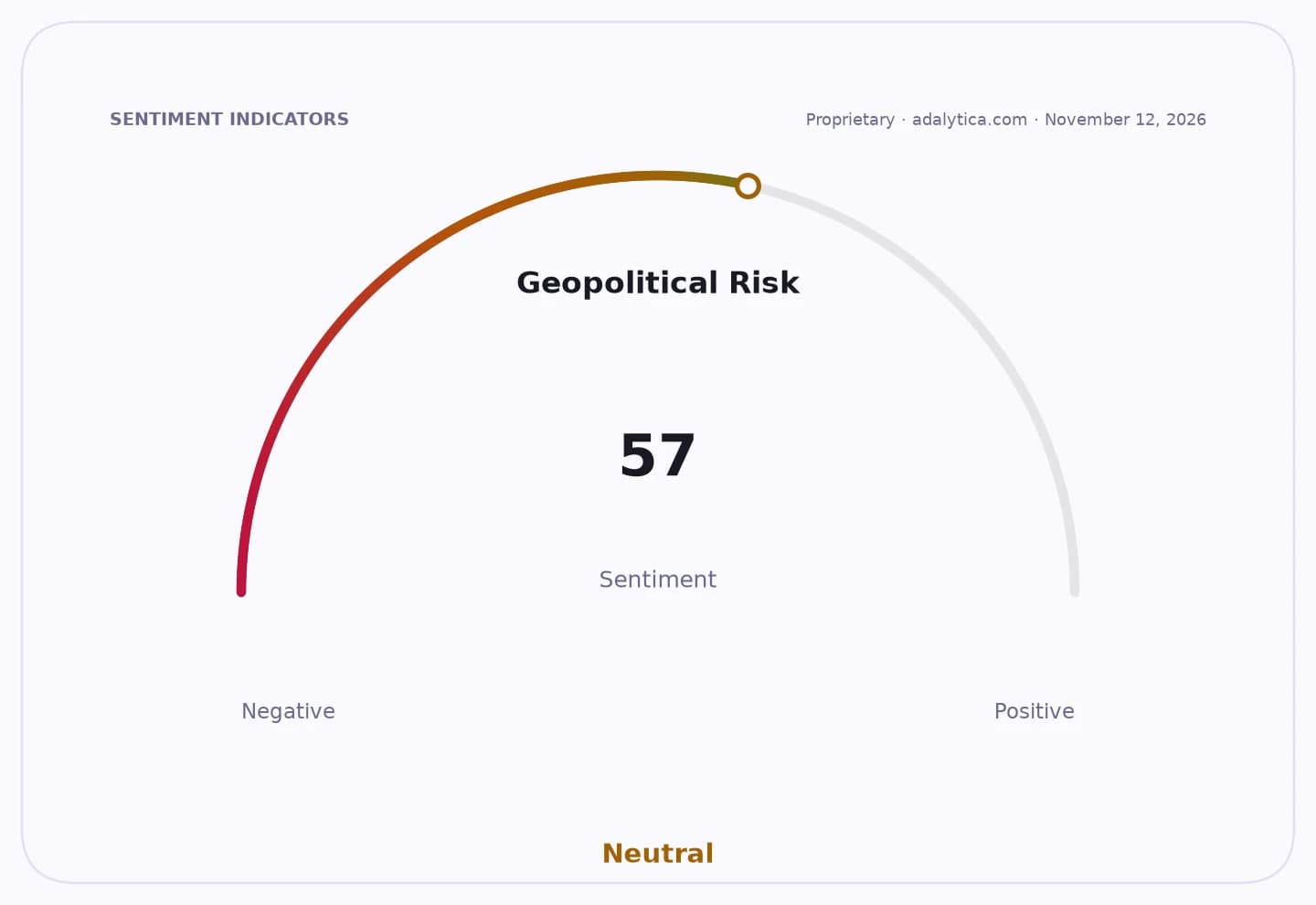
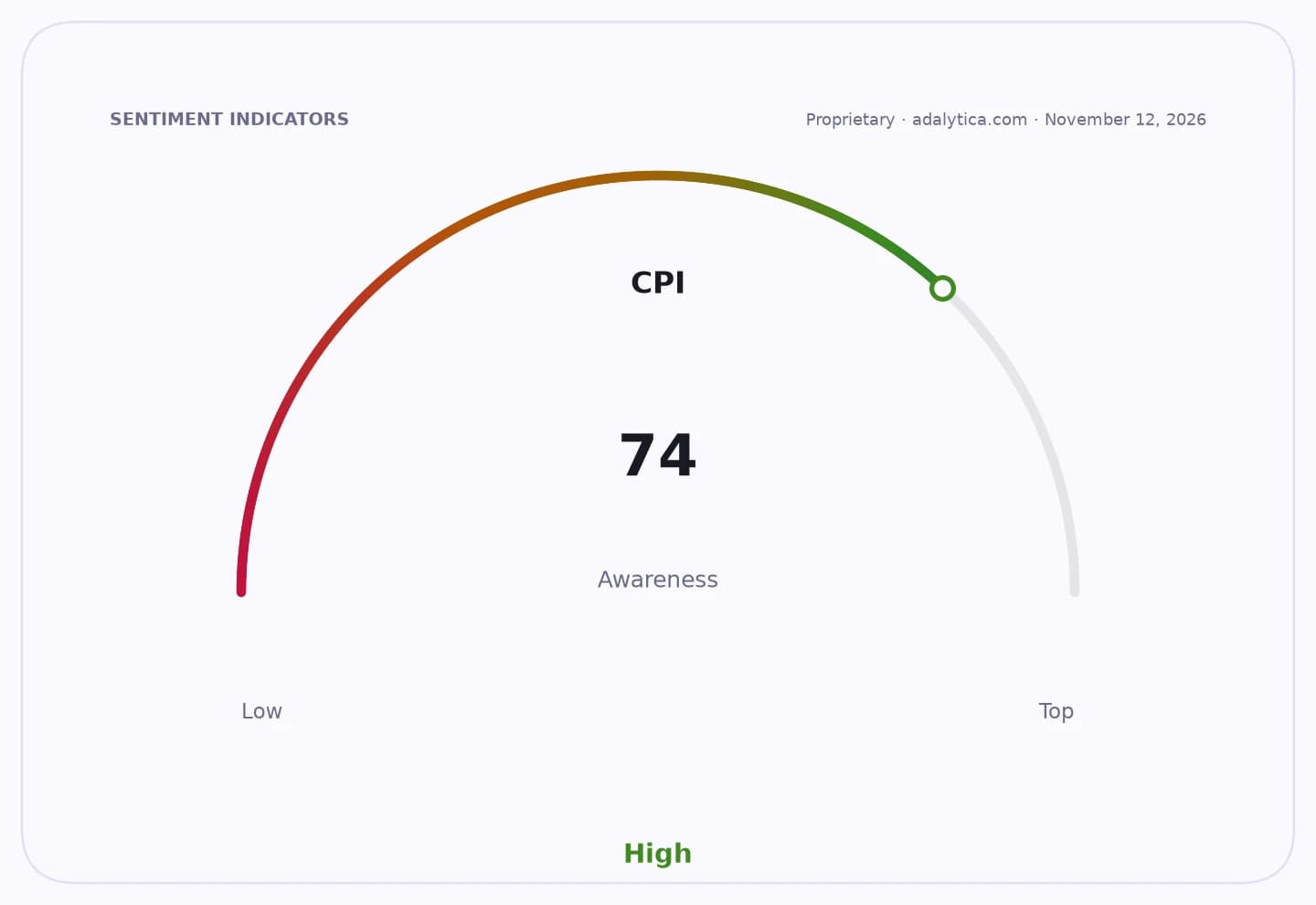
Europe’s surging gas and power prices are already starting to choke off demand, with large industrial users cutting consumption and chemicals producers among the first to feel the strain.
Europe Energy Prices Cut Industrial Demand
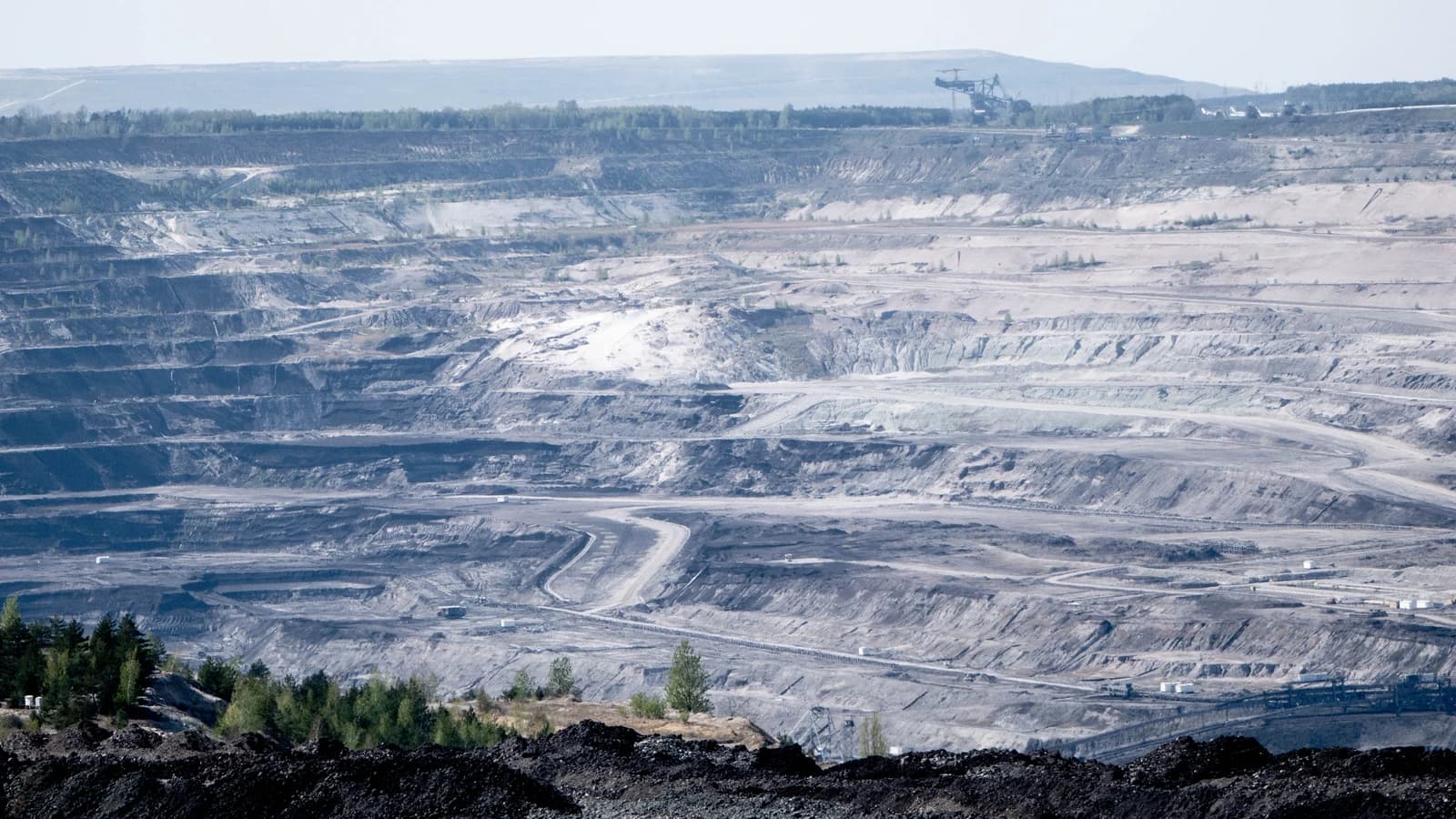
Engie finance chief Pierre-Francois Riolacci warned on Nov. 5 that higher energy costs were already visible in third-quarter volumes and are likely to keep suppressing gas and electricity use through the winter. That matters because Europe’s energy market is not just absorbing a price shock; it is beginning to destroy demand, a classic sign that the region’s economy is entering a more painful phase of adjustment.
Sentiment Indicators
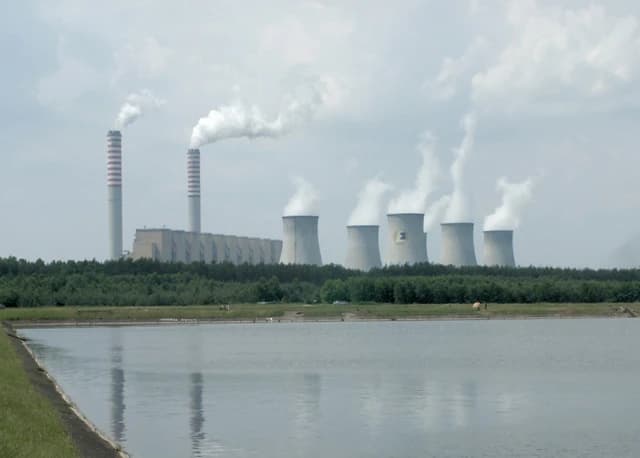
The squeeze has been driven by the conflict between the US and Iran, which has disrupted shipping through the Strait of Hormuz, a critical route for global oil and gas supplies. European gas and power prices have jumped sharply this year, reviving memories of the 2022-2023 energy crisis that followed Russia’s invasion of Ukraine. This time, however, the impact is arriving after several years of inflation and weak industrial margins, leaving many firms with less balance-sheet room to absorb another surge in input costs.
The earliest casualties are likely to be energy-intensive sectors with thin margins, especially chemicals. Those companies cannot easily pass through higher power and feedstock costs without losing customers, so lower utilization rates and production cuts become the default response. That is bad news for the broader European economy because industrial energy demand is a leading indicator for manufacturing output, freight activity and export volumes.
The market response has already reflected that tension. US-listed natural gas fund UNG remains below its 50-day moving average and 200-day moving average, while its recent rebound after a sharp selloff suggests choppy positioning rather than a clean bullish trend. Energy equities have held up better: XLE is still above both its 50-day and 200-day averages despite the latest pullback, while Shell’s shares have retreated from recent highs but remain well above their longer-term trend. That split points to a market that sees benefit for upstream producers, but growing risk that demand weakness will eventually cap the rally.
For investors, the key question is whether higher prices can stay high enough to support energy producers without pushing Europe’s industrial base deeper into contraction. Bullish investors will argue that geopolitical risk keeps supply tight and preserves pricing power for oil and gas majors. The bear case is that sustained demand destruction, especially from Europe’s factories, eventually overwhelms the supply shock and drags prices back down.
Engie’s warning suggests the balance is already shifting toward the latter. If winter is colder than expected, prices could spike again. But if industrial users keep scaling back consumption, Europe’s energy crisis may start to resemble a recessionary problem as much as an inflationary one, with exporters, utilities and fossil-fuel producers facing a more volatile 2026.
| Entity | Gains | Losses |
|---|---|---|
| Energy producers | ▲Higher realized prices | ▼Demand destruction risk |
| European industrial users | ▲— | ▼Higher input costs |
| Chemicals makers | ▲— | ▼Margins and output volumes |
| European consumers | ▲Lower near-term energy use | ▼Higher bills and weaker growth |