Germany’s gas storage levels have dropped below 60% for the first time this winter, underscoring how thin Europe’s main supply cushion has become just as the heating season begins.
Germany gas storage falls below 60% this winter
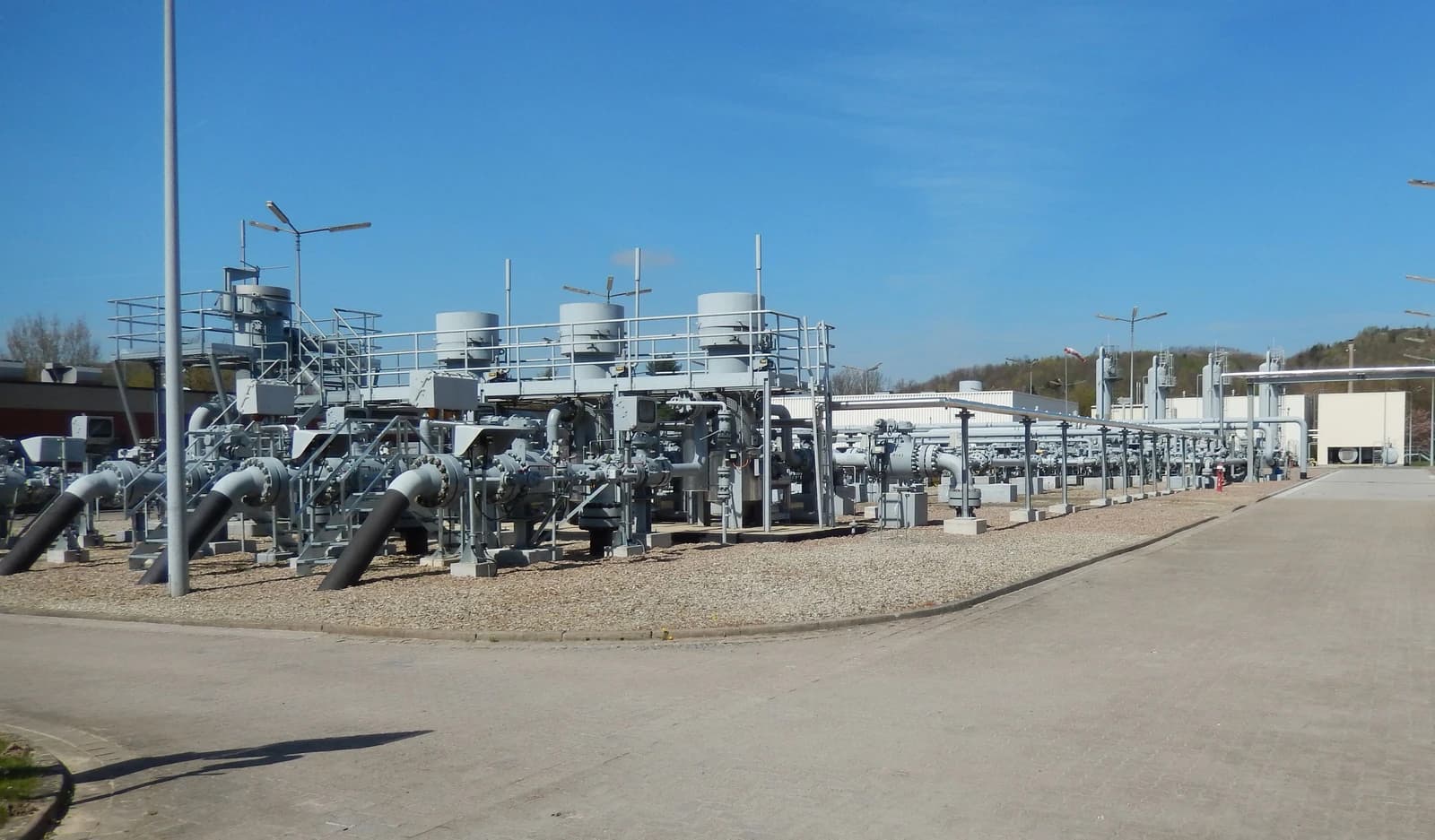
The decline matters because Germany holds Europe’s largest underground gas storage capacity and those stocks are the region’s first line of defence against cold snaps, supply disruptions and spot-market spikes. Gas infrastructure data cited by Gazprom showed withdrawals on Nov. 6 hit a new record for the date, running 58.7% above the previous high, a sign that demand is already leaning heavily on storage rather than pipeline flows or the spot LNG market.
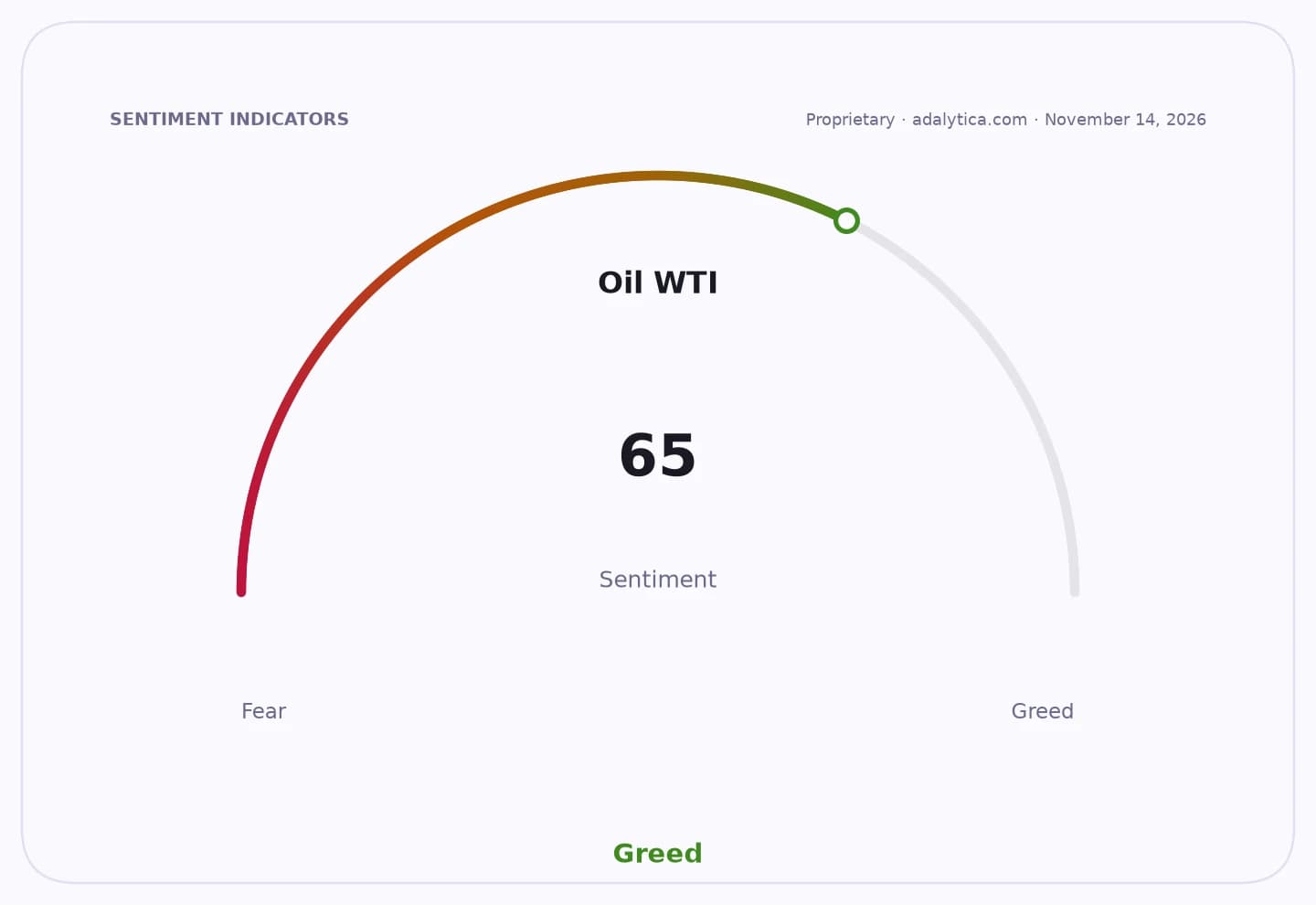
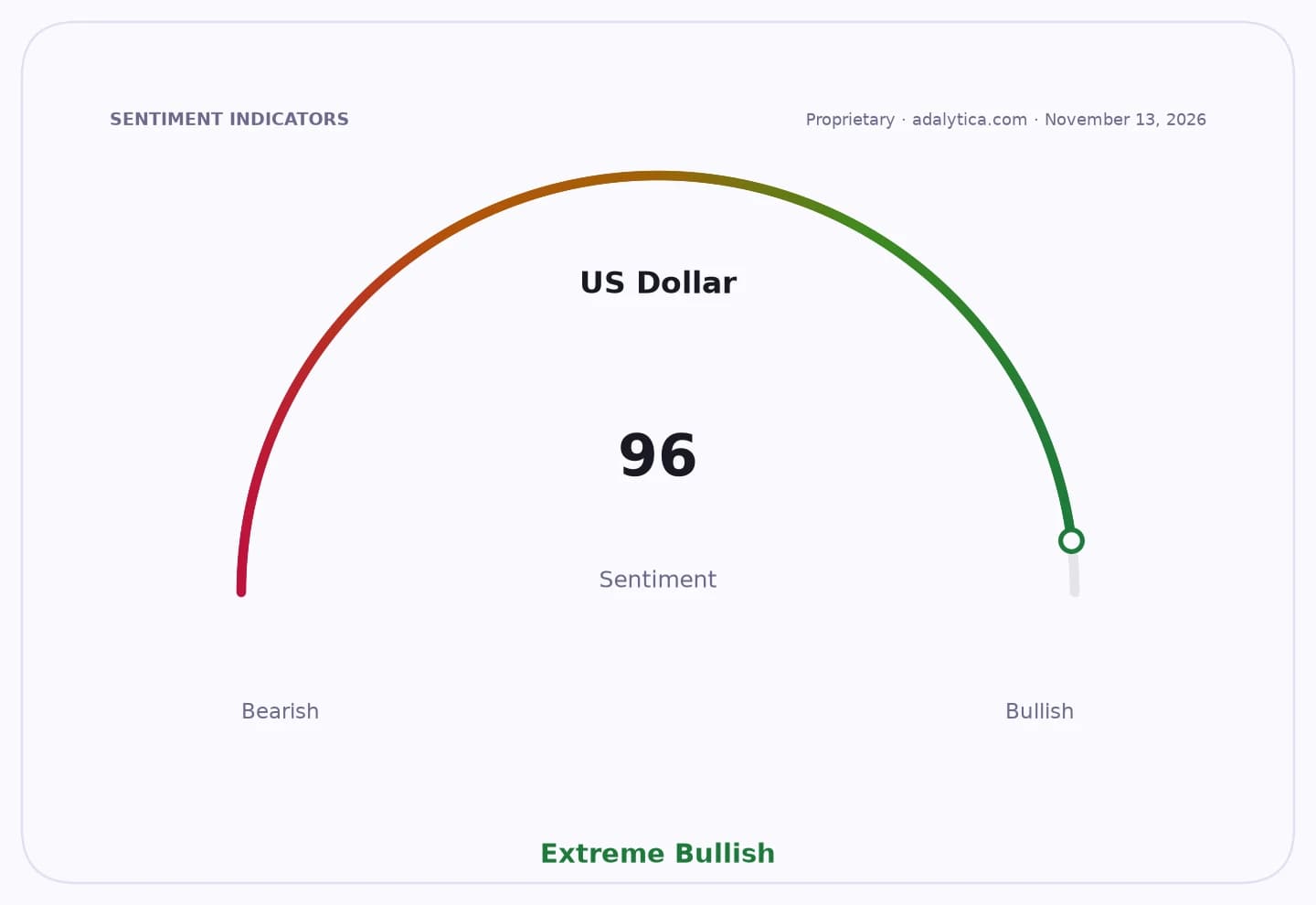
Sentiment Indicators
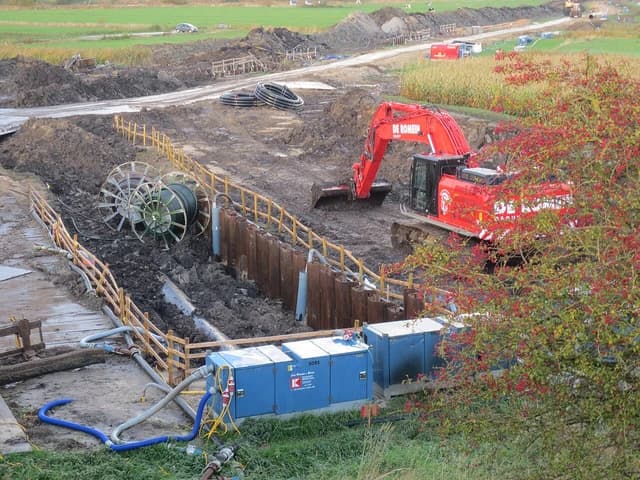
That puts a macro lens on an energy system that has been rebuilt since Europe cut Russian pipeline imports after 2022. Storage was meant to smooth winter consumption and prevent a repeat of the 2022 price shock. But when inventories start the season at historically low levels for early November, the market becomes more vulnerable to any combination of colder weather, weaker LNG deliveries or tighter competition for cargoes from Asia. The International Energy Agency has warned that supply strains could persist into 2027, keeping Europe exposed even after the acute crisis phase passed.
For investors, the immediate implication is a firmer floor under European gas prices and continued volatility across the energy complex. Utilities, industrial users and households face higher hedging costs if stocks keep falling quickly, while traders in gas-linked instruments, including UNG, are likely to stay sensitive to every storage update and weather shift. European energy shares, already supported by tighter supply expectations, may also remain bid if the market prices in a more prolonged storage deficit.
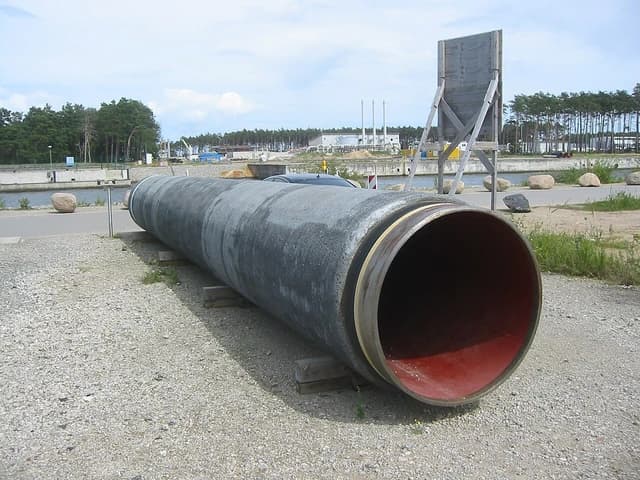
Germany’s move to establish strategic gas reserves, funded by an added household levy, shows policymakers are already treating low storage as a structural risk rather than a seasonal anomaly. The bullish case for the market is that disciplined policy and strong LNG imports can still replenish stocks before the deepest winter demand arrives. The bearish case is that Europe enters the colder months with less margin for error than usual, leaving prices, margins and energy security exposed to any further tightening in global supply.
| Entity | Gains | Losses |
|---|---|---|
| Gas traders | ▲Higher volatility | ▼Smaller safety buffer |
| LNG exporters | ▲Stronger Europe demand | ▼Tighter cargo availability |
| German utilities | ▲Strategic reserve support | ▼Higher procurement costs |
| Households and industry | ▲Energy security backstop | ▼Added levy and price risk |