Switzerland is being forced to tap emergency fuel reserves as low water on the Rhine and fragile transport links tighten supplies of kerosene and heating oil, raising the odds of a broader winter fuel squeeze that could ripple through households, airports and the domestic energy market.
Switzerland taps fuel reserves as Rhine water falls
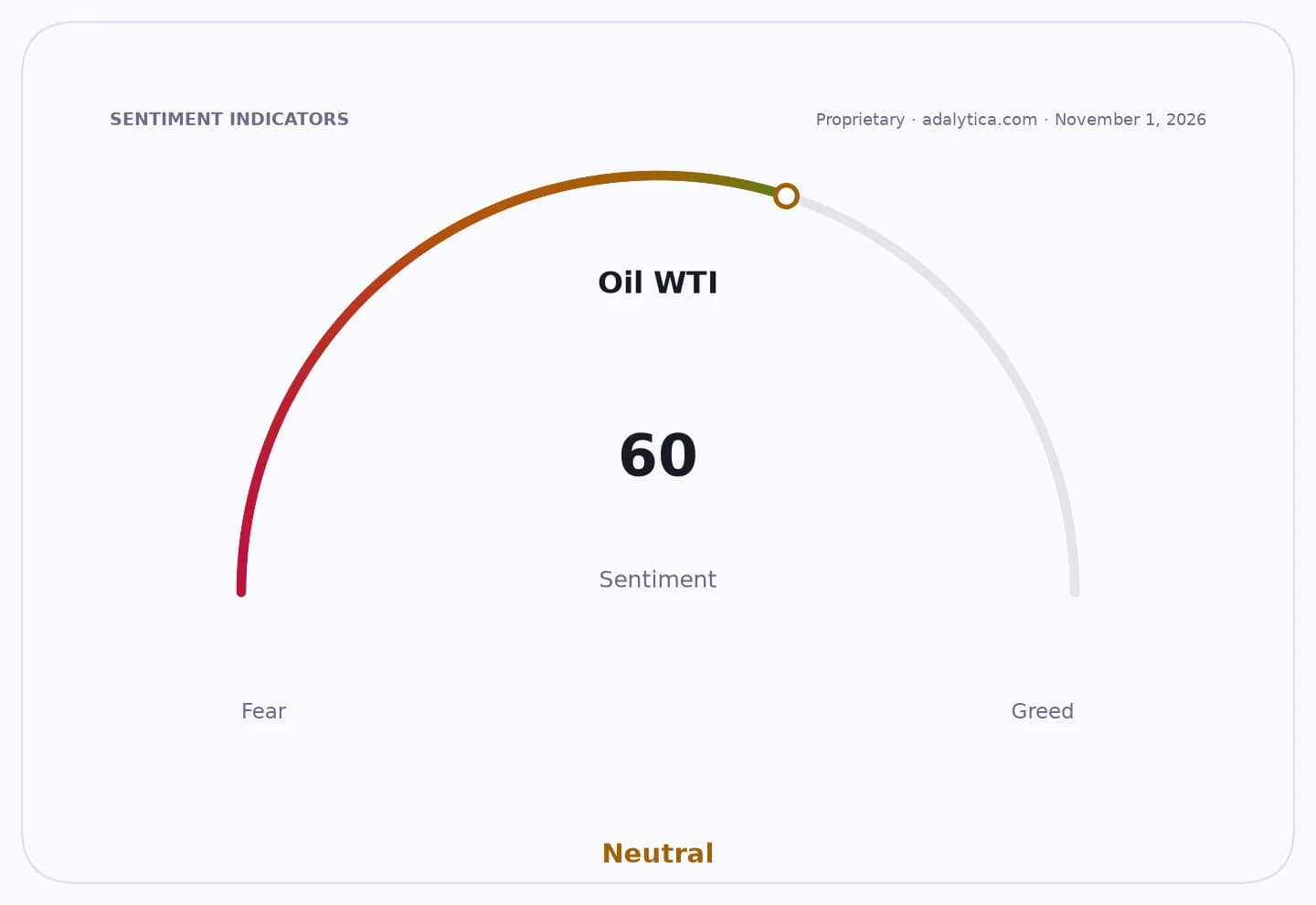
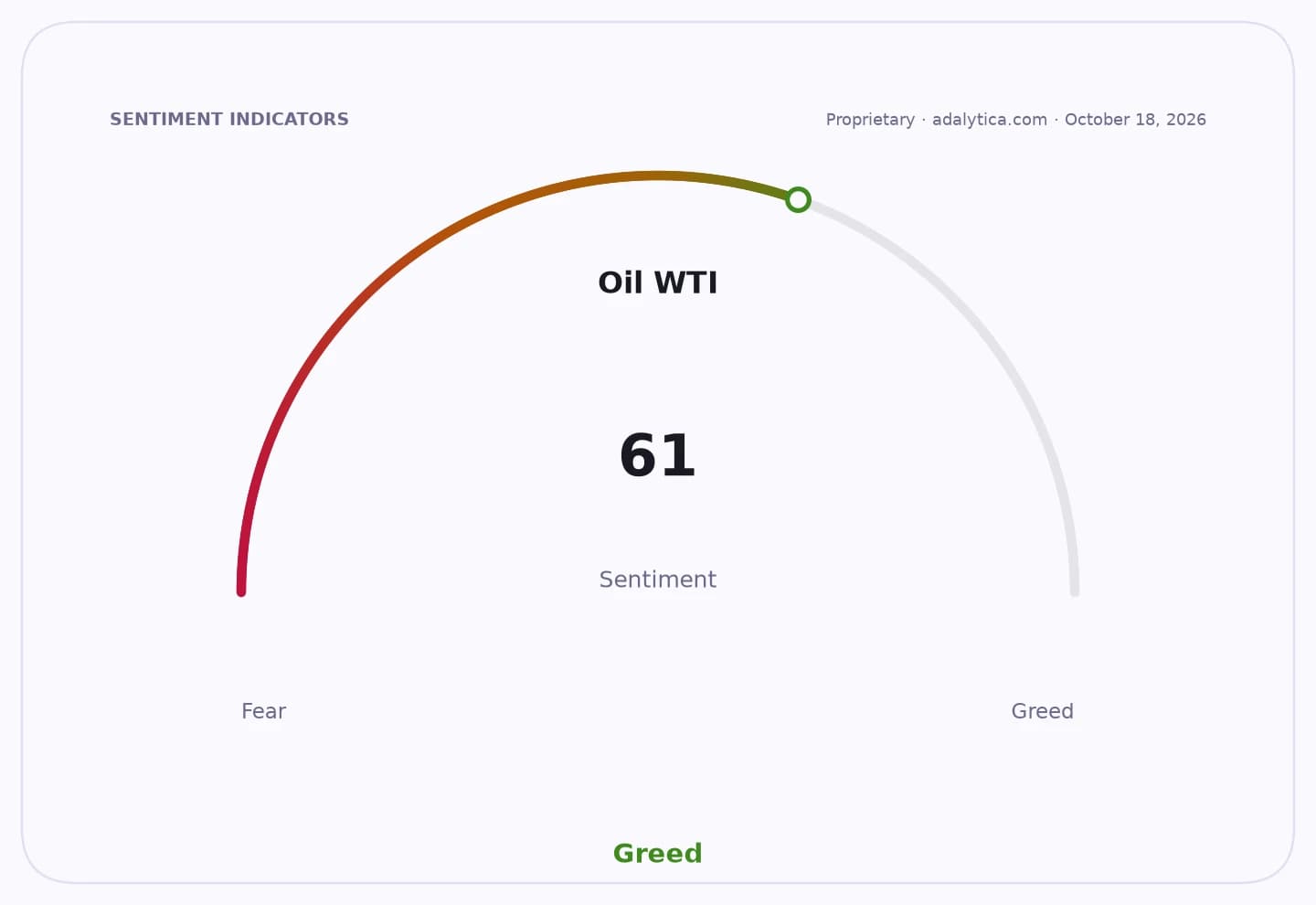
Oil WTI
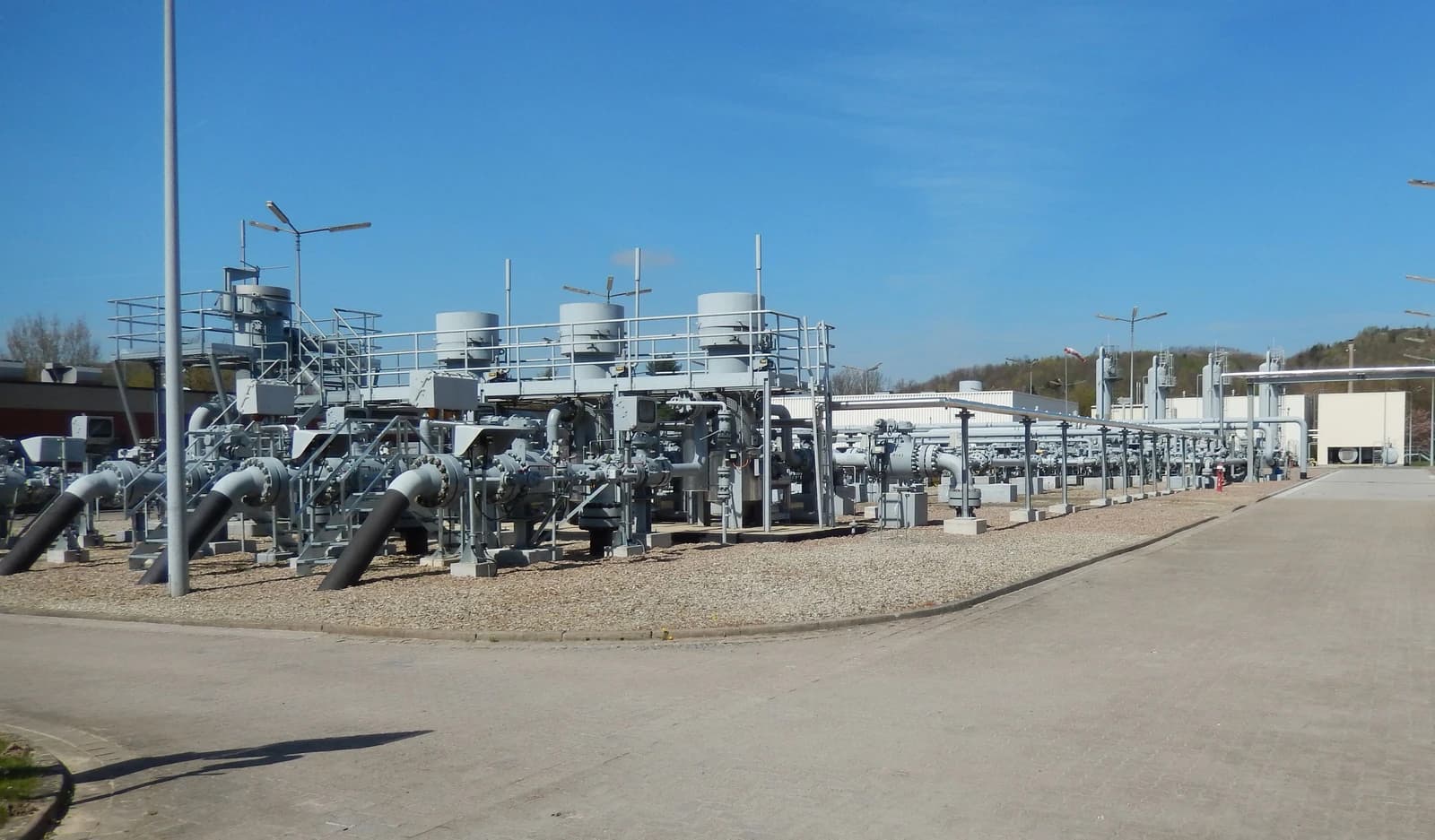
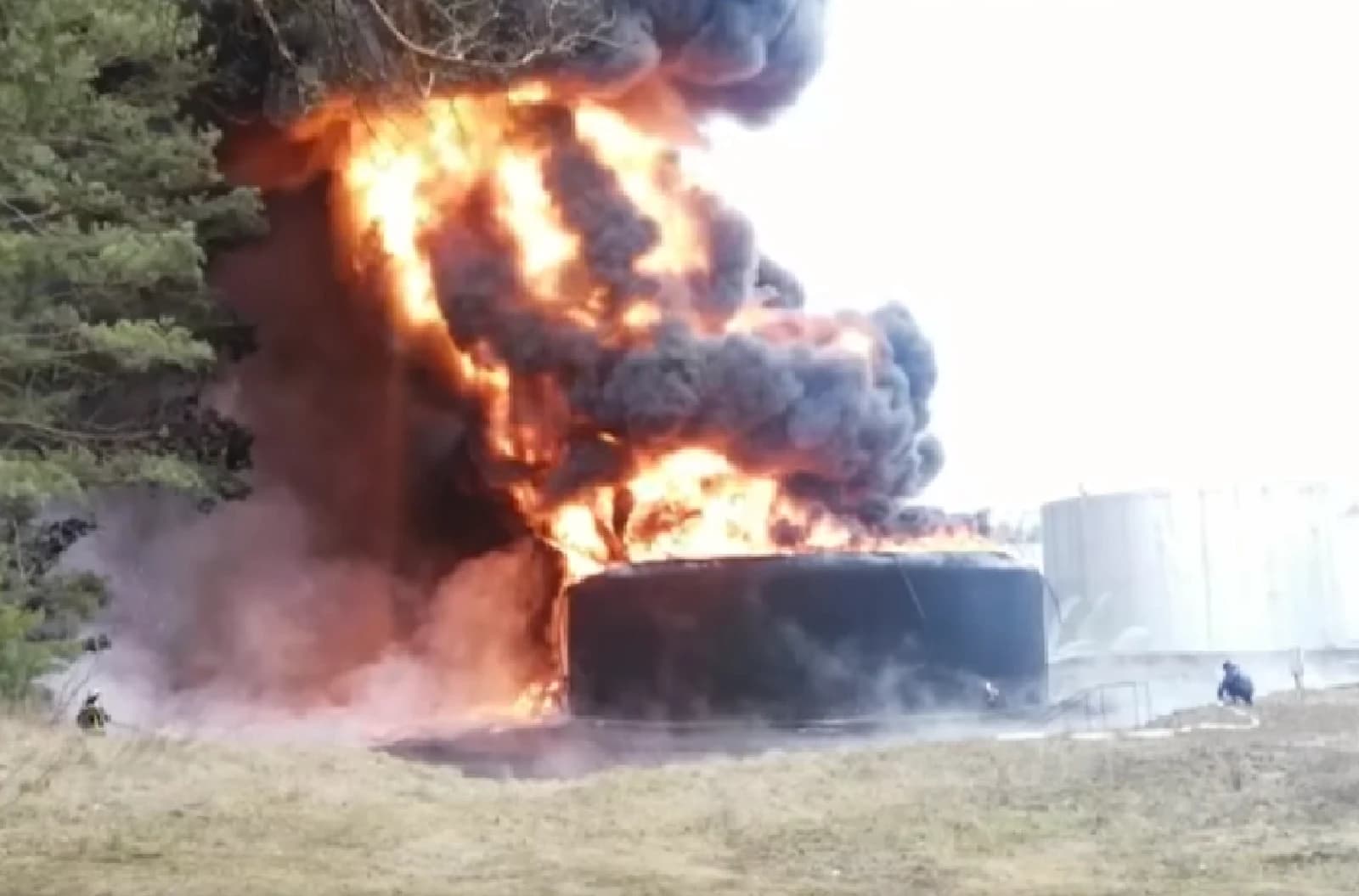
The most important development is that the federal government has already authorized releases from its mandatory mineral oil stocks four times since September, including this week for aviation fuel, and is now warning that heating oil is “very tense” as well. That matters because Switzerland’s reserve system is designed to bridge short-term gaps, not to compensate for a transport bottleneck that is persisting into the heating season. If import routes stay constrained and demand jumps as temperatures fall, the issue stops being a logistics problem and becomes an economic one: higher delivery costs, delayed household refills and potential pressure on consumer spending just as winter demand peaks.
Sentiment Indicators
The Rhine is the critical choke point. Barges carrying fuel are moving only partial loads, or not moving at all, because prolonged low water has cut carrying capacity. Importers are shifting volumes to rail and other routes, but those alternatives are also strained by capacity shortages in Germany, construction work and rail disruptions. In other words, Switzerland is facing a supply problem in which every backup option is itself constrained. That is why Andreas Flütsch, head of Migrol, says the industry may need to draw on heating oil reserves if demand surges in the coming weeks.
For investors, the story is less about Switzerland alone than about the broader winter energy trade. Heating oil and diesel prices are already reflecting higher freight and logistics costs, and the front-end market is vulnerable to any cold snap that triggers a scramble for deliveries. Adalytica’s oil trade snapshot shows sentiment on USO rebounding sharply even as awareness remains at “Extreme Fear,” a sign that the market is still under-positioned for supply shocks. Meanwhile, WTI futures have been volatile, with the benchmark still well below this year’s spike, leaving room for sharp moves if European fuel tightness feeds back into broader refined-product pricing.
The consumer side is just as important. Swiss households have held back on refills because heating oil prices have roughly doubled from the start of the year, leaving private tanks below their long-term average. That means the usual demand cushion may not exist. If colder weather arrives and more homeowners order at once, distributors could face a second bottleneck: not only getting product into the country, but getting it to customers fast enough. That could amplify price pressure and create localized shortages even if national reserves remain adequate on paper.
The government has not signaled a need to expand mandatory stocks, arguing the reserve system is meant to cover temporary gaps. But officials have already prepared contingency measures such as conservation appeals and lower speed limits on highways if the supply picture worsens. That is the key investment takeaway: the market should not dismiss this as a Swiss policy footnote. It is a live reminder that refined fuels remain vulnerable to transport shocks, and that winter demand can turn a manageable shortage into a price event. Energy traders, refiners and logistics-linked names remain the obvious beneficiaries if the squeeze deepens, while households and fuel distributors bear the immediate cost.
| Entity | Gains | Losses |
|---|---|---|
| Fuel refiners | ▲Higher product pricing | ▼Volatile demand |
| Logistics and rail operators | ▲More freight demand | ▼Capacity strain |
| Swiss reserve holders | ▲Greater strategic relevance | ▼Stock drawdowns |
| Households heating with oil | ▲None | ▼Higher heating bills |