U.S. motorists are still filling up despite gasoline prices near multiyear highs, a sign that the consumer has so far absorbed another energy shock without a clear pullback in driving or fuel use.
U.S. Gasoline Demand Holds Near High Prices
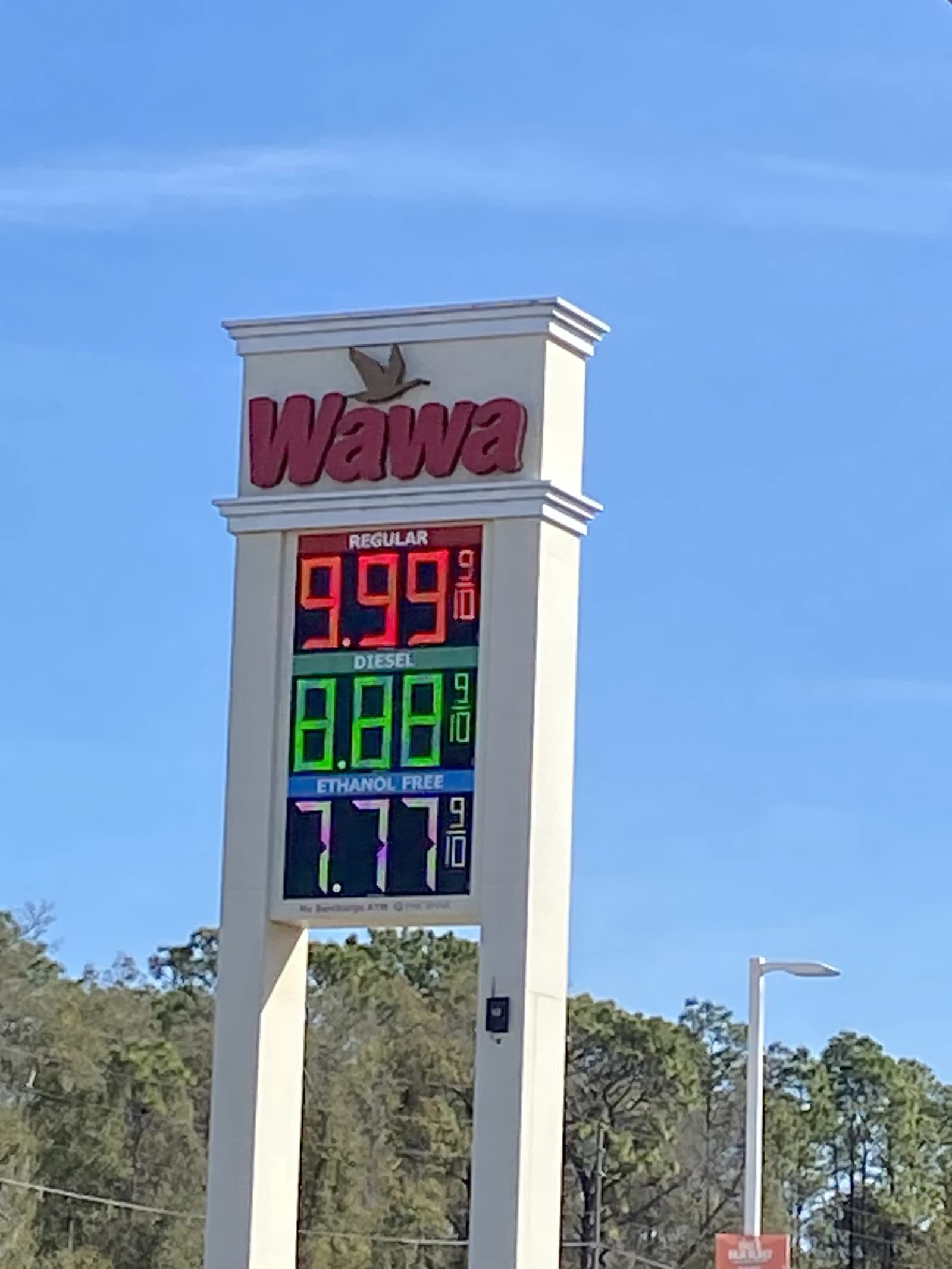
That matters because gasoline is one of the most visible tax-like costs on households, and its impact usually shows up quickly in discretionary spending, retail traffic and sentiment. Instead, the latest data suggest demand is holding even as AAA put the national average for regular unleaded at $3.42 a gallon, while crude and refined-product markets remain volatile after another jump in oil prices tied to Middle East supply concerns.
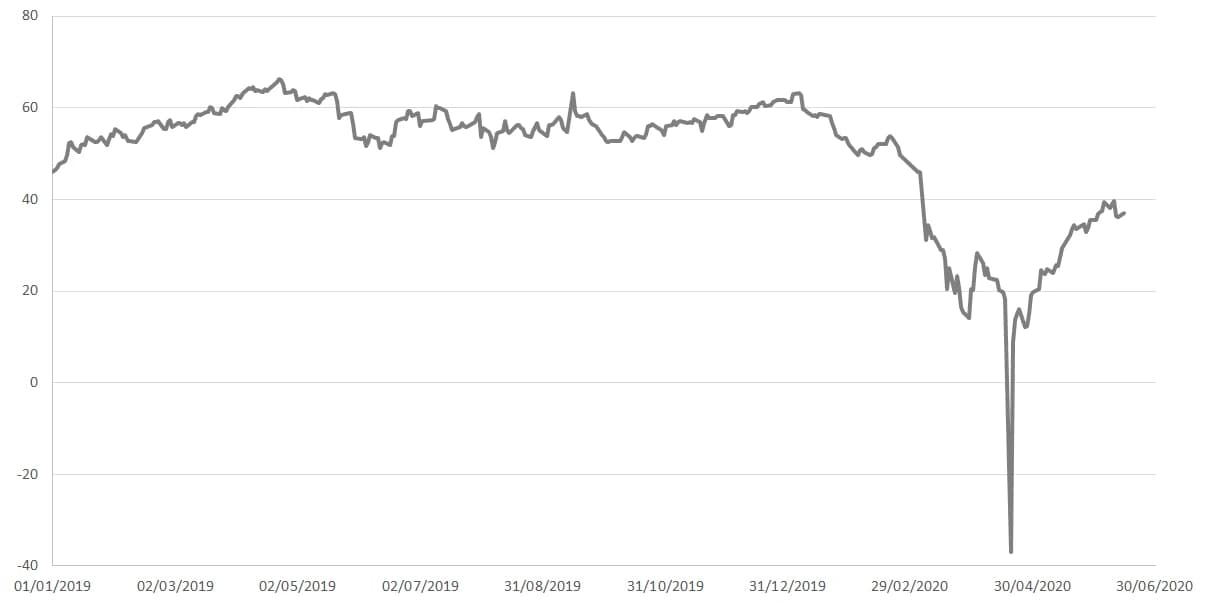
Sentiment Indicators
The resilience is economically important for two reasons. First, it implies that household balance sheets, while stretched, are still supporting travel and commuting patterns. Second, it suggests higher pump prices are not yet triggering the kind of broad demand destruction that typically forces refiners to discount output or slows fuel volumes. That helps explain why U.S. equities tied to energy have outperformed the broader market: the Energy Select Sector SPDR Fund, XLE, has climbed to $64.33 from $42.60 in December, while the UGA gasoline fund has remained elevated despite a recent pullback from above $150.
The market message is clearer when set against crude pricing. West Texas Intermediate fell to just under $100 a barrel on the latest prints after spiking to $109.72 only days earlier, underscoring how quickly the supply backdrop can tighten and then ease. That volatility typically feeds through to retail fuel prices with a lag, keeping pressure on consumers even when crude retreats.
So far, though, the demand side has looked more durable than feared. That is supportive for refiners and integrated oil companies, whose margins tend to benefit when product prices stay firm and volumes do not collapse. It is less encouraging for households, though the lack of an immediate demand response may also reflect the lagged nature of gasoline consumption, the essential role of driving in the U.S. economy and the fact that some consumers have been leaning on savings and credit to keep spending.
For investors, the key question is whether this is resilience or delay. A sustained move in gasoline prices above current levels could still bite into consumer discretionary spending, pressure lower-income households and eventually slow travel demand. But for now, the evidence argues that the pump-price shock is being absorbed rather than transmitted immediately into weaker consumption. That keeps the energy trade supported and leaves consumer stocks more exposed if fuel costs remain elevated into the next reporting cycle.
| Entity | Gains | Losses |
|---|---|---|
| Oil refiners | ▲Wider product margins | ▼Price-sensitive demand if fuel stays high |
| Integrated energy producers | ▲Higher realized crude prices | ▼Political pressure on fuel affordability |
| U.S. consumers | ▲Stable access to fuel | ▼More household budget strain |
| Consumer discretionary retailers | ▲No immediate demand collapse | ▼Later spending squeeze if gasoline stays elevated |