Ohio drivers have one clear answer this weekend: Butler County, where a Costco in Liberty Township is selling regular gasoline for $3.42 a gallon, far below the state average of $4.42 and even the national average of $4.29.
Ohio Gas Prices: Costco in Liberty Township at $3.42
That gap matters because gas is still one of the most visible inputs in the household budget. A $1-a-gallon difference adds up quickly for commuters, small businesses and anyone making regular highway trips, especially with prices running 124.2 cents higher than a year ago. When fuel costs stay elevated, they act like a tax on spending, leaving less money for restaurants, retail and other discretionary purchases.
Sentiment Indicators
The cheapest prices in the region are clustered around warehouse clubs and a few discount retailers. In Dayton, Buc-ee’s in Huber Heights lists gas at $3.79, followed by several Casey’s locations in the $3.82 to $3.99 range. In Butler County, Costco’s $3.42 stands out as the low end, while most other stations in Hamilton and West Chester are closer to $3.89 to $3.99. Springfield is pricier overall, with the lowest listed stop at Marathon on Springfield-Xenia Road at $4.07 and several stations at $4.29 or higher.
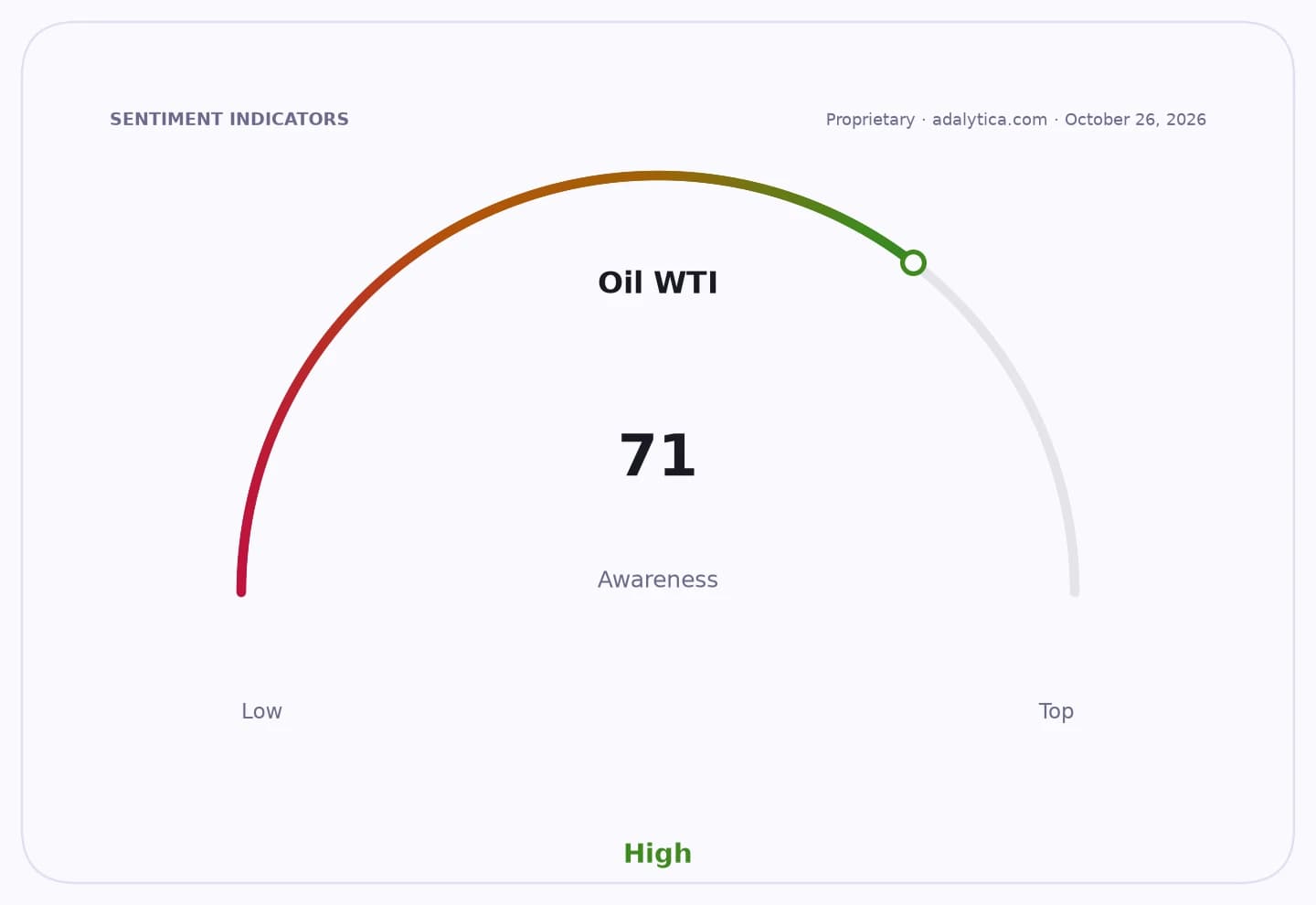
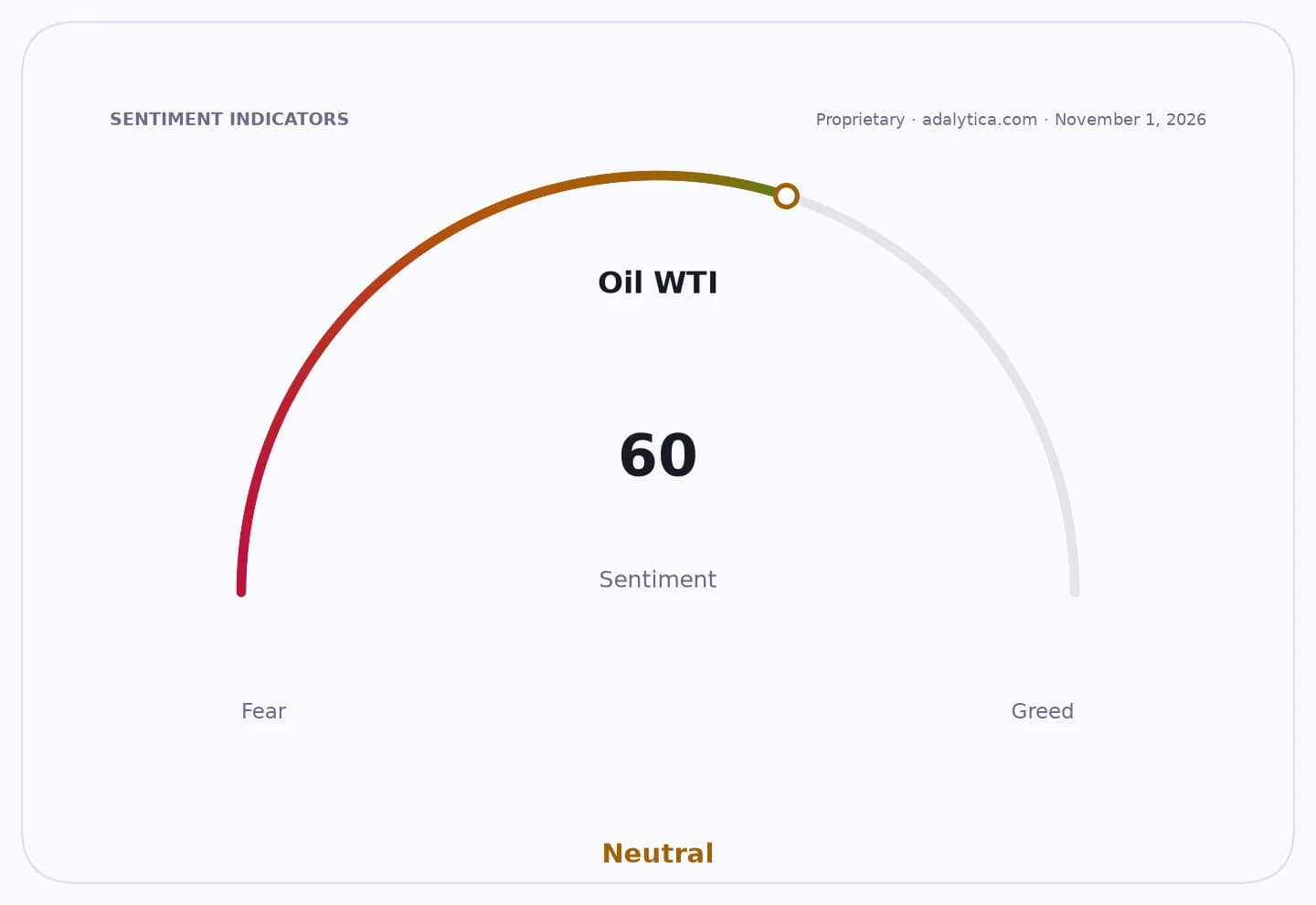
The bigger story behind those local signs is a broader energy market that remains stubbornly expensive. Crude oil prices have been volatile, and the USO oil fund — which tracks oil prices and is trading with its own conventional technical indicators pointing to an overbought market, including a 50-day moving average well below recent closes and a high RSI reading — suggests investors are still pricing in tight supply and geopolitical risk. Adalytica’s Oil WTI Trade Signals snapshot also shows neutral sentiment but elevated recent attention, underscoring how sensitive the market remains to headlines.
For investors, expensive gasoline is a mixed bag. It can support earnings for integrated oil producers and fuel retailers, but it also squeezes consumers and raises inflation pressure. That makes the Federal Reserve’s job harder and keeps some pressure on rate-sensitive parts of the market. In other words, high pump prices can be good for energy stocks, but they are rarely good for the broader economy.
For now, the practical takeaway for drivers is simple: shop around, and if you live near Liberty Township, that $3.42 Costco price is the one to beat. For investors, the longer-term lesson is that fuel markets still matter, because what happens at the pump can ripple through consumer spending, inflation and corporate profits. Worth watching.
| Entity | Gains | Losses |
|---|---|---|
| Costco, Buc-ee’s, Casey’s | ▲Price-sensitive drivers | ▼Higher-priced stations |
| Ohio motorists | ▲Lowest local fuel bills | ▼Commuters at premium pumps |
| Oil producers and refiners | ▲Stronger fuel margins | ▼Consumers and retailers reliant on spending |
| Broader economy | ▲None immediate | ▼Household budgets, discretionary spending |