Electricity prices across Europe are rising as weaker wind and solar generation forces utilities and grid operators to lean more heavily on gas-fired backup power, highlighting how quickly the region’s power market can tighten when renewable output falls.
Europe Power Prices Rise on Weak Wind and Solar
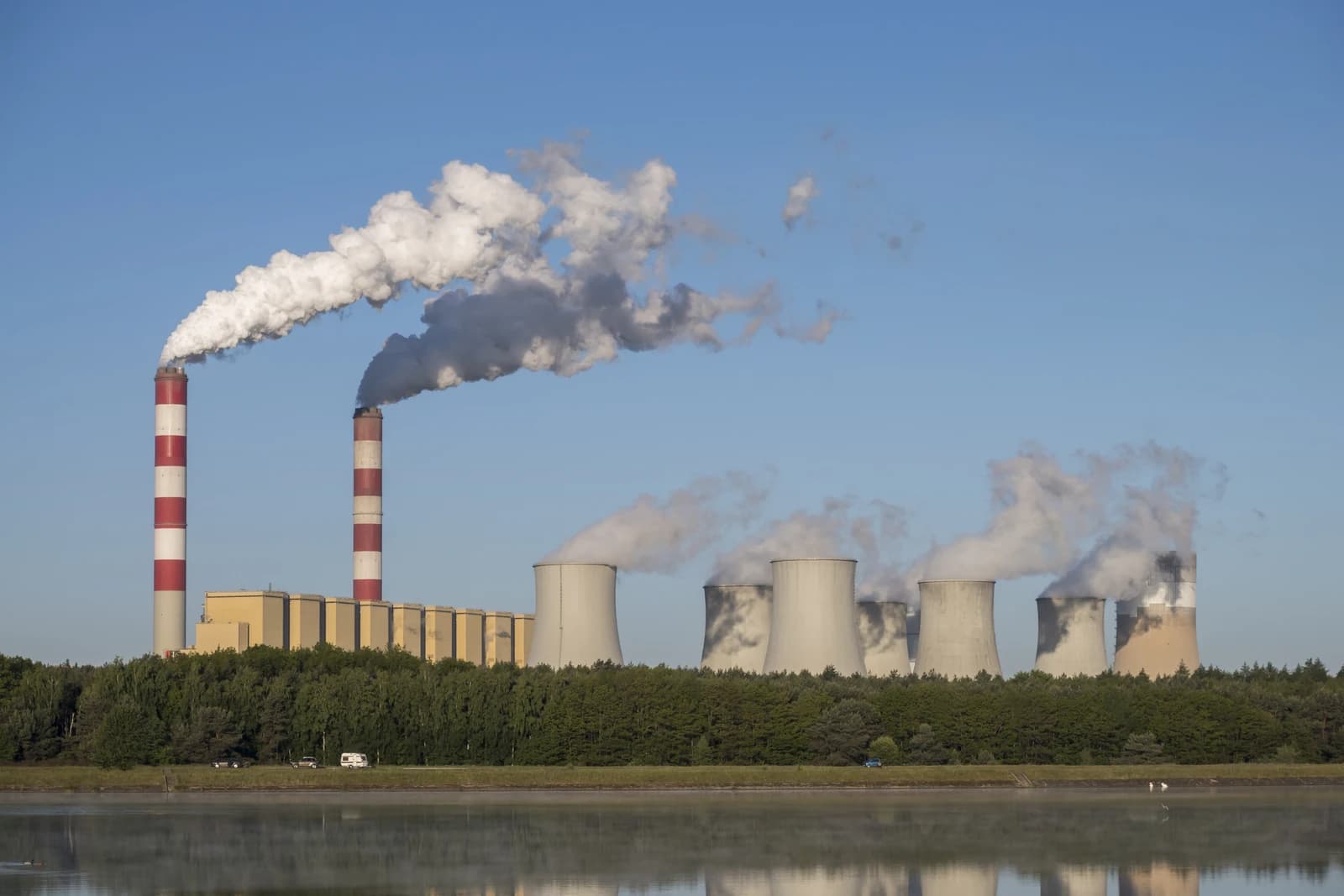
The immediate economic impact is straightforward: when weather-dependent generation drops, the marginal cost of supplying power jumps. That matters in Europe because wholesale power prices feed directly into industrial costs, household bills and the profitability of energy-intensive sectors such as chemicals, metals and manufacturing. It also underlines the region’s dependence on flexible thermal generation and imported fuel when renewables underperform.
Sentiment Indicators
The backdrop is a power system still in transition. Europe has spent years expanding wind and solar capacity to reduce exposure to fossil fuels, but intermittency means output can swing sharply from one period to the next. When that happens, gas and sometimes coal plants move back into the pricing set, lifting benchmark electricity costs even if fuel markets themselves are not surging as violently as during the 2022 energy crisis.
For investors, the mix is constructive for conventional power producers and utilities with dispatchable generation, but less favorable for retailers, large consumers and renewable developers facing pressure on merchant power pricing. Higher electricity prices can improve realized returns for generators with backup capacity, while also boosting the value of flexibility, storage and balancing services. At the same time, sustained price spikes can weaken demand, accelerate hedging activity and revive political pressure for intervention.
The market signal is not limited to Europe’s utility names. In the U.S., solar stocks have been volatile, with Enphase Energy and SolarEdge Technologies both trading far below earlier 2026 peaks, while First Solar has also retraced from its highs. The broader sector is already contending with demand softness, policy uncertainty and financing pressure. In that context, Europe’s higher power prices may improve the long-term economics of renewables, but they also remind investors that the path to lower-carbon electricity is likely to remain bumpy and highly weather-sensitive.
That leaves the near-term trade-off clear: Europe’s power market is being repriced by a shortage of wind and solar output, but the beneficiaries are those able to provide reliable capacity when the weather does not cooperate. The key catalyst from here will be whether renewable generation normalizes or whether another stretch of weak output keeps wholesale electricity expensive into the winter.
| Entity | Gains | Losses |
|---|---|---|
| Gas-fired generators | ▲Higher dispatch demand | ▼Lower renewable competition |
| Utilities with flexible capacity | ▲Better merchant margins | ▼Volatility in fuel costs |
| Heavy industry | ▲Short-term hedging opportunities | ▼Higher electricity bills |
| Wind and solar developers | ▲Long-run value of clean capacity | ▼Near-term price pressure |