Germany is heading into the heating season with gas storage only about 60% full, a level that leaves Europe’s biggest economy more exposed to cold weather, supply shocks and higher utility bills just as households and industry are least able to absorb them.
Germany Gas Storage Near 60% Before Winter
That matters because gas storage is still Europe’s main buffer against winter demand spikes. With inventories below the comfort zone reached in recent mild years, any extended cold snap would force buyers back into the spot market, where prices can move quickly and power costs tend to follow. The economic risk is not just higher household heating bills; it is also a renewed squeeze on manufacturers that rely on gas for heat, feedstock and electricity, especially in Germany’s energy-intensive industrial base.
Sentiment Indicators
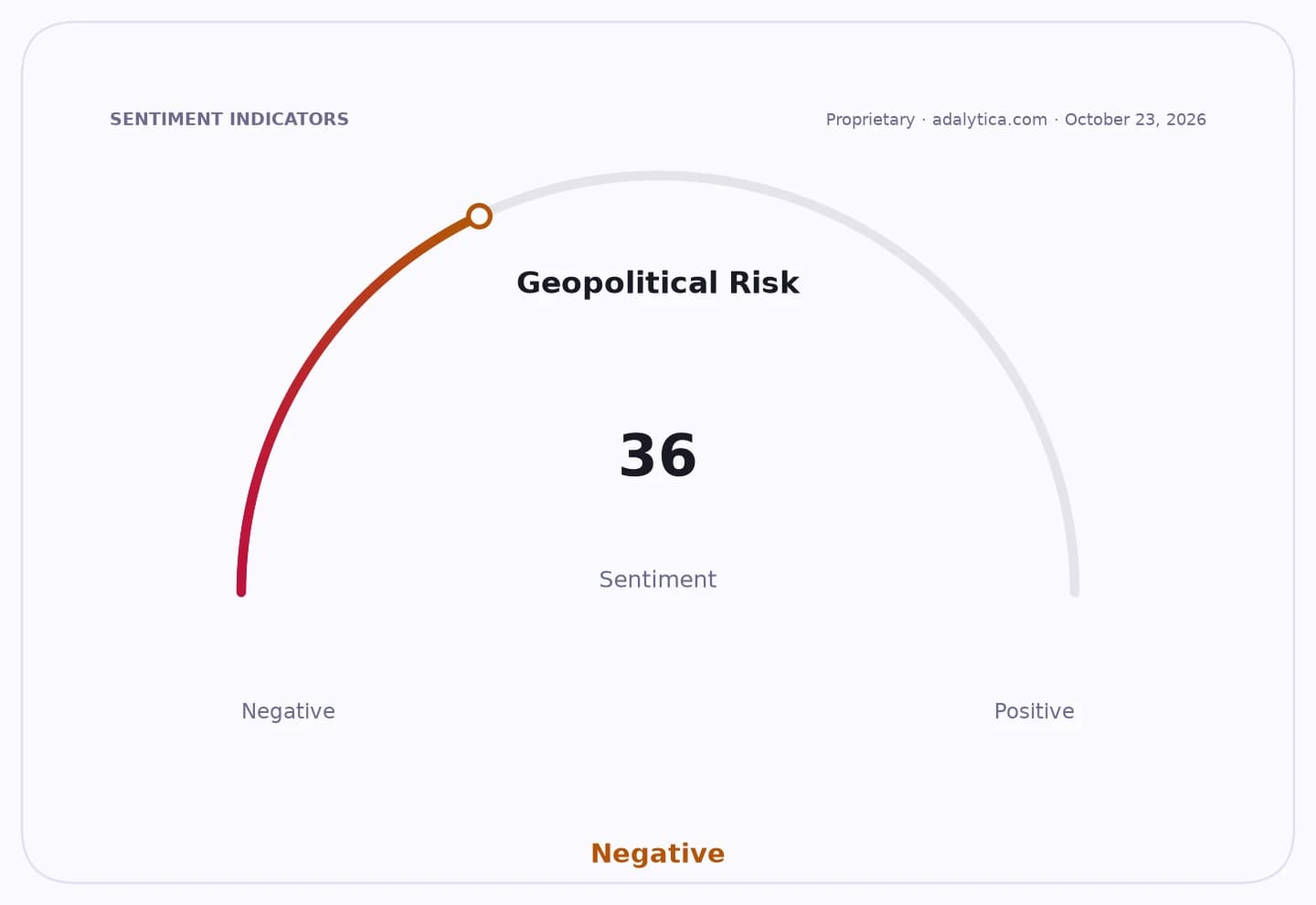
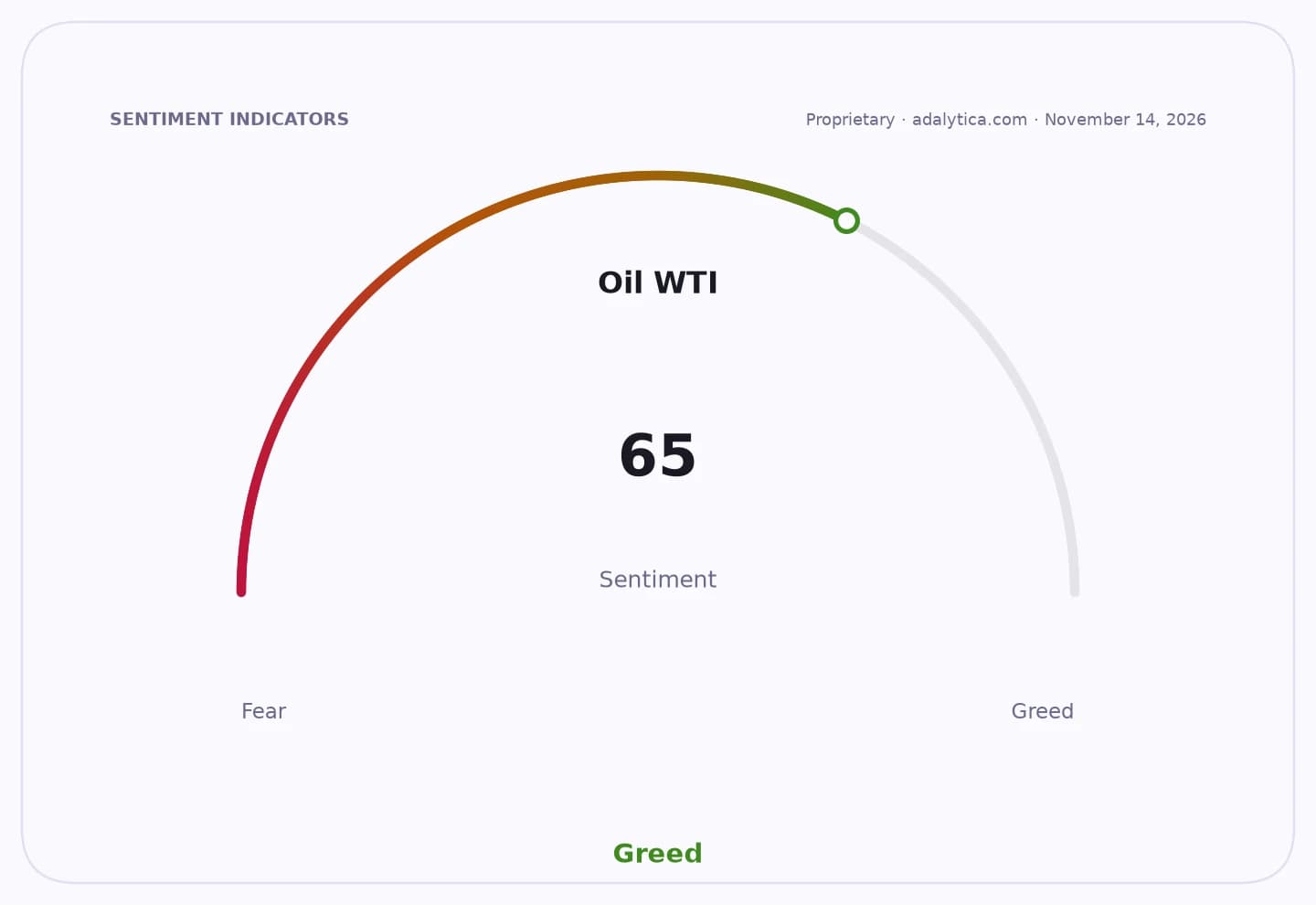
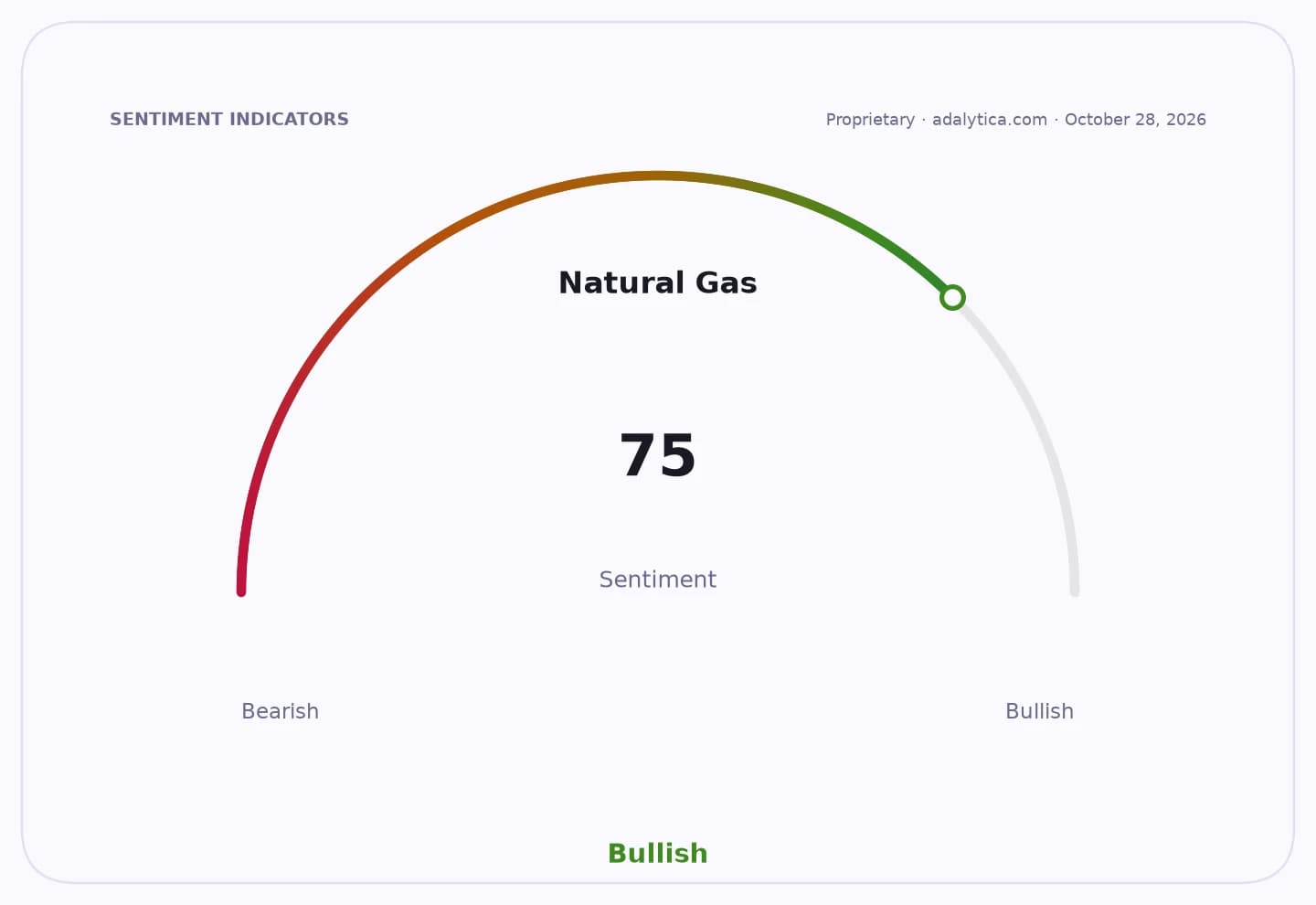
The market has already begun to price in that vulnerability. Adalytica’s natural-gas trade signals show sentiment at 36, still neutral but down 59 points over the past 30 days, while the U.S. dollar’s strong tone and broader geopolitical caution have reinforced a defensive bid in energy-related hedges. Natural gas-linked ETF UNG was trading at $10.15 on Nov. 13, below its 200-day moving average of $11.02, but above the lows seen earlier in the year, underscoring how quickly the market can reprice when weather and storage data turn tighter.
Europe’s warning that bills could rise reflects more than a seasonal inconvenience. A thinner gas cushion increases the risk that utilities and governments will have to compete for cargoes and pipeline flows if temperatures fall sharply, particularly if liquefied natural gas markets tighten or if any supply interruption hits at the wrong time. That raises the cost of staying warm and can ripple through inflation, keeping pressure on the European Central Bank even as growth remains fragile.
For investors, the setup favors volatility rather than a clean directional trade. Bulls argue that Europe has diversified away from Russian pipeline gas, storage is still substantial in absolute terms, and mild weather could prevent a squeeze. Bears point to the arithmetic of winter: lower starting inventories, structural dependence on imports and the likelihood that any cold spell will move prices faster than policymakers can respond.
The key catalyst now is weather. A mild January would buy time and calm markets; a sustained cold snap would quickly expose how little room Europe has left for error, making gas storage a macro story rather than just an energy one.
| Entity | Gains | Losses |
|---|---|---|
| LNG suppliers | ▲Higher spot demand | ▼Less pricing power if winter is mild |
| European utilities | ▲Storage optionality | ▼Margin pressure from volatile wholesale prices |
| German households and industry | ▲Some protection from storage buffers | ▼Higher heating and power bills |
| Gas bulls / hedgers | ▲Volatility premium | ▼Short positions if temperatures stay warm |