Europe’s LNG buyers are facing an estimated $12 billion extra import burden as heightened risk in the Strait of Hormuz keeps gas shipping costs and supply uncertainty elevated, underscoring how the world’s most important LNG chokepoint is feeding directly into power prices, industrial costs and inflation.
Europe LNG Buyers Face Higher Import Costs
US Dollar
The strain matters because Europe remains heavily dependent on seaborne LNG to replace lost pipeline flows, and any prolonged disruption through Hormuz can quickly widen the premium for cargoes headed to the continent. With LNG tankers still moving through the waterway at elevated levels, market participants are paying up for flexibility, rerouting protection and long-term supply cover rather than relying on spot cargoes.
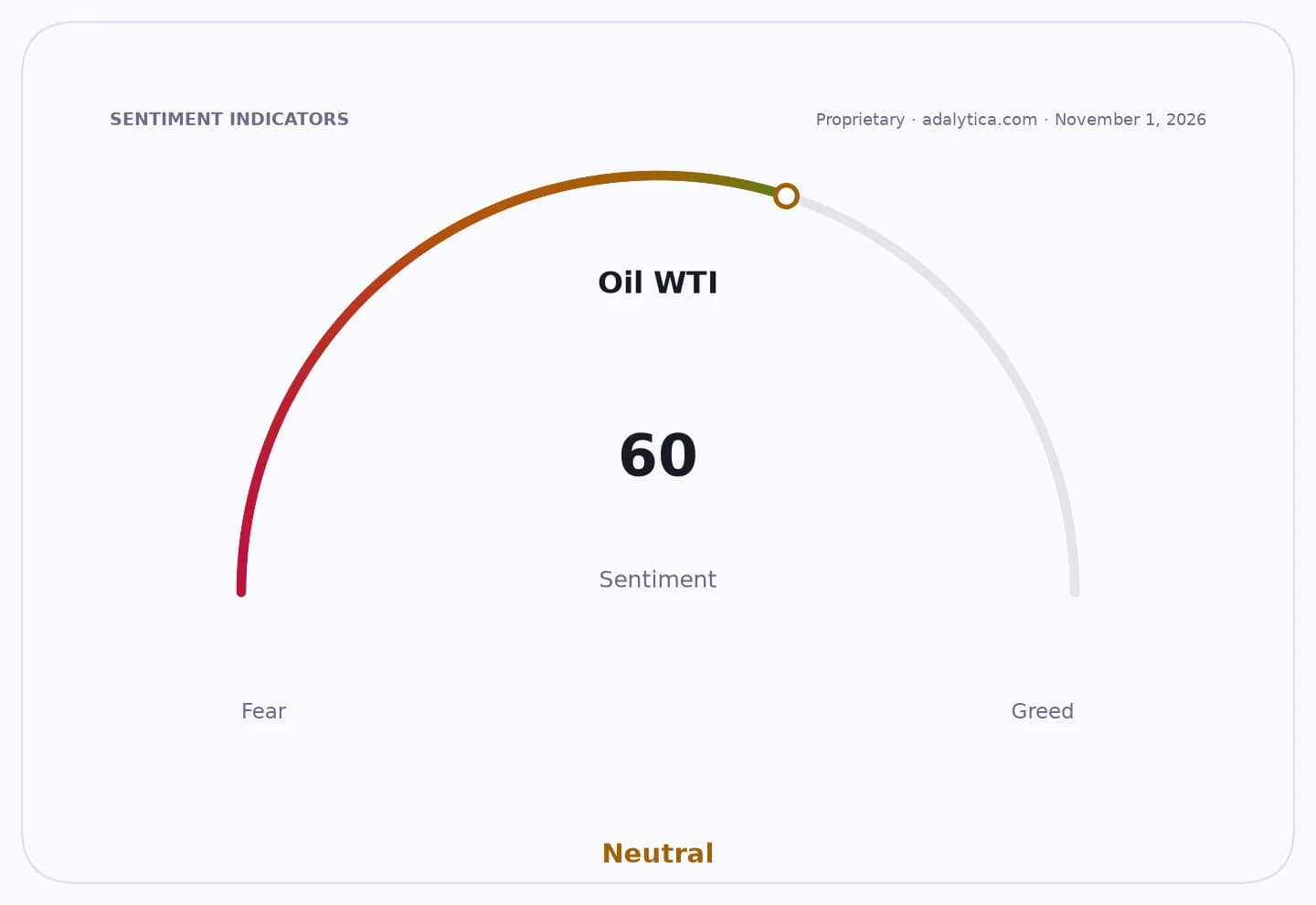
Sentiment Indicators
The economic hit is not limited to Europe. Higher delivered LNG prices ripple through electricity markets, fertilizer producers, heavy industry and household utility bills, while also tightening global fuel balances as Asian buyers compete for the same cargoes. That keeps natural gas a live inflation risk even as Brent crude and other energy benchmarks react to the broader Middle East backdrop.
Company shares have already reflected the tension. Cheniere Energy, the biggest U.S. LNG exporter, has climbed to $309.48 from $253.44 in early March, with the stock trading above its 50-day moving average and near the upper end of its Bollinger Bands, while Royal Dutch Shell and TotalEnergies have also held up better than the broader market as traders price in stronger LNG margins and exposure to disrupted supply chains.
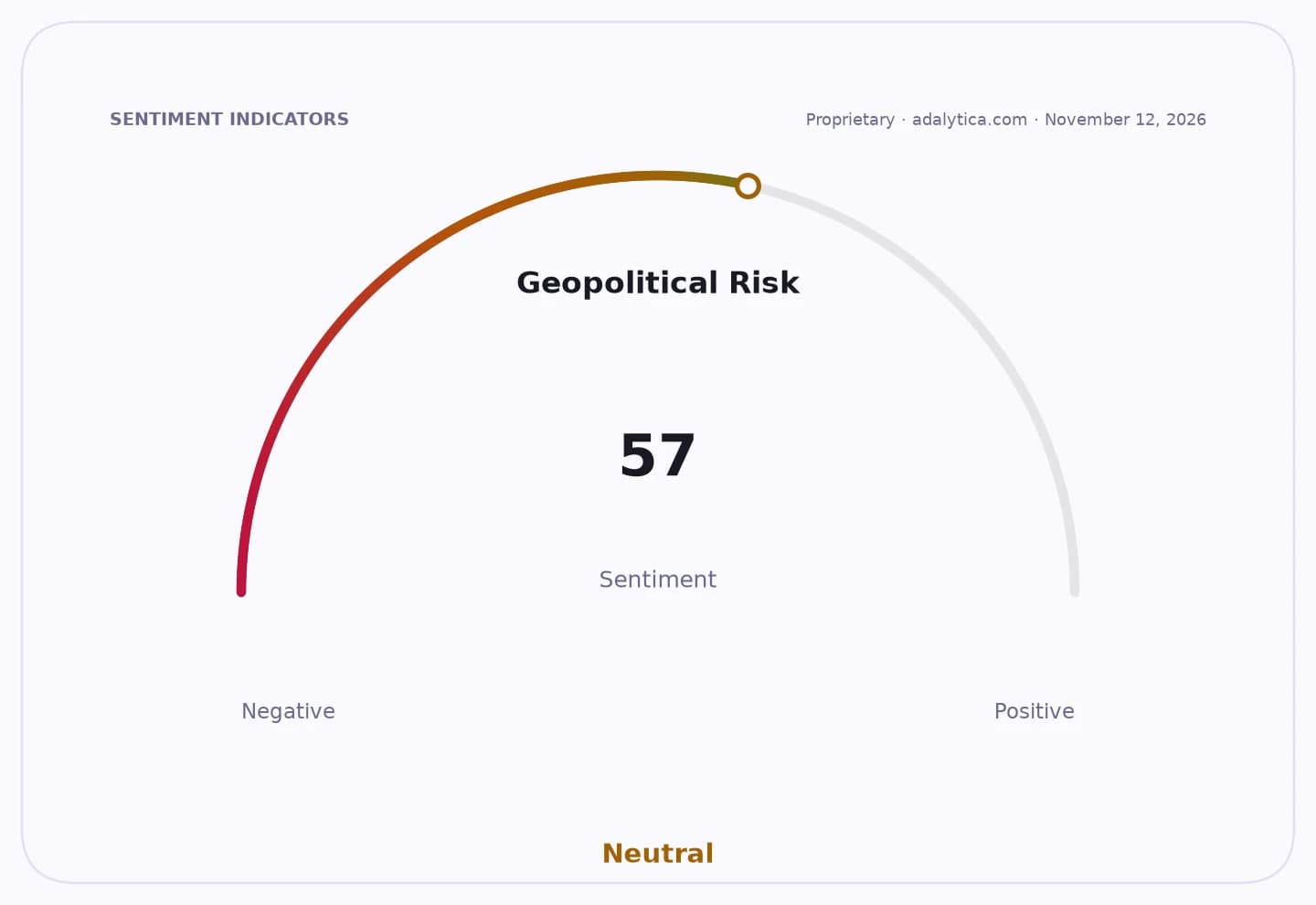
Geopolitical Risk vs LNGadalytica.com
Explore this data interactively — full history, time series and cross-market comparisons.
The geopolitical risk is showing up in market psychology too. Adalytica’s Global Stability Sentiment sits at 73, still in “Greed,” but awareness is at 4 and labeled “Extreme Fear,” a combination that points to complacent positioning against a rising tail risk. LNG-specific trade signals remain only neutral, suggesting the market has not fully priced in how long a Hormuz disruption could last.
The closest losers are European importers and industrial gas users, while exporters and LNG-linked producers stand to benefit from tighter supply and firmer pricing. If the crisis drags on, buyers will keep pushing for flexible contracts and destination optionality, and investors will watch for more force majeure claims, rerouted cargoes and new long-term supply deals as the next wave of market reaction.
| Entity | Gains | Losses |
|---|---|---|
| European LNG importers | ▲None | ▼Higher import costs |
| LNG exporters | ▲Better pricing power | ▼Supply risk and contract friction |
| Cheniere, Shell, TotalEnergies | ▲Stronger LNG margins | ▼Exposure to volatility |
| Industrial gas users in Europe | ▲None | ▼Higher energy and input costs |