Europe is drawing gas from storage at more than double the five-year average pace, a sign the region is entering winter with far less cushion than normal and greater exposure to price spikes if cold weather deepens or supply is disrupted.
Europe Gas Storage Drawdown Raises Winter Price Risk
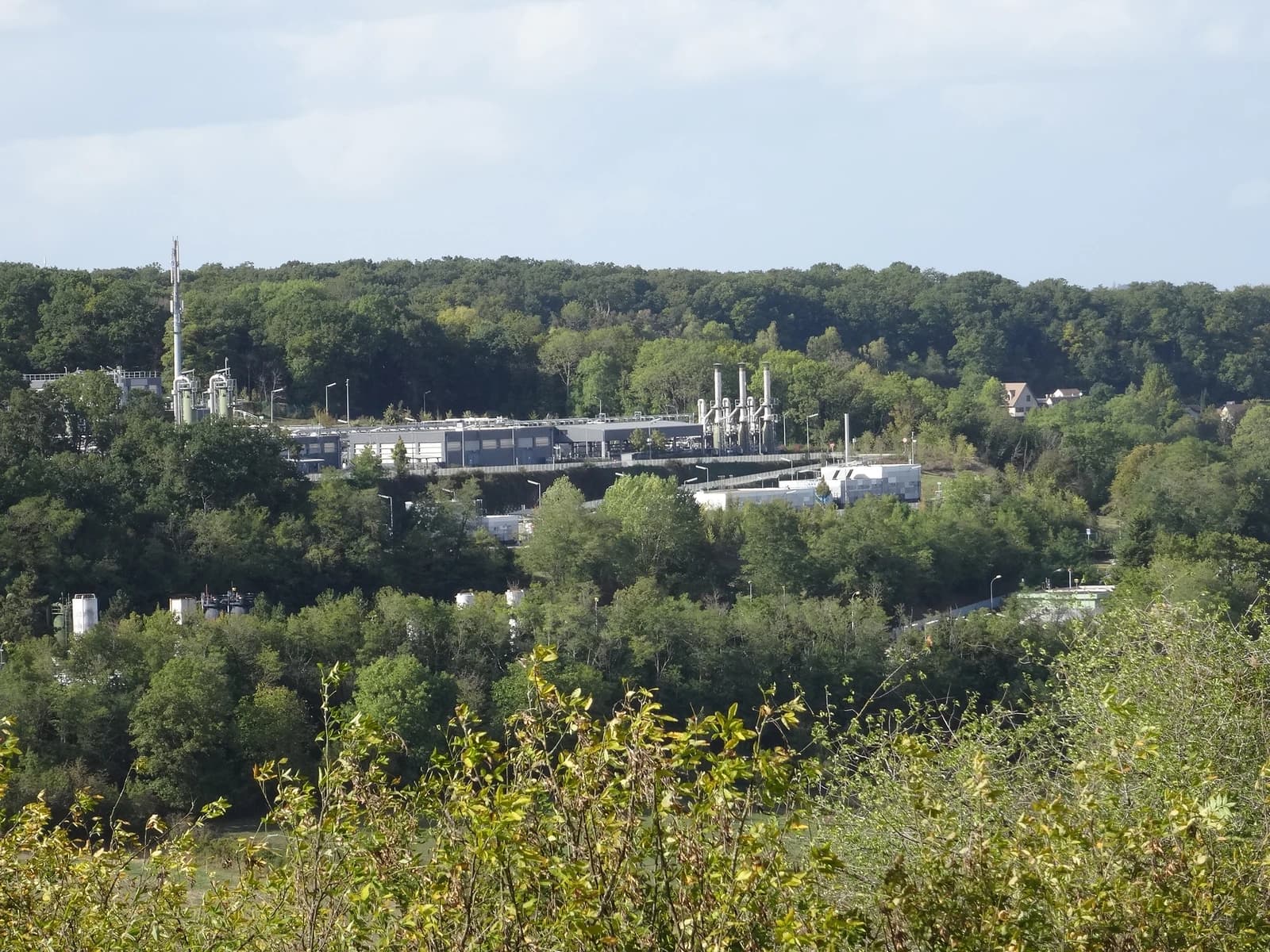
The withdrawal surge matters because storage is Europe’s main buffer against heating demand and supply shocks. With inventories already falling below 73% of capacity overall and under 60% in Germany, the market is moving from comfort toward scarcity, increasing the risk that prompt gas prices stay elevated and industrial users face tighter fuel costs.
Sentiment Indicators
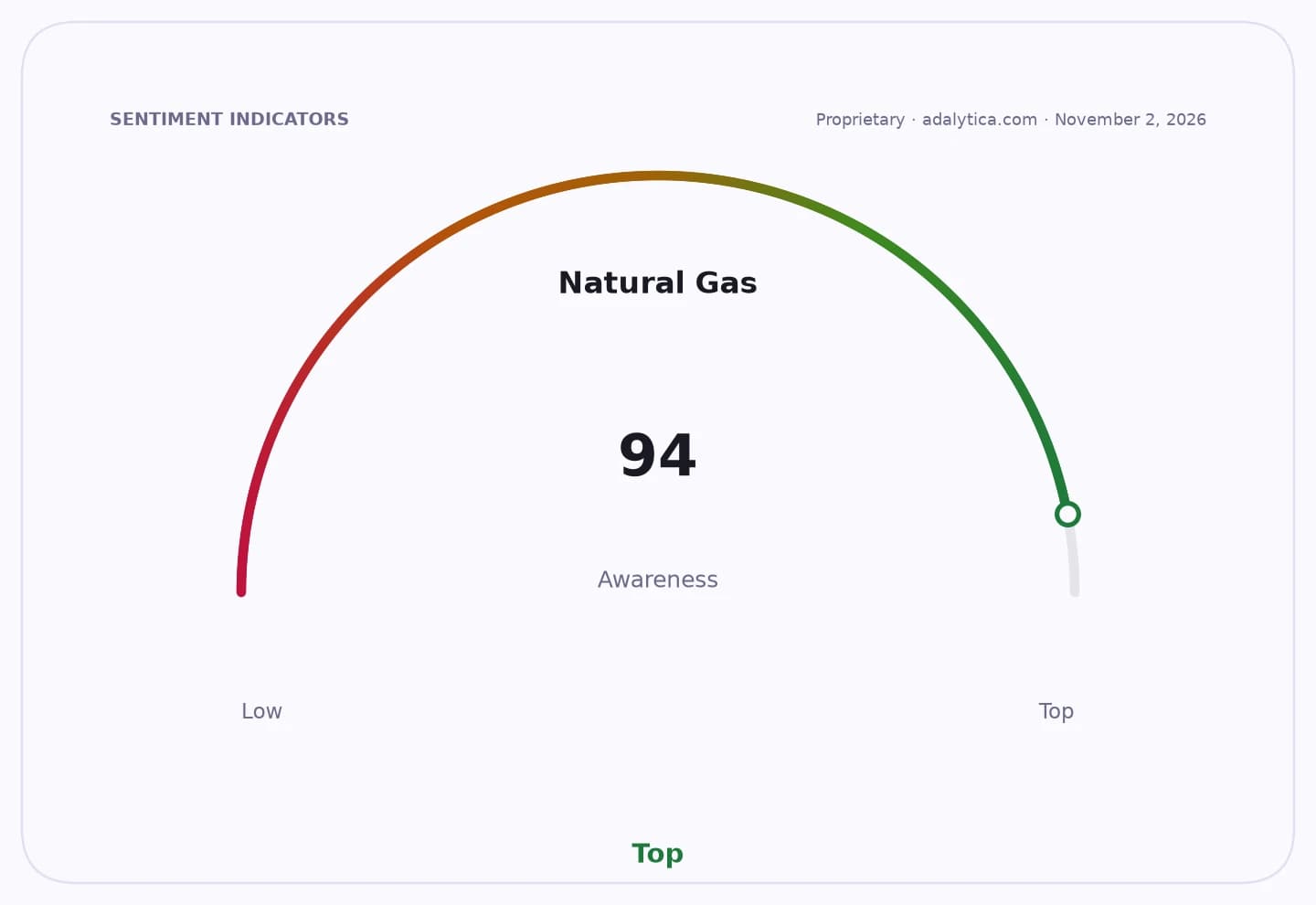
That dynamic is already showing up across gas markets. Adalytica’s natural gas trade signals show extreme fear, while U.S. gas ETF UNG has slid to $9.35, well below its 50-day moving average of $10.32 and its 200-day average of $11.13, with RSI readings stuck in oversold territory. BOIL, the leveraged gas product, has been hit harder, closing at $16.75 versus a 50-day average near $19.72 and a 200-day average around $27.26.
The pressure is not just a weather story. Europe’s scramble for supply comes as policymakers continue a phased exit from Russian gas, even as U.S. negotiators reportedly float a controversial route for Russian flows through Ukraine via an American intermediary. That underscores how tight European balances remain and why any delay in alternative supply or a colder-than-normal winter could quickly translate into higher prices and renewed policy tension.
For investors, the stakes extend beyond gas traders. Higher European prices can support LNG exporters such as Cheniere Energy, whose shares remain well above both the 50-day and 200-day moving averages, while weighing on large industrial users and utilities that face feedstock costs and margin pressure. The next test is whether Europe can keep drawing down demand or secure enough LNG cargoes before inventories become critically thin.
| Entity | Gains | Losses |
|---|---|---|
| LNG exporters | ▲Higher spot prices | ▼More volatility risk |
| European utilities | ▲Backup supply access | ▼Margin pressure |
| Industrial gas users | ▲— | ▼Higher fuel costs |
| Gas bulls | ▲Tight market supports price | ▼— |