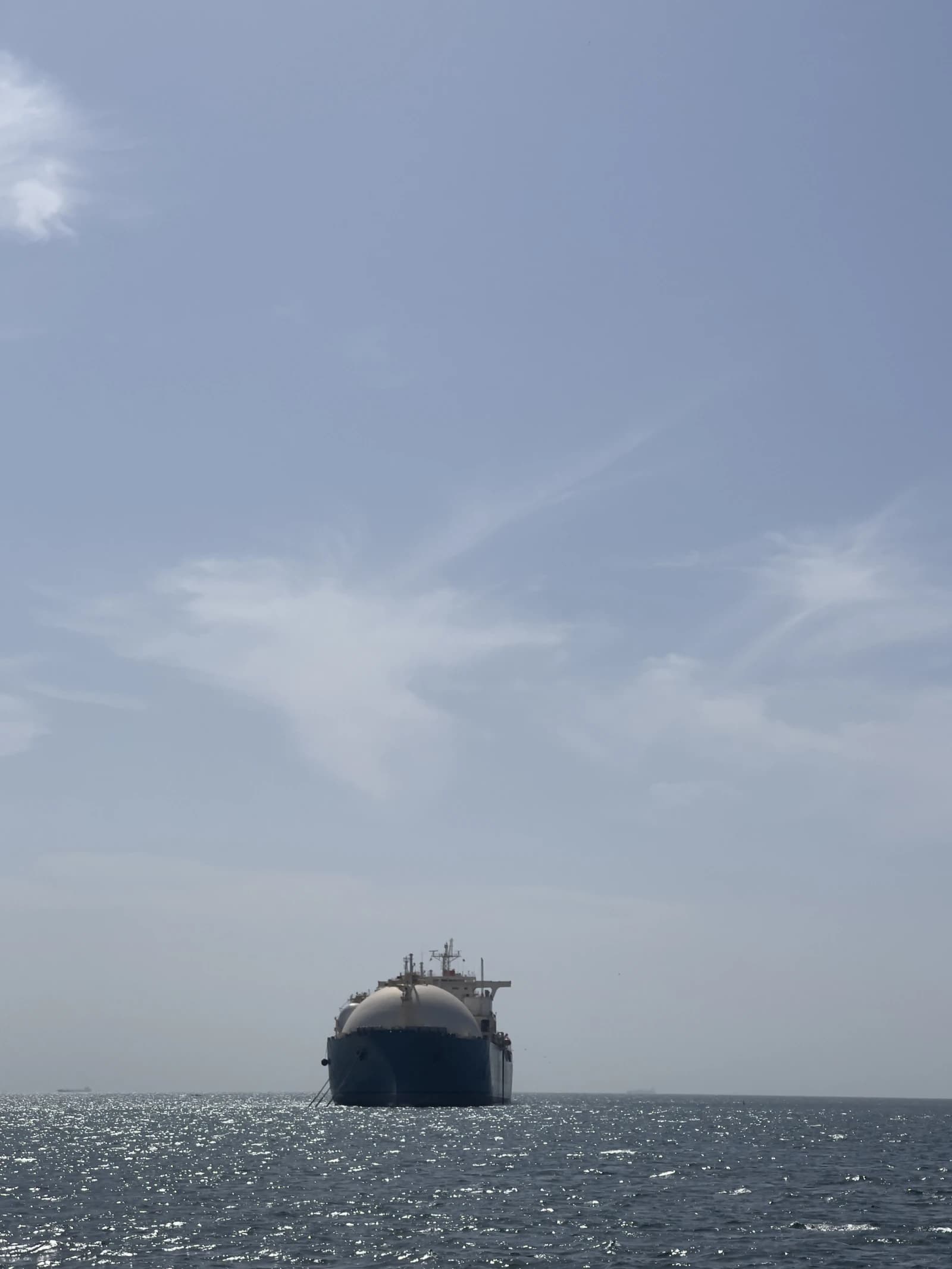
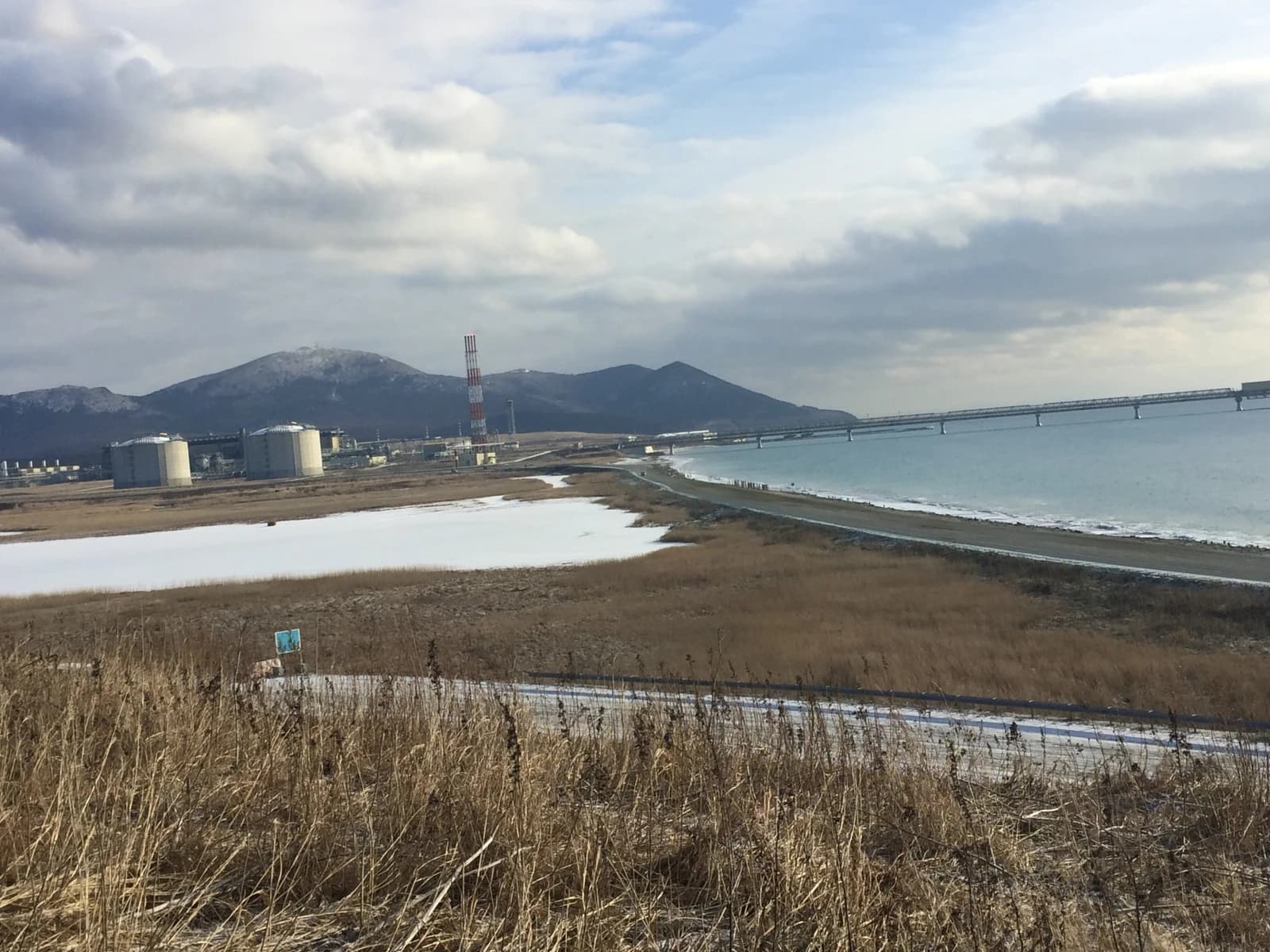
Pakistan’s call to build oil and underground gas storage has moved from a long-term infrastructure goal to a national security issue as Middle East tensions threaten supply lines that the country depends on for imported crude and LNG.
Pakistan Oil and Gas Storage Need Grows
The warning from Mian Kashif Ashfaq, chief executive of the Pakistan Furniture Council, is economically important because Pakistan remains exposed to sudden price spikes and shipment delays on sensitive routes such as the Strait of Hormuz. With little buffer capacity, any disruption can quickly ripple through industry, transport, inflation and the current account, forcing policymakers into emergency purchasing and rationing rather than strategic management of supply.
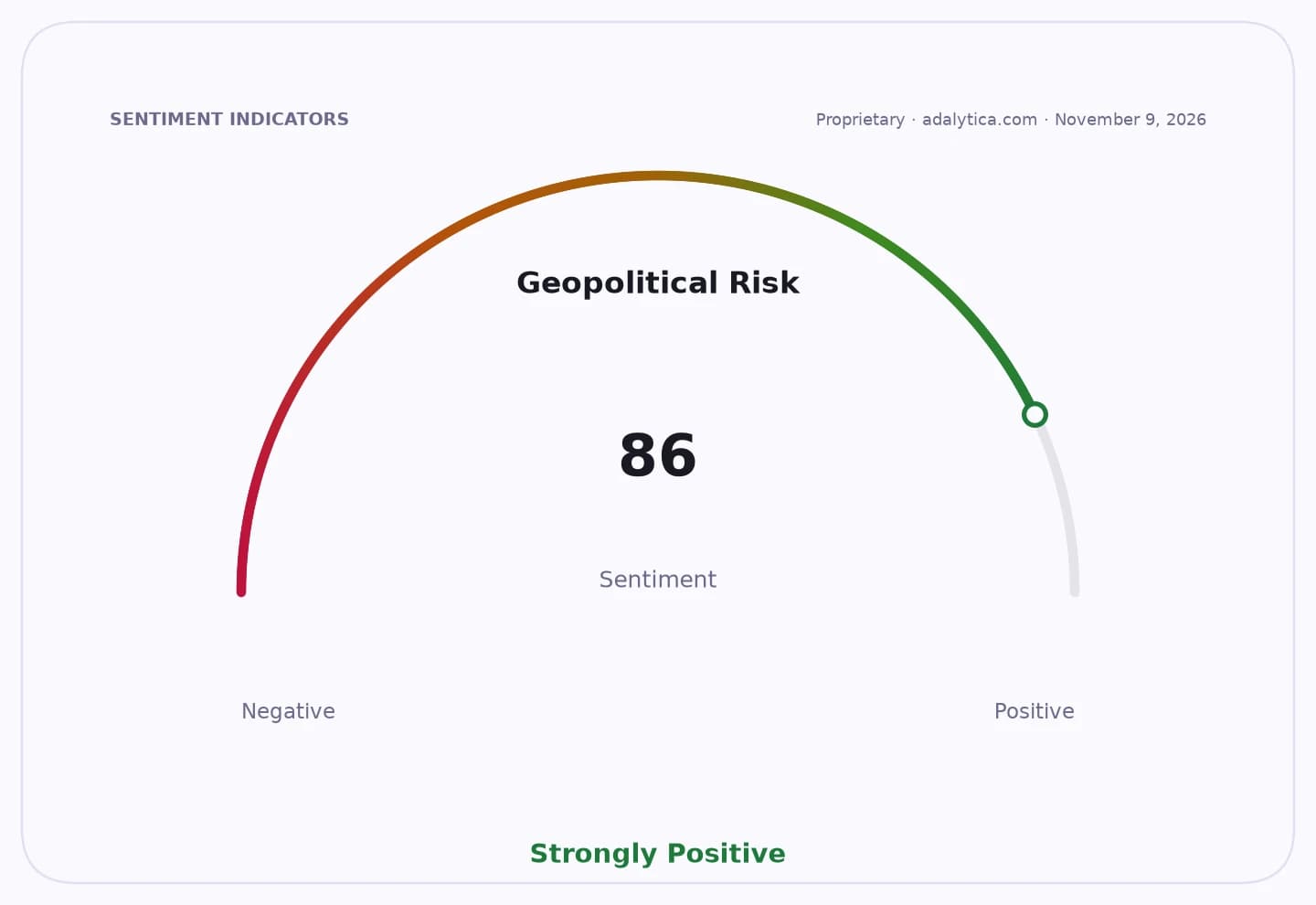
Sentiment Indicators
Ashfaq said Pakistan’s reliance on imported crude oil and liquefied natural gas leaves it vulnerable to global shocks, and pointed to earlier disruptions when Qatar Energy declared force majeure after Hormuz-related risks. He said Pakistan had to seek oil cargoes via the Red Sea and release limited gas reserves because it lacked an adequate system to store fuel.
That matters for investors because energy security risk is not just a geopolitical headline; it is a balance-sheet issue for the wider economy. If Pakistan cannot secure several months of storage, manufacturers face higher input costs, utilities face fuel shortages, and the state faces more expensive spot purchases at precisely the time it needs foreign exchange discipline. For fuel suppliers, terminal operators, tank farm developers and logistics firms, however, the push could create a new investment cycle if regulators open the door to public-private partnerships and relax rules, as Ashfaq urged.
The argument also fits a broader global trend. Across developing markets, energy storage is becoming part of resilience planning, not just industrial policy, as governments try to protect power systems from supply shocks and support growth. In Pakistan’s case, the issue is more acute because energy imports are concentrated in politically exposed sea lanes, leaving the economy highly sensitive to any interruption in oil or LNG flows.
Oil markets remain volatile. Brent and WTI have swung sharply in recent periods on geopolitical fears and supply expectations, and US oil-tracking funds have also shown the strain of those moves, with standard technical indicators on the USO fund pointing to a weaker short-term trend after a strong earlier rally. That price instability reinforces the case for storage: even when cargoes are available, the cost of waiting can be high.
For investors, the key question is whether Islamabad treats storage as a strategic infrastructure program or another policy statement that never reaches financial close. A credible storage build-out would support energy security, reduce emergency import costs and improve industrial continuity. Failure to act would leave Pakistan exposed to the next supply shock — and to the market price of that vulnerability.
| Entity | Gains | Losses |
|---|---|---|
| Pakistan government | ▲Energy security buffer | ▼Emergency import exposure |
| Industrial users | ▲More reliable fuel supply | ▼Shortage and shutdown risk |
| Storage and terminal developers | ▲New investment opportunities | ▼Regulatory uncertainty |
| Import-dependent economy | ▲Lower shock vulnerability | ▼Higher price volatility |