Türkiye’s interest in Surinamese natural gas underscores how the global LNG market is still being redrawn by the scramble for non-Russian supply, and why governments and producers are chasing new molecules even before the next wave of export capacity fully arrives.
Türkiye and Suriname Discuss LNG Infrastructure
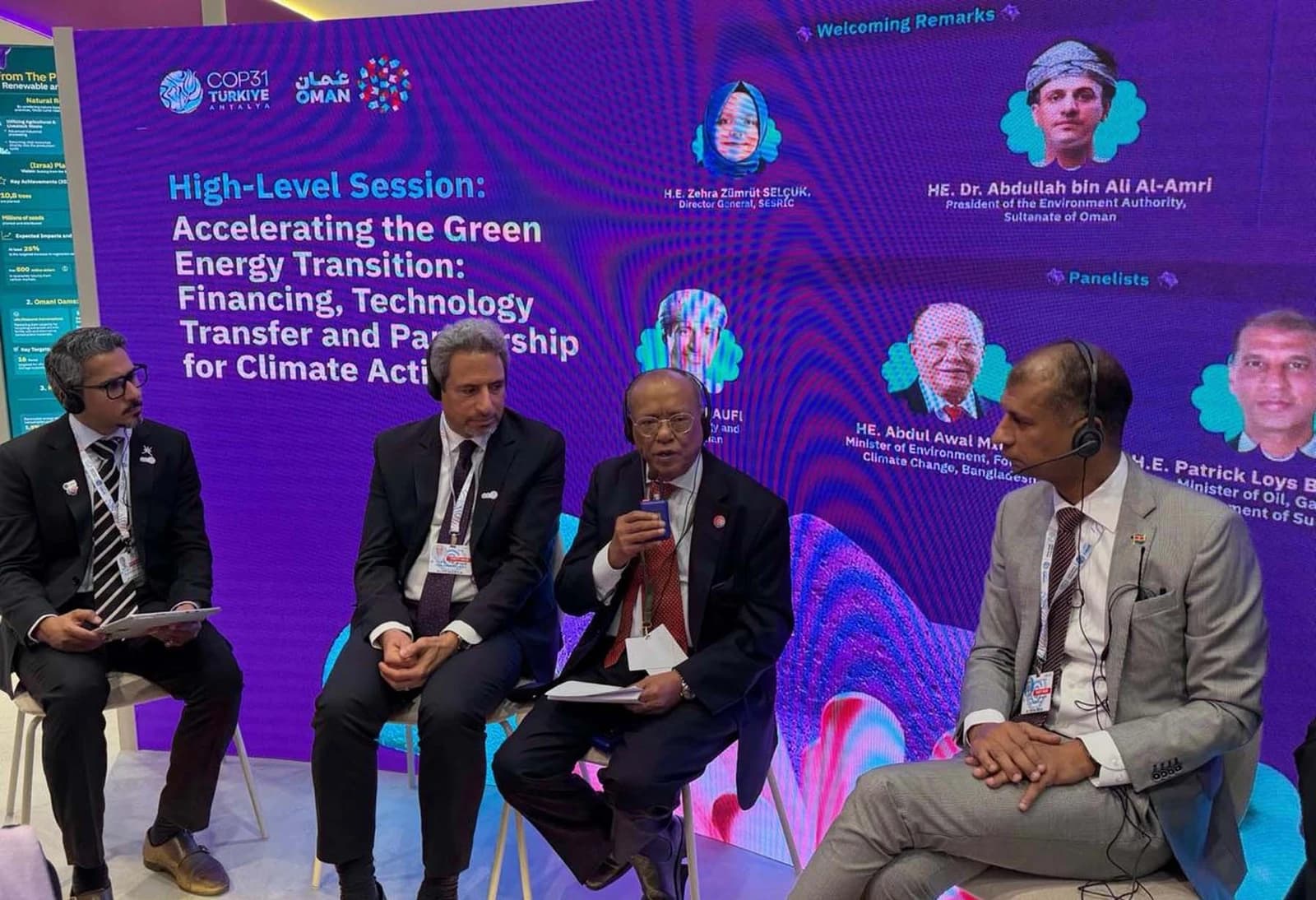
At COP31, Surinamese minister Melvin Bouva discussed possible LNG infrastructure and future gas deliveries with Turkish officials, a sign that energy security is becoming a bigger driver of diplomacy than climate pledges alone. The talks also covered trade, investment and air links, but the economically meaningful piece is gas: Türkiye wants optionality, and Suriname wants a route to monetize any offshore gas discovery through export infrastructure.
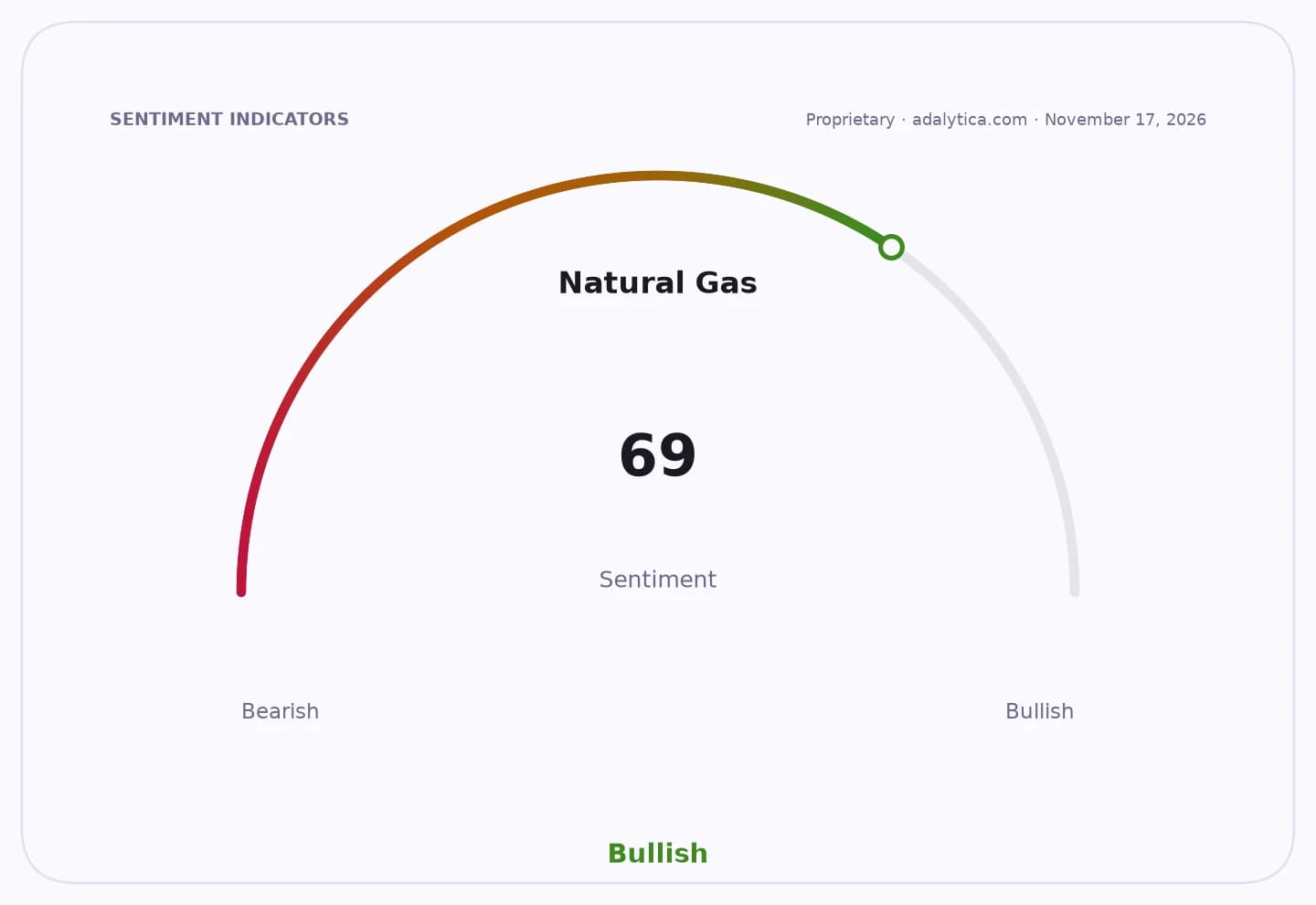
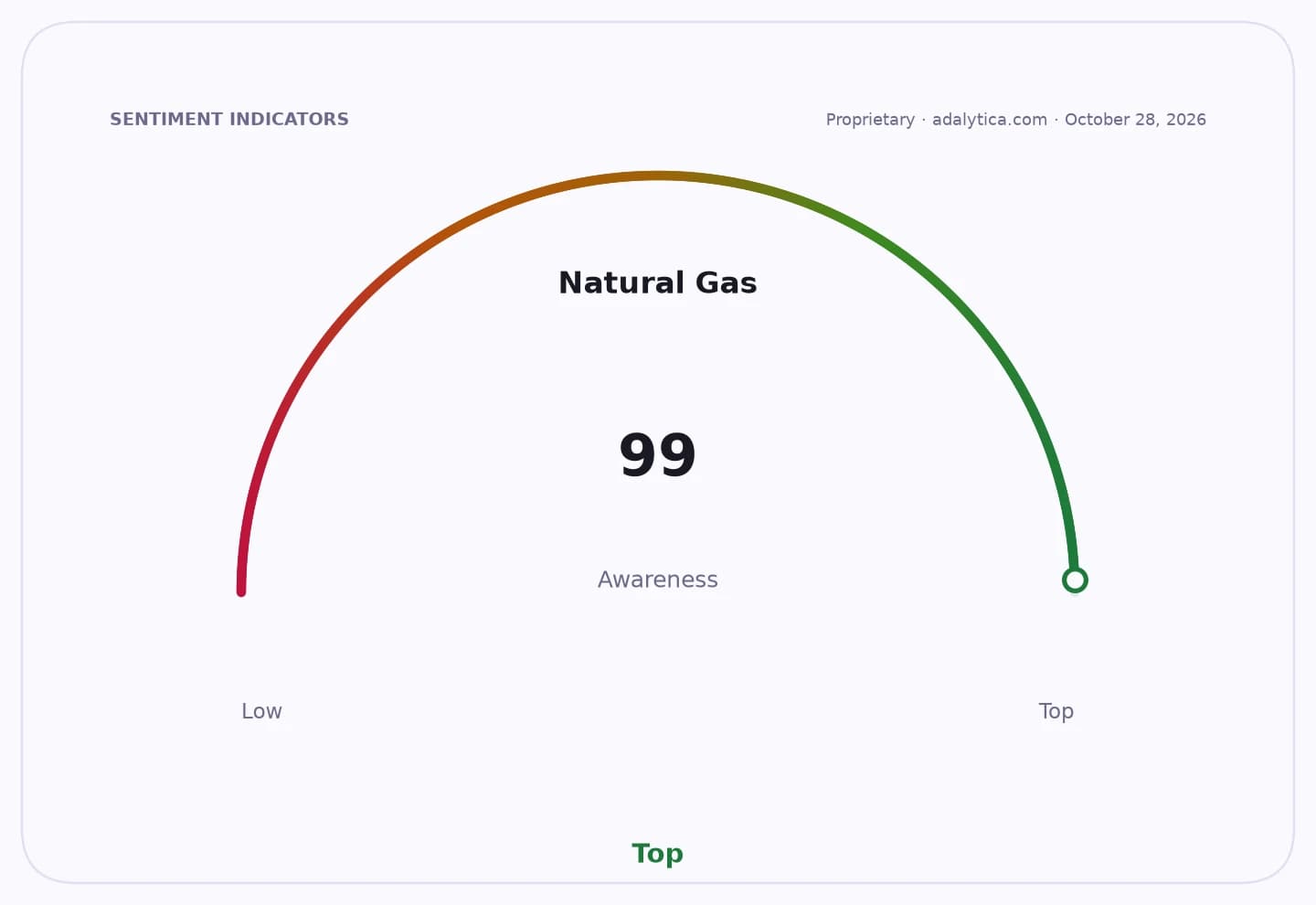
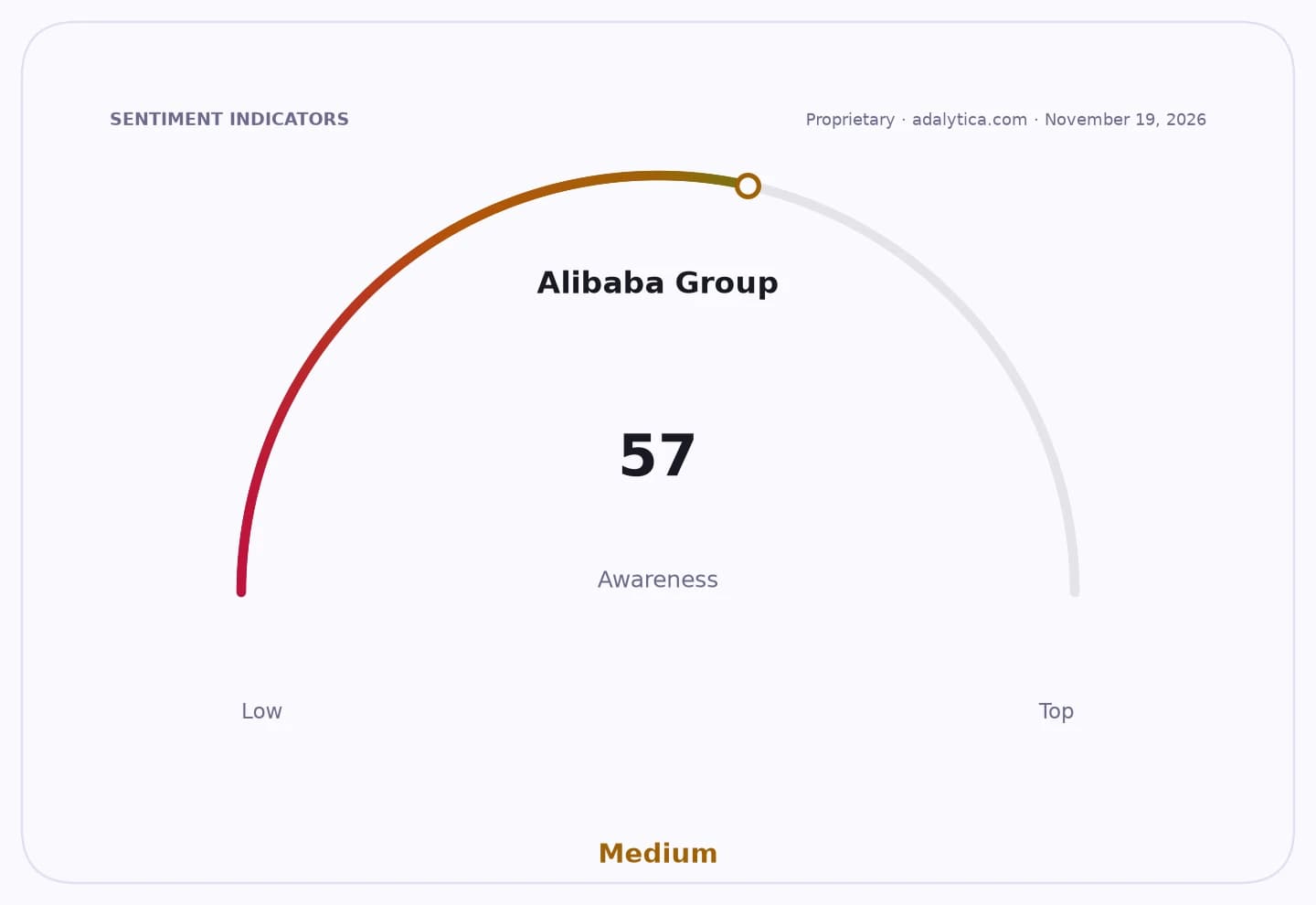
Sentiment Indicators
That matters because LNG remains one of the most strategic commodities in the energy system. Europe has been forced to replace Russian gas, Asia is competing aggressively for supply, and the market is still tight enough to reward countries that can secure long-term contracts or upstream access early. Even a preliminary discussion between Türkiye and Suriname signals that buyers are widening their search beyond traditional exporters in the U.S., Qatar and Australia, while frontier producers are trying to position themselves before capital and long-term offtake are locked up elsewhere.
For investors, the opportunity is not in the headline itself but in the infrastructure and service chain that follows it. LNG is a capex-heavy business, which means the winners are often the toll-road assets around it: liquefaction builders, pipeline operators, shipping, engineering contractors and large-cap producers with balance sheets strong enough to secure reserves and sanction projects. That is why shares of integrated energy names such as TotalEnergies, Shell and BP remain relevant to any emerging LNG corridor, even if the immediate move is still diplomatic rather than contractual.
The broader backdrop is supportive. Adalytica’s natural gas trade signals show sentiment in the gas market at neutral levels, but awareness has been marked at extreme fear, a combination that often accompanies periods when the market is underestimating future supply tightness. Oil at around $89.56 a barrel and a still-fragile global stability backdrop reinforce the same point: energy markets are pricing risk, not abundance.
The market should not dismiss small-country LNG diplomacy as noise. These are the early-stage conversations that often precede multi-year investment cycles, and the countries and companies that secure them first tend to control the most valuable cash flows later. For investors, the takeaway is straightforward: stay positioned in LNG infrastructure, global majors with upstream optionality and the logistics names that benefit when buyers keep diversifying supply.
| Entity | Gains | Losses |
|---|---|---|
| Türkiye | ▲More gas optionality | ▼Dependence on narrow suppliers |
| Suriname | ▲Future export monetization | ▼Delay in infrastructure spending |
| LNG infrastructure providers | ▲New project pipeline | ▼Underinvestment cycles |
| Russian gas exporters | ▲— | ▼Share of European/Asian demand |