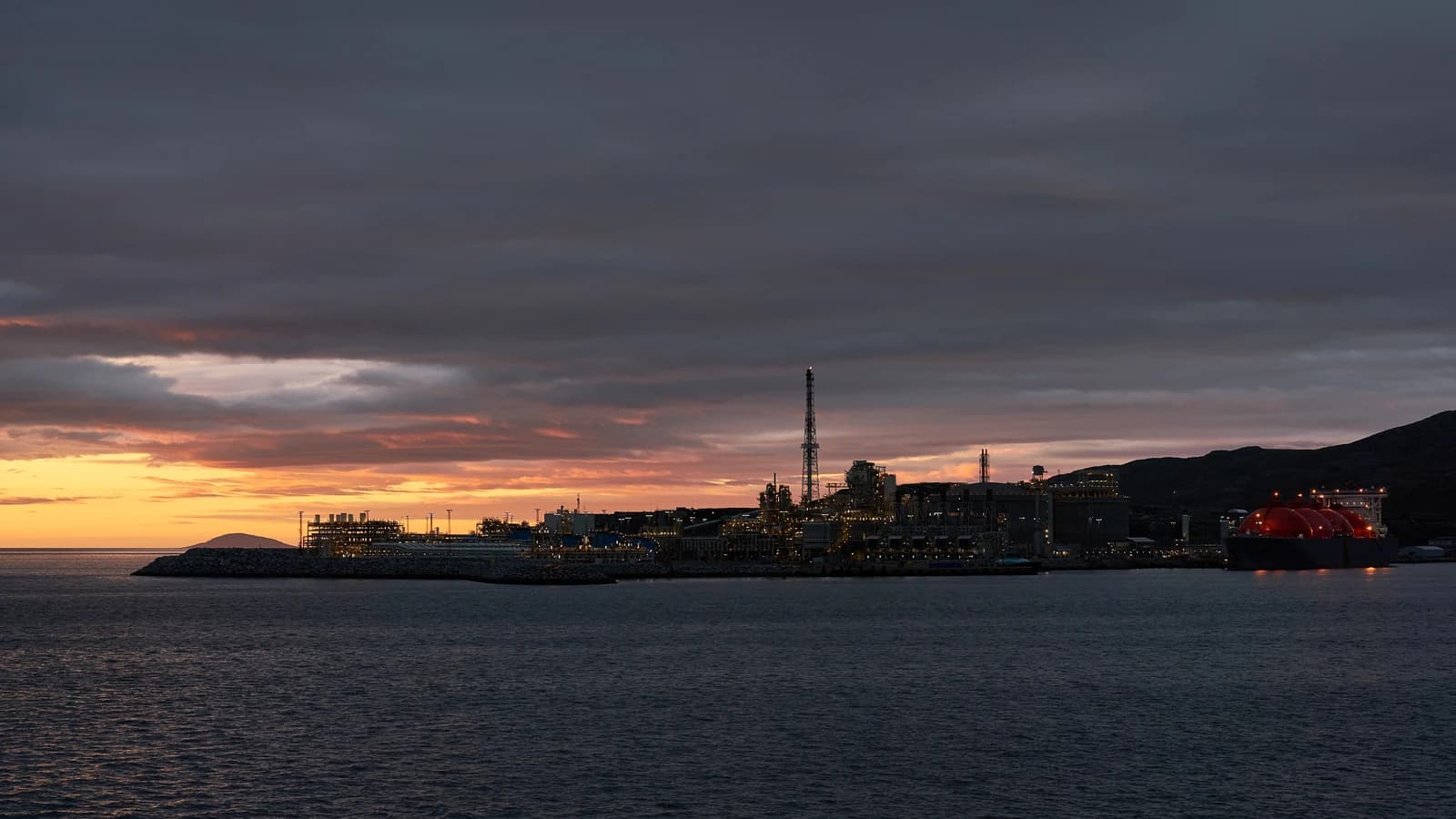
Thenamaris has been linked to its first LNG carrier newbuildings in eight years, a sign the Greek shipowner is betting that persistent demand for liquefied gas transport will outlast the latest swings in spot energy prices.
Thenamaris linked to first LNG carrier newbuilds in 8 years
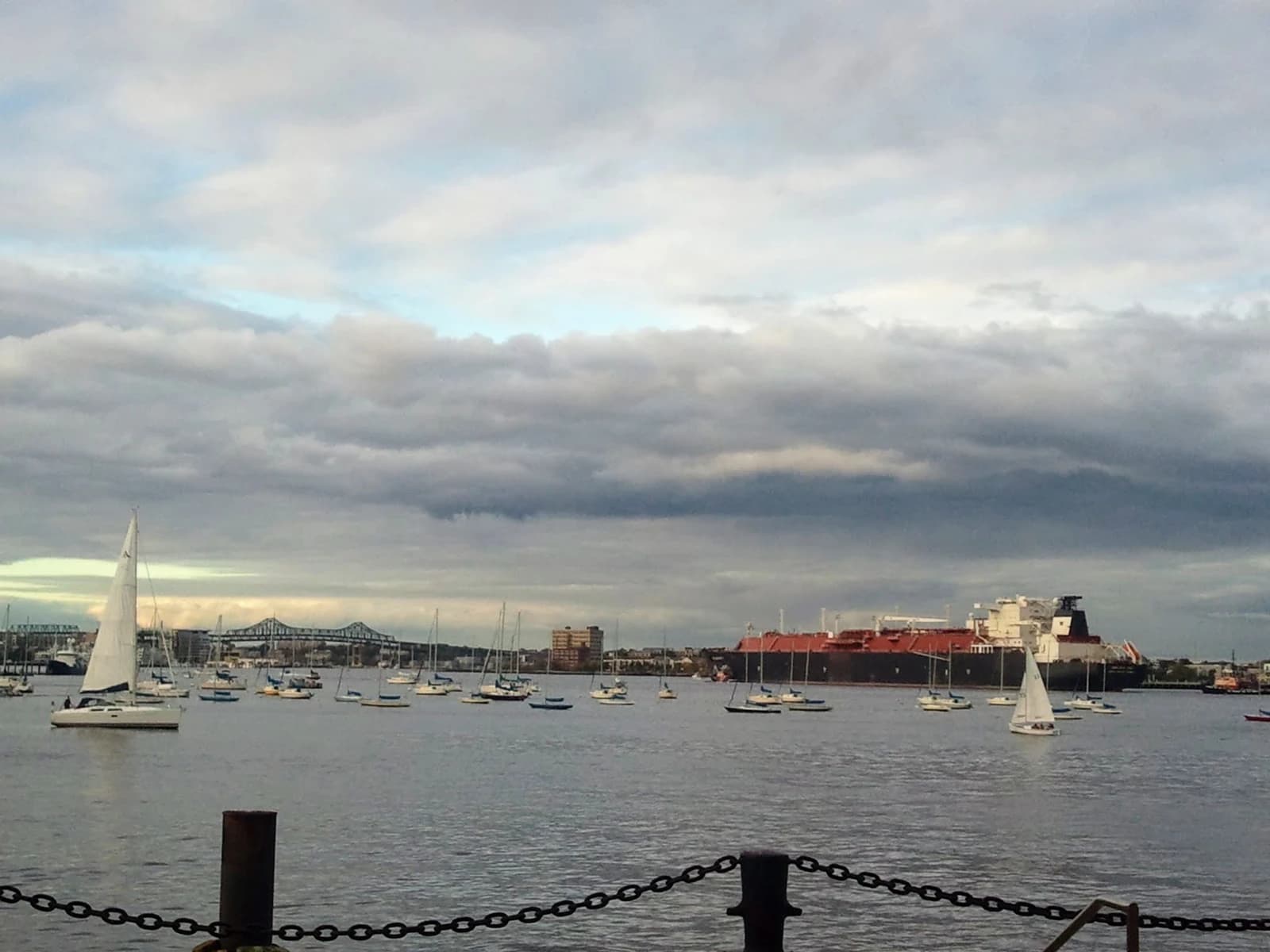
The move matters because LNG shipping remains one of the few parts of the energy complex where a multi-year capacity cycle, not just day-to-day fuel prices, can drive earnings. Owners that lock in modern tonnage ahead of the next wave of cargo growth can gain leverage on charter rates and fleet utilization, while shipyards and financiers see fresh evidence that long-term confidence in LNG infrastructure is still intact despite volatile gas markets.
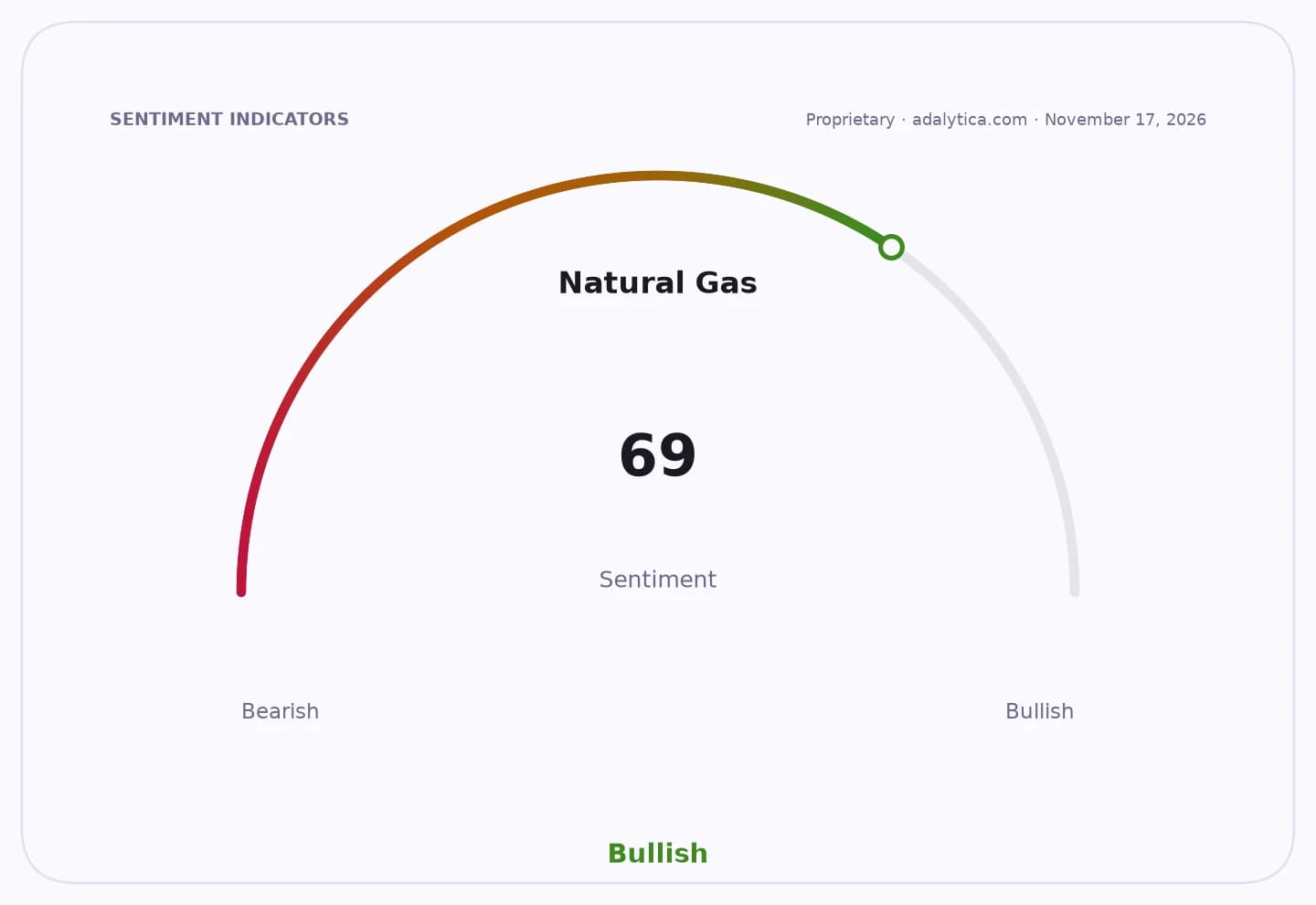
Sentiment Indicators
That volatility is not fading. U.S. oil prices have been oscillating sharply, reflecting a broader energy market still pulled between supply disruptions, weather-driven demand and geopolitical risk. European gas inventories remain a key focus heading into winter, while LNG flows are being shaped by shipping bottlenecks and security concerns around routes such as the Strait of Hormuz. For shipowners, those conditions reinforce the case for securing capacity now rather than waiting for a calmer market.
Investors have also been rewarding LNG-linked names that can show exposure to tight transport economics. Cheniere Energy Partners’ parent, Cheniere Energy, has seen its shares trade well above both the 50-day and 200-day moving averages in recent months, while GasLog Partners has been under pressure, with its stock slipping to around $25.50, far below its 50-day and 200-day averages. That divergence reflects the market’s preference for quality, contract coverage and balance-sheet strength over pure exposure to spot freight cycles.
Thenamaris’ reported return to newbuild orders would also fit a broader industry shift. LNG shipping is not just about moving cargoes from one market to another; it is increasingly tied to fleet replacement, emissions regulation and the need for more efficient vessels that can operate across longer trade routes. Modern ships are expensive, but they can command premium employment and may prove more resilient if charter markets tighten further.
For investors, the key question is whether this is the start of a wider capital-spending wave among private shipowners or a selective move by a well-positioned player. If more owners follow, newbuilding demand could improve pricing power for yards and keep vessel supply growth orderly. If not, the market may remain constrained, supporting rates for existing tonnage and rewarding owners with scarce available ships.
The next catalysts are winter demand, charter coverage into 2027 and whether other shipowners take the same step. A broader revival in LNG newbuild orders would point to confidence that global gas trade still has room to expand, even as the spot market remains uneasy.
| Entity | Gains | Losses |
|---|---|---|
| Thenamaris | ▲Fleet renewal leverage | ▼Higher capital outlay |
| LNG shipyards | ▲New order flow | ▼Limited if orders stay sparse |
| Modern LNG carrier owners | ▲Stronger charter rates | ▼Older tonnage |
| Cargo buyers/charterers | ▲More capacity over time | ▼Near-term tightness in supply |