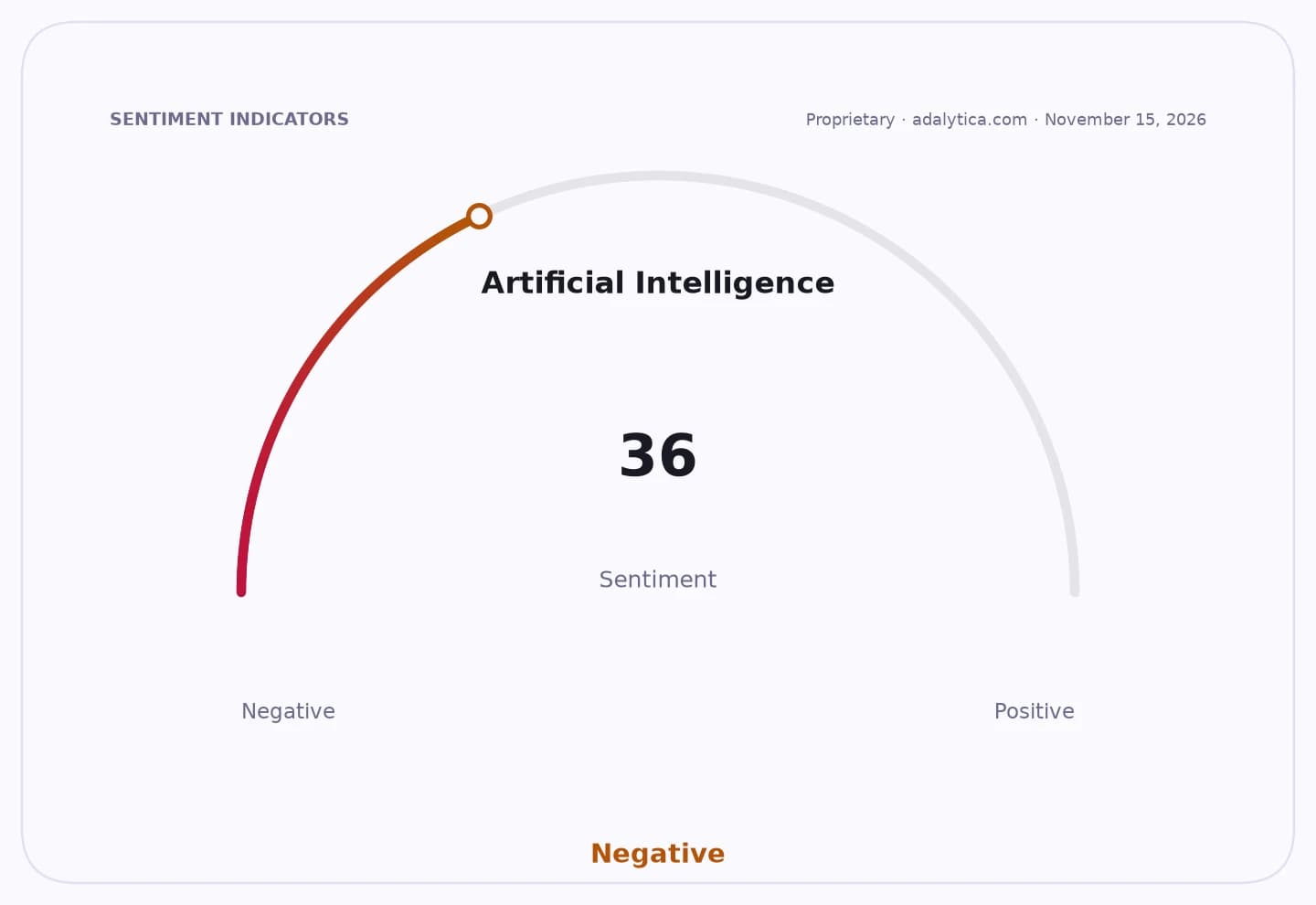
Black and brown Brazilians still hold only 30% of management jobs in a country where they make up the majority of the population, underscoring a structural labor-market imbalance that is limiting wages, reducing mobility and leaving a large share of consumer spending power below its potential.
Brazil Black and Brown Workers Lag in Management Pay
The data, released by Brazil’s statistics agency IBGE, shows the gap is not only about representation but income. White workers earn an average of R$27 an hour, compared with R$17 for brown Brazilians and R$16 for Black Brazilians. For Black women with a college degree, earnings are still close to half those of white men, a disparity that carries direct consequences for household spending, tax receipts and long-term growth.
That matters for an economy trying to expand beyond cyclical rebounds. Brazil’s gross domestic product continues to grow, with the latest readings showing output still rising, but the labor market is not distributing those gains evenly. The inequality constrains consumption among the country’s largest demographic groups and helps explain why productivity and income growth often fail to translate into broad-based demand.
The report also shows that education gains alone have not closed the gap. Over the past decade, the share of white adults with higher education rose to 26% from 19%, while the figure increased to 12% for brown Brazilians and 11% for Black Brazilians. Yet access to university has not delivered proportional access to higher-paid jobs, especially in occupations where Black workers remain underrepresented and where retention and advancement are harder.
For investors, the issue is not just social policy but economic capacity. Companies with more diverse leadership pipelines and better wage mobility can tap a broader talent pool and potentially improve execution in a market of more than 200 million people. Conversely, persistent inequality leaves a large consumer base under-earning relative to its demographic weight, which can weigh on retail demand, financial inclusion and the long-term growth of domestic sectors.
The figures also highlight a risk for policymakers: Brazil can post respectable macroeconomic numbers while still underusing a large part of its workforce. Unless advancement, pay equity and access to higher-value roles improve, the country is likely to keep leaving growth on the table.
| Entity | Gains | Losses |
|---|---|---|
| Black and brown workers | ▲Better representation and wage growth | ▼Lower pay and fewer management roles |
| White workers | ▲Existing leadership and pay advantage | ▼Pressure on legacy hiring patterns |
| Brazilian employers | ▲Wider talent pool if barriers fall | ▼Higher turnover and weaker inclusion metrics |
| Brazilian economy | ▲Higher productivity if inequality narrows | ▼Lost consumer spending and growth potential |