AI is already making it harder for young professionals to get a foothold in the labor market, according to a new Ifo Institute indicator that finds full-time employment among 20- to 24-year-olds in the most AI-exposed occupations has fallen 14% since 2022.
Ifo: AI Cuts Entry-Level Jobs for Young Workers
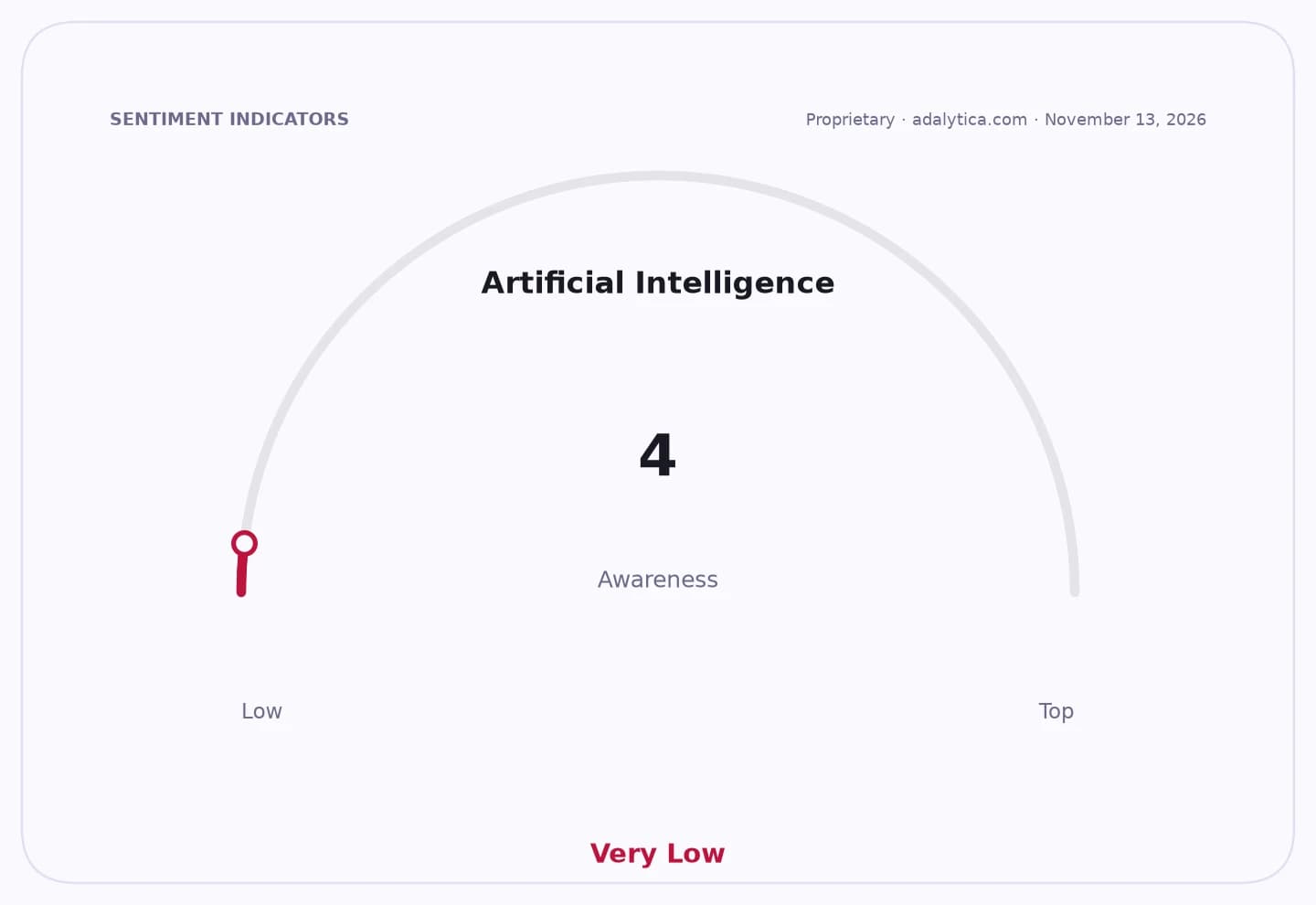
Artificial Intelligence
That is the clearest sign yet that generative AI is not yet producing mass layoffs, but is reshaping hiring at the entry level first. For employers, it suggests a way to absorb productivity gains without a broad reduction in headcount. For workers, it means the first casualties of automation may be internships, trainee roles and junior positions that traditionally serve as the pipeline into white-collar careers.
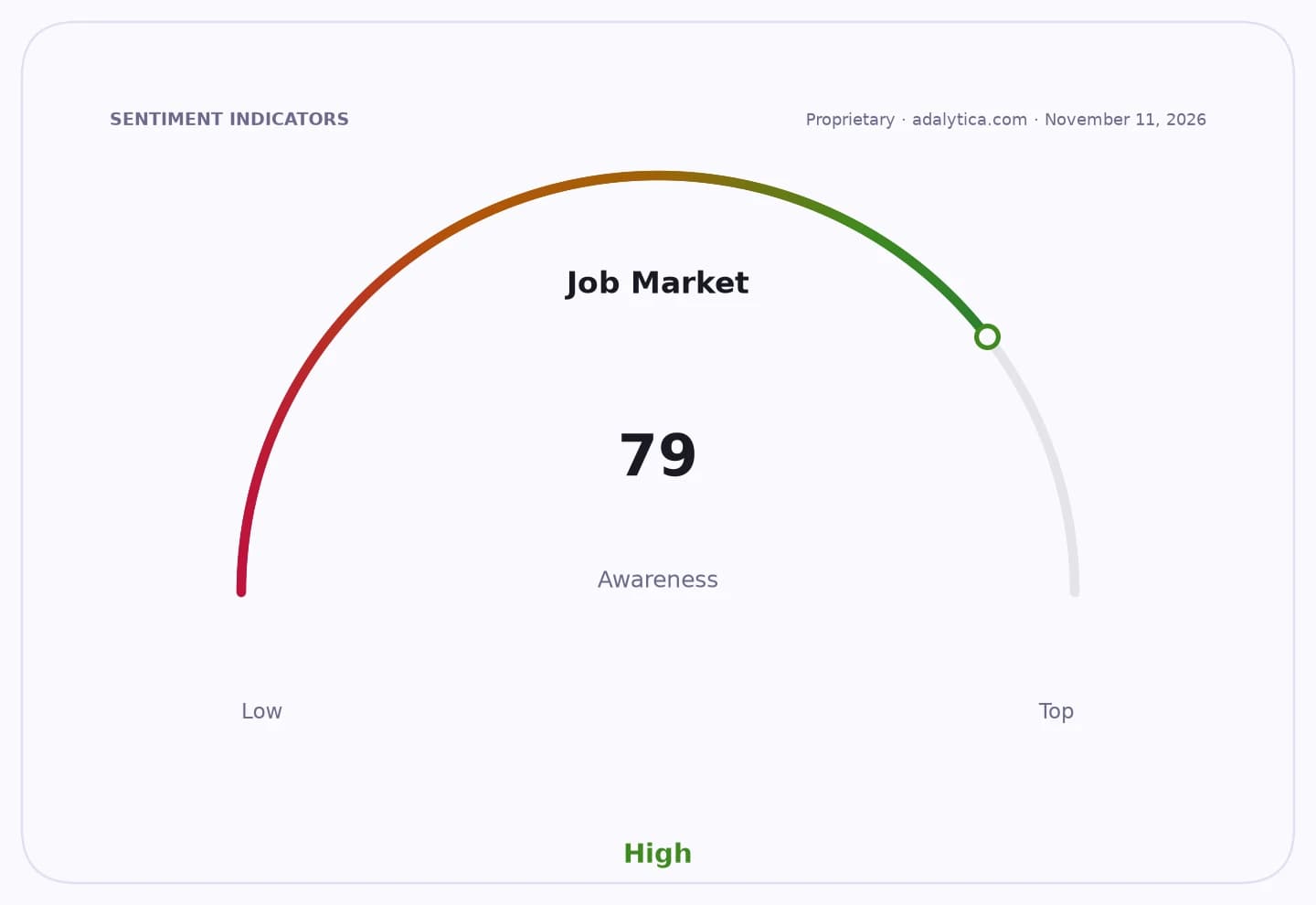
Sentiment Indicators
The Munich-based institute said the drop in young full-time employment in highly exposed roles, from about 279,000 to 239,000, stands in contrast with the broader labor market. Employment in AI-exposed occupations overall has risen 1.8% since 2022, while jobs in less exposed occupations have fallen 6.4%. The split supports the Ifo’s argument that AI is not simply destroying work across the board; it is redistributing it, rewarding firms and workers that can use it as a complement rather than a substitute.
The occupations most exposed to automation include data entry and text processing, followed by software developers, accountants, database and network technicians, and writers and journalists. That matters because these are not fringe roles. They sit in the center of the white-collar economy and, in many cases, are the first rung of the career ladder. If entry-level hiring weakens while experienced workers remain insulated, the result could be a slower renewal of skills in firms and a more fragile labor market for graduates.
Clemens Fuest, the Ifo president, said the institute sees no evidence yet of broad AI-driven job cuts. But he said newcomers to the workforce are feeling the change first. Co-author Oliver Falck called the drop in youth employment a warning sign. The institute also cautioned that AI is not the sole driver, noting that demographics and longer training periods may also be affecting hiring patterns.
Investors should care because the labor-market effects of AI go beyond efficiency gains and into the structure of demand, wages and corporate margins. Firms able to automate routine cognitive tasks may sustain profitability with fewer junior hires, which could support near-term earnings. But a weaker pipeline of early-career talent can raise longer-term execution risk, especially in sectors that rely on apprenticeship-style development. It also sharpens the policy debate in Europe, where lawmakers are already pushing for rules on AI use in recruitment and employment.
The Ifo findings also complicate the market’s favorite AI narrative. The current investment case has centered on hardware demand, cloud infrastructure and productivity upside for large companies such as Microsoft, Apple and Nvidia. Yet the same technology is increasingly creating distributional stress in the labor market, especially for graduates and other first-time entrants. That raises the odds of tighter scrutiny from regulators and unions if AI adoption continues to erode career entry points without visible broad-based job creation.
For now, the message is not that AI is triggering an employment crisis. It is that the shock is arriving unevenly, with young professionals on the front line. That makes AI less of a distant productivity story than a near-term labor-market shift, and one that investors will need to track not just through corporate margins and chip sales, but through hiring data and policy response.
| Entity | Gains | Losses |
|---|---|---|
| Firms using AI | ▲Higher productivity | ▼Less need for junior hires |
| Young professionals | ▲Faster skill pressure | ▼Fewer entry-level jobs |
| AI leaders and suppliers | ▲Stronger demand case | ▼Greater regulatory scrutiny |
| Regulators and unions | ▲Stronger case for oversight | ▼Slower labor-market adjustment |