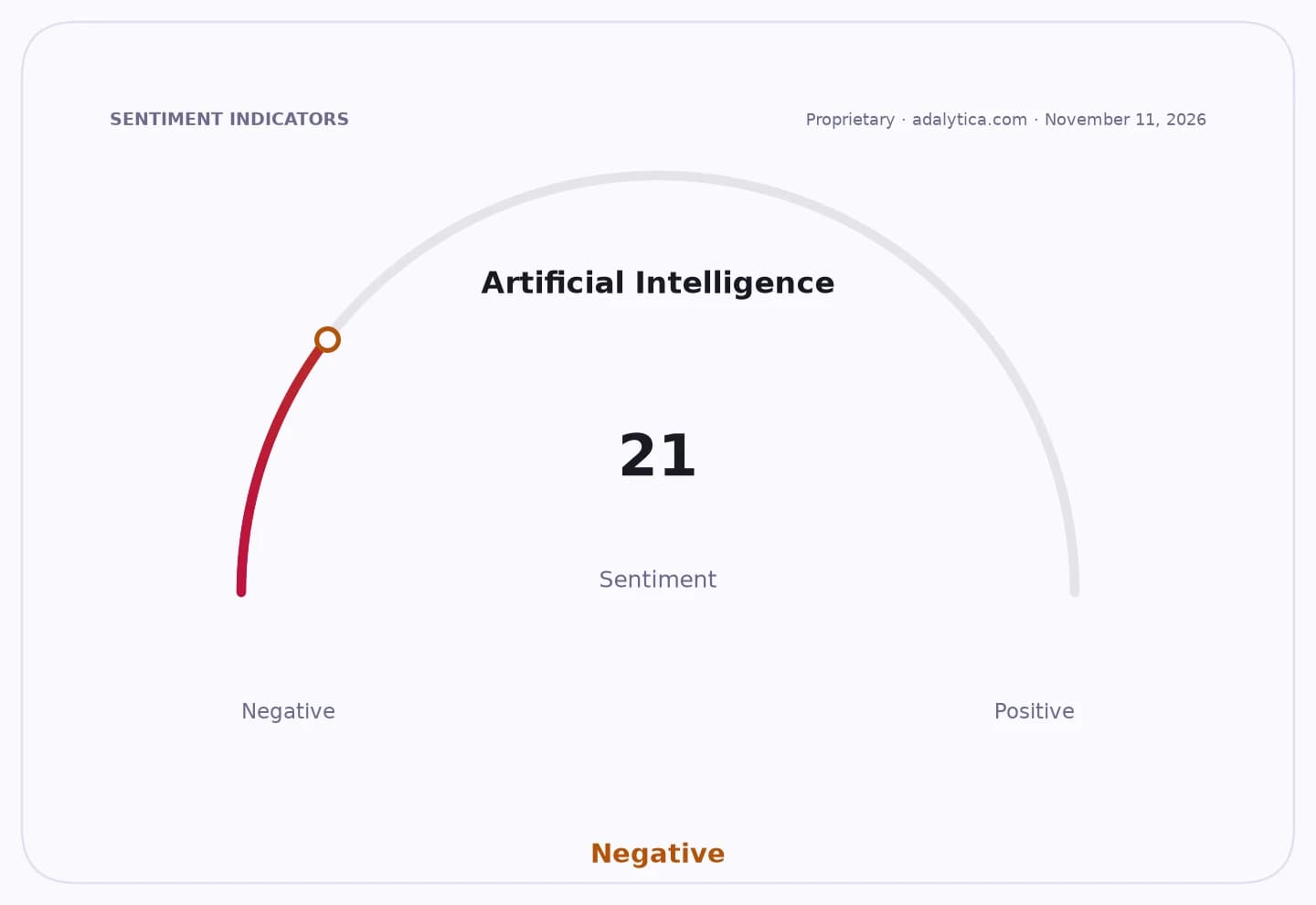
AI adoption in Japan’s two biggest human resources markets was only 8.4% in 2025, but a new survey by Yano Research Institute shows staffing and white-collar placement companies expect that ratio to rise as they push to use AI more widely in recruiting and candidate matching.
Japan HR AI adoption at 8.4% in 2025
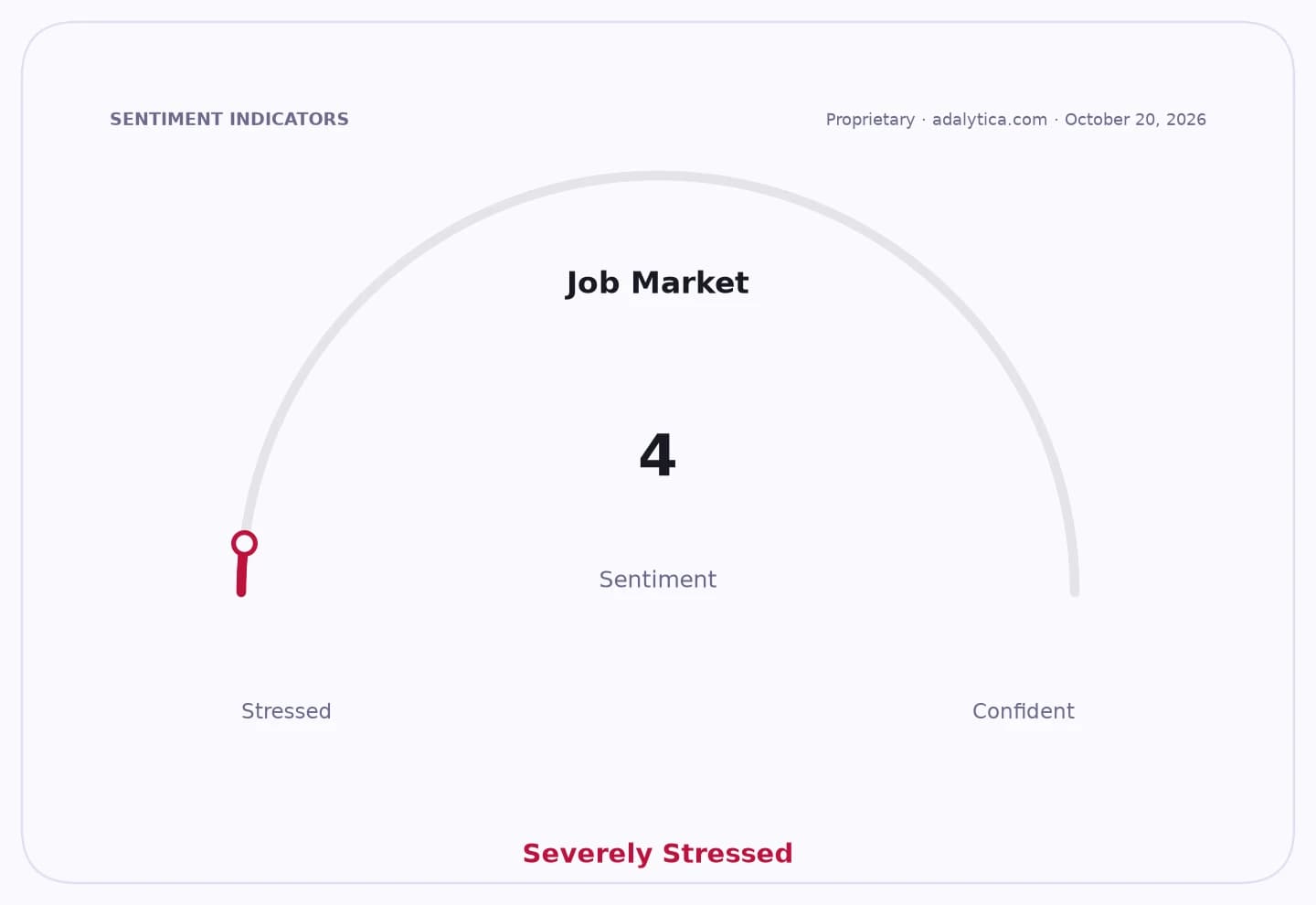
Job Market
That matters because the HR industry sits at the front line of Japan’s labor shortage, where faster screening, matching and back-office automation can lift productivity even as it raises concerns about job displacement and lower fee income for agencies built on manual placement work.
Sentiment Indicators
Yano said it surveyed corporate users in the domestic temporary staffing market and the white-collar recruitment market, then analyzed current adoption, challenges and the outlook for AI use. The research firm said both industries have a strong appetite to deploy AI going forward, suggesting the current penetration rate is likely to climb from a low base.
The timing underscores a broader shift across the labor market: companies are under pressure to do more with fewer workers, while job seekers and employers are already using AI tools to improve applications, screening and communication. That has helped drive a new round of efficiency gains in HR services, but it also raises the risk that some repetitive recruiting functions will be automated faster than firms can redeploy staff.
For listed labor and HR technology companies, the survey reinforces a split between winners that can sell AI-enabled workflow tools and losers that rely on labor-intensive service models. ADP, whose shares have been trading above both the 50-day and 200-day moving averages, has already been embedding generative AI deeper into client workflows, while smaller competitors may face pressure to invest more heavily to keep pace.
The survey also comes as markets are watching whether AI will add to corporate efficiency without eroding employment demand. If adoption accelerates in staffing and recruiting, investors will look for higher margins, faster placement times and stronger software subscription revenue — but also for signs that pricing pressure and automation could reshape the economics of the HR services sector.
| Entity | Gains | Losses |
|---|---|---|
| HR tech vendors | ▲Higher demand for AI tools | ▼Slower adopters |
| Staffing firms | ▲Faster matching, lower costs | ▼Labor-heavy agencies |
| Employers | ▲Quicker hiring, better productivity | ▼Legacy recruitment processes |
| Job seekers | ▲Faster application screening | ▼Manual intermediary roles |