Companies using artificial intelligence in hiring, promotions and scheduling are running into a sharper legal wall in Europe and beyond, even as the software they buy from Microsoft, Salesforce and other vendors becomes more capable. The issue is no longer whether AI can rank résumés or automate rosters, but which HR applications are legally off limits and how far employers can go before triggering GDPR, labor-law and high-risk AI obligations.
EU AI rules pressure HR software vendors
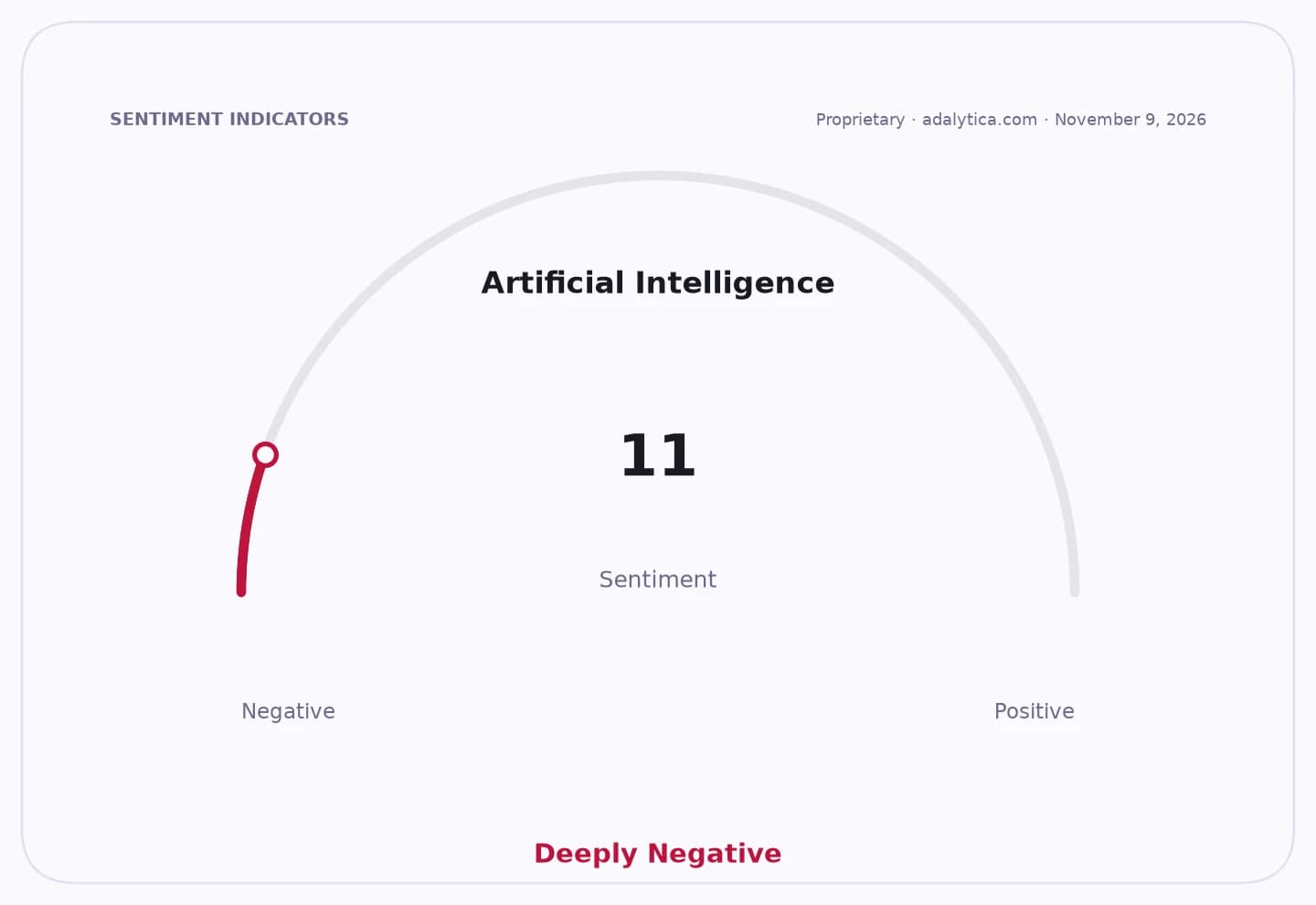
Artificial Intelligence
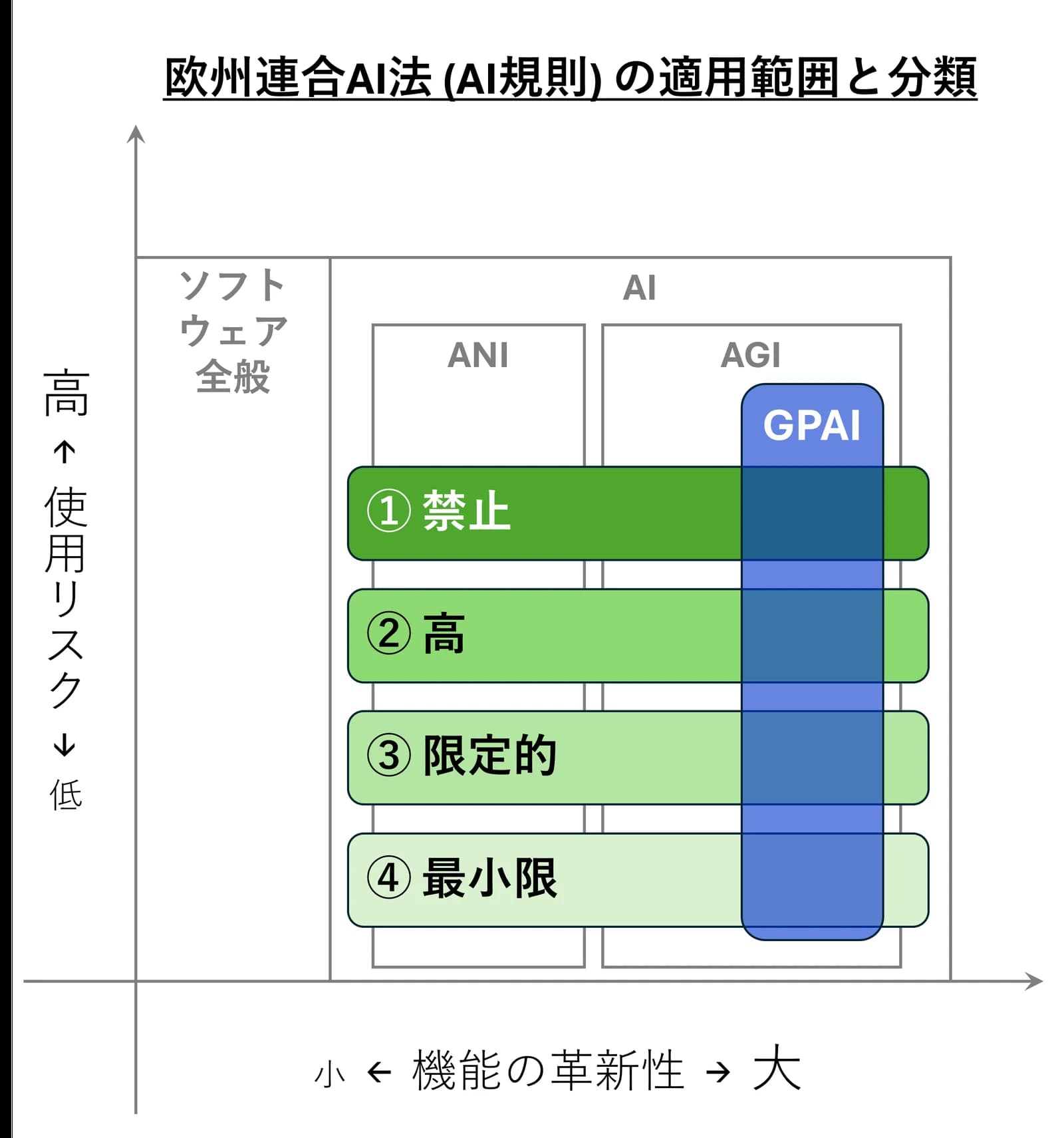
That matters because human resources is one of the most sensitive uses of AI in the workplace. Systems that screen candidates, recommend promotions or build work schedules can directly affect pay, access to jobs and career progression, putting employers squarely in the scope of the EU AI Act’s high-risk framework and existing data-protection rules. For companies, the compliance burden raises legal exposure, slows deployments and adds costs around documentation, oversight, audits and employee rights.
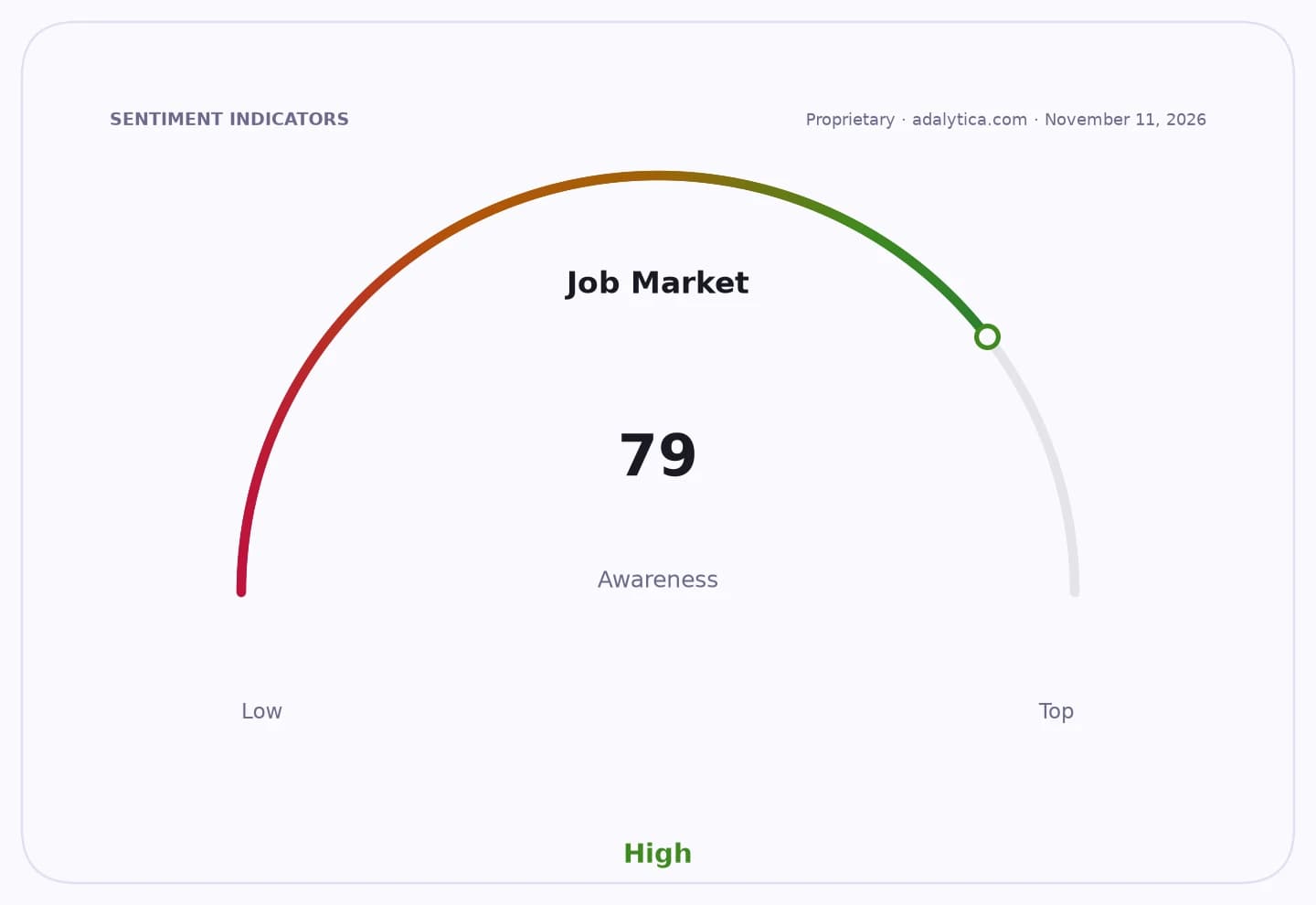
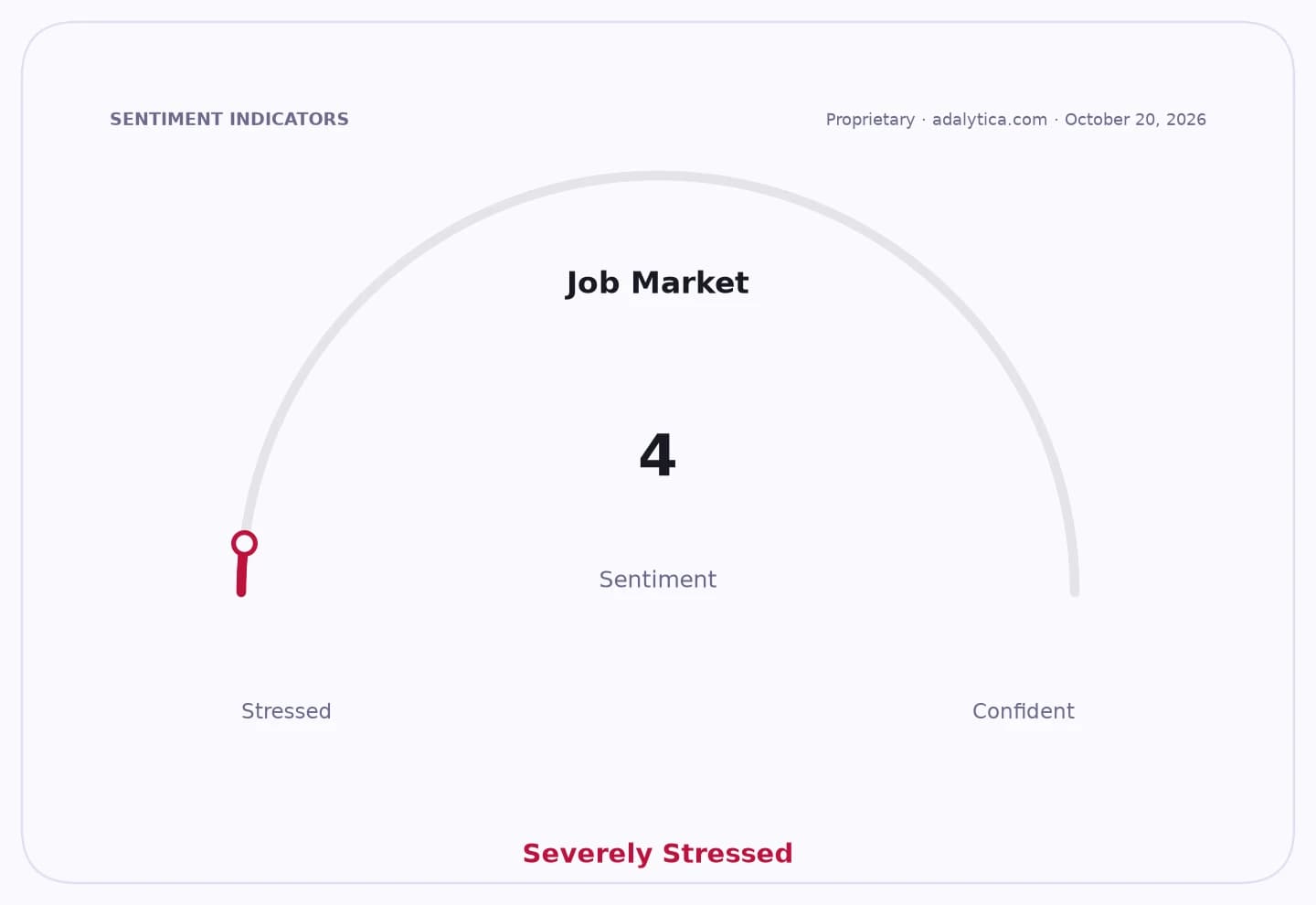
Sentiment Indicators
Investors are watching closely because the rules hit both buyers and sellers of enterprise software. Microsoft and Salesforce sell AI tools into HR and broader workflow automation markets, while ADP sits at the center of payroll and workforce management, where customer demand depends on trust and regulatory clarity. If employers move more cautiously on AI-driven HR, adoption could slow, but vendors that can prove compliance, governance and auditability may gain share.
The backdrop is a broader backlash against AI-linked job disruption. Microsoft has proposed a voluntary retirement plan affecting 60,000 employees, underscoring how quickly AI anxiety has spread through white-collar workforces. Reports of AI-driven cutbacks at companies such as Qantas and concern over civil-service job losses have added pressure on policymakers to define where automation ends and unlawful profiling or discrimination begins.
The market reaction has been mixed but telling. Microsoft shares recently traded around $533.16, above both the 50-day moving average at $517.80 and the 200-day average at $439.59, while Salesforce closed at $213.48, below its 50-day average of $237.70 but still above its 200-day average of $197.46. ADP finished at $305.44, near the top of its recent range and above both major moving averages, reflecting investors’ preference for firms that can turn regulatory complexity into sticky enterprise demand.
Technical indicators also suggest the market is still sorting winners from losers. Microsoft’s RSI was 50.1, a neutral reading, while Salesforce’s RSI sat at 26.5, a weaker level that points to lingering pressure. ADP’s RSI of 57.6 suggests steadier momentum as companies look for workforce software that can handle compliance without exposing them to AI risk.
For employers, the practical question is now operational: which AI tools in HR can be used, what disclosures are required, and where human review is mandatory. For investors, the next catalyst is whether regulators in the EU and other jurisdictions tighten enforcement, or whether companies accelerate spending on compliant HR automation as they try to avoid fines, lawsuits and reputational damage.
| Entity | Gains | Losses |
|---|---|---|
| ADP | ▲Compliance-led demand | ▼Manual HR process suppliers |
| Microsoft | ▲Demand for governed AI tools | ▼Unregulated AI vendors |
| Salesforce | ▲Workflow automation adoption | ▼Firms exposed to AI legal risk |
| Employers | ▲Better HR efficiency | ▼Higher legal and compliance costs |