AI is moving from a free-for-all experiment to a managed workplace tool, and that shift matters because the biggest winners will be the companies that can use it to lift productivity without triggering regulatory, legal or labor blowback.
AI workplace adoption shifts to training and oversight
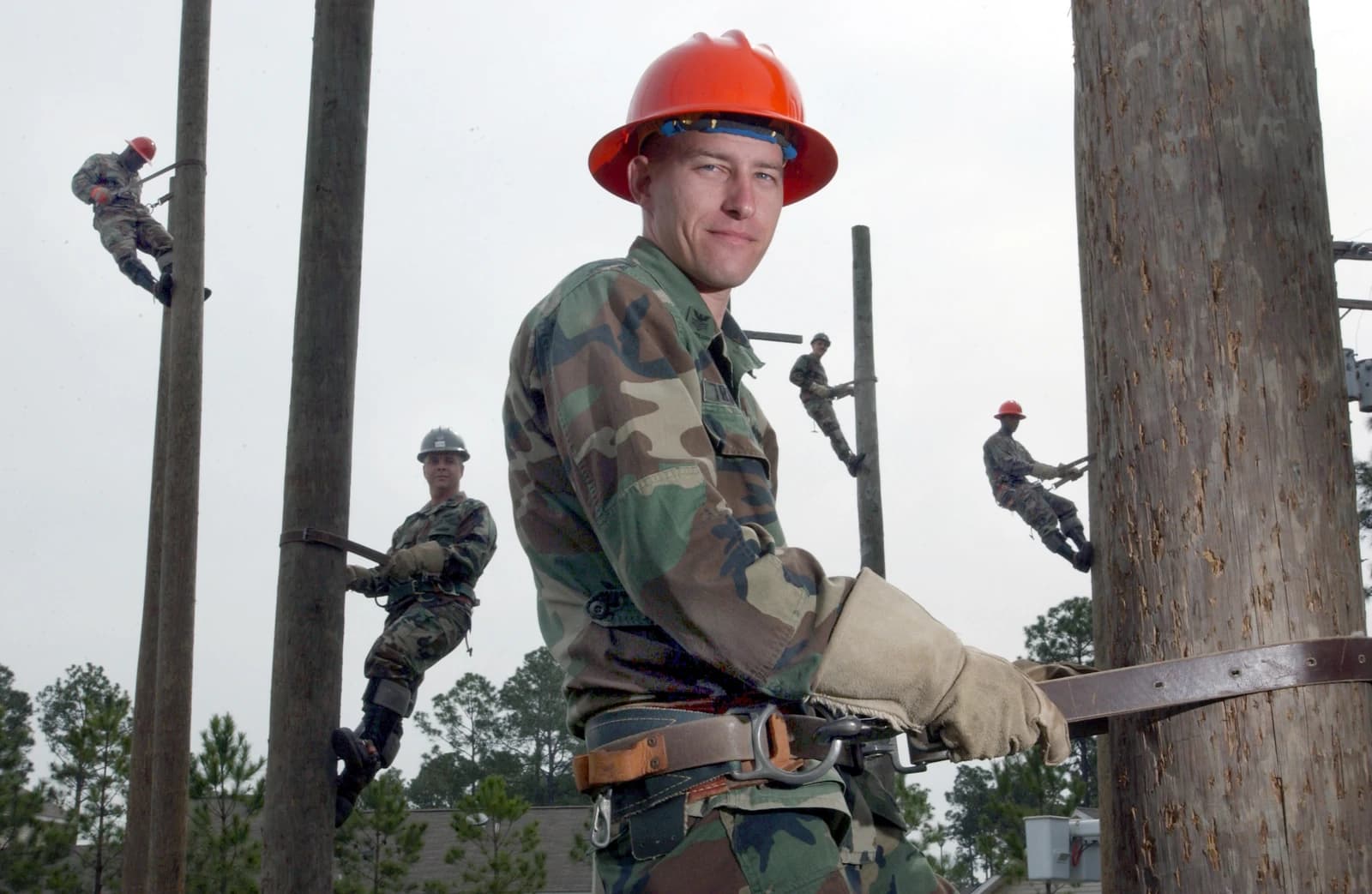
The clearest sign is that employers are now talking less about replacing people with algorithms and more about teaching workers how to use them. Chandra Asri Group’s Caliber 2026 event, aimed at helping young talent apply AI to industrial problems, fits a broader pattern: companies are being pushed to build AI skills into hiring, training and day-to-day decision-making rather than letting models run unchecked. That change is especially important for younger workers, who face the greatest risk of being displaced by automation in entry-level coding, analysis and back-office tasks.
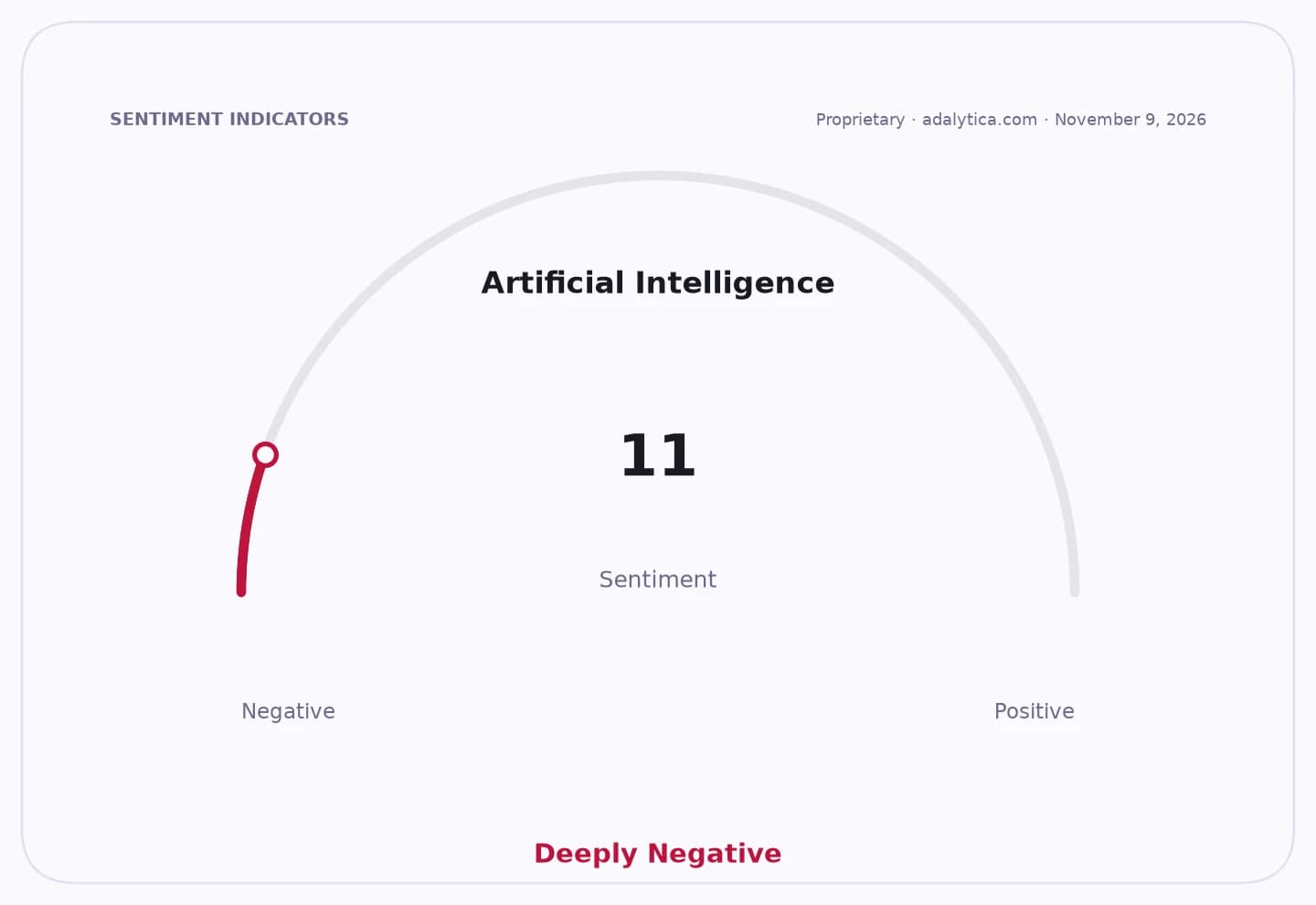
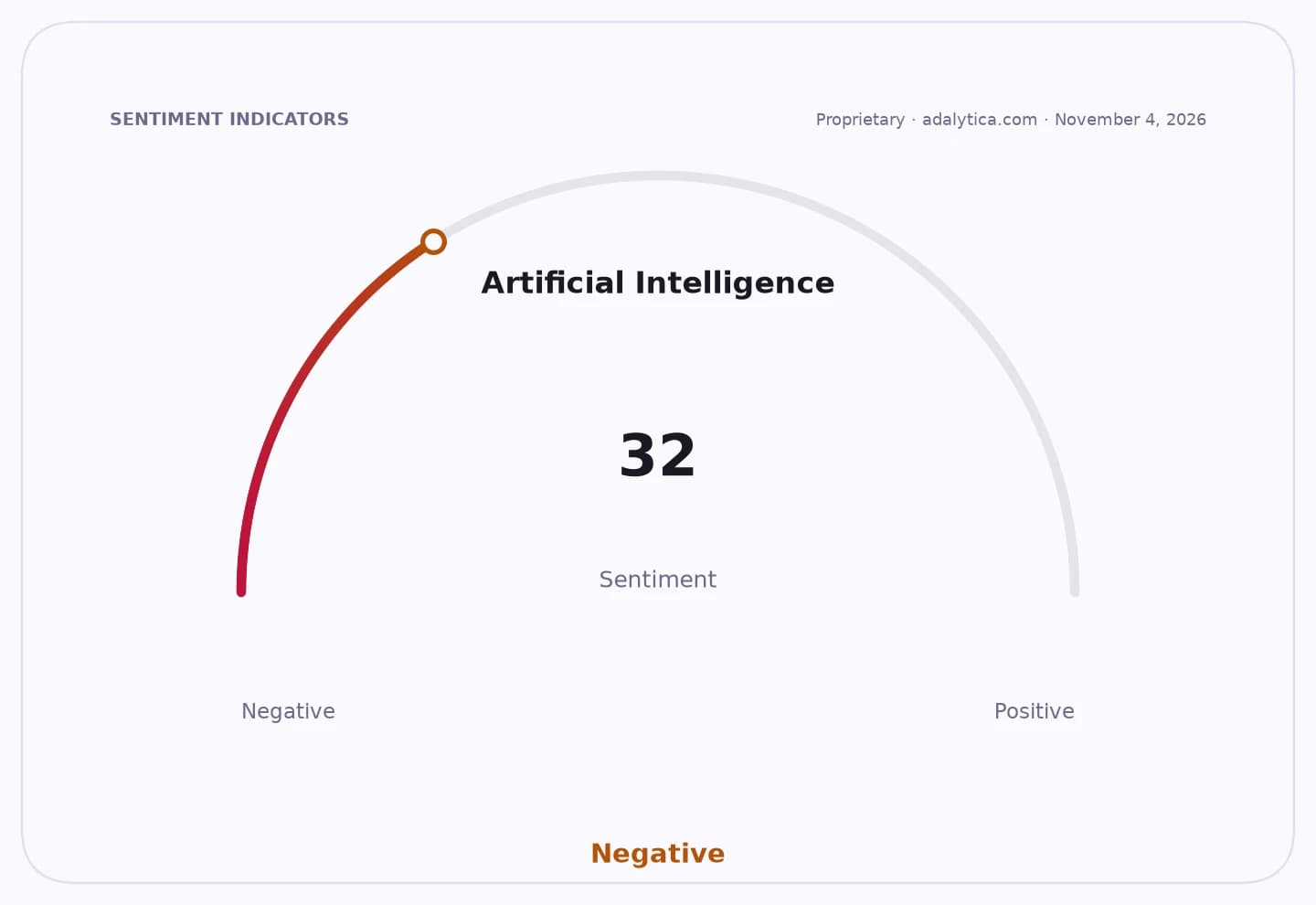
Sentiment Indicators
For investors, this is not just a social or human-resources story. It is about how quickly AI can turn into durable profit growth. Businesses that deploy AI well should be able to improve efficiency, speed up decision-making and stretch scarce labor further. But the companies that ignore governance, transparency and oversight could run into lawsuits, compliance costs and reputational damage. That is why the corporate winners are likely to be the firms that sell the tools, training and infrastructure around AI adoption, not necessarily the ones promising the fastest headcount cuts.
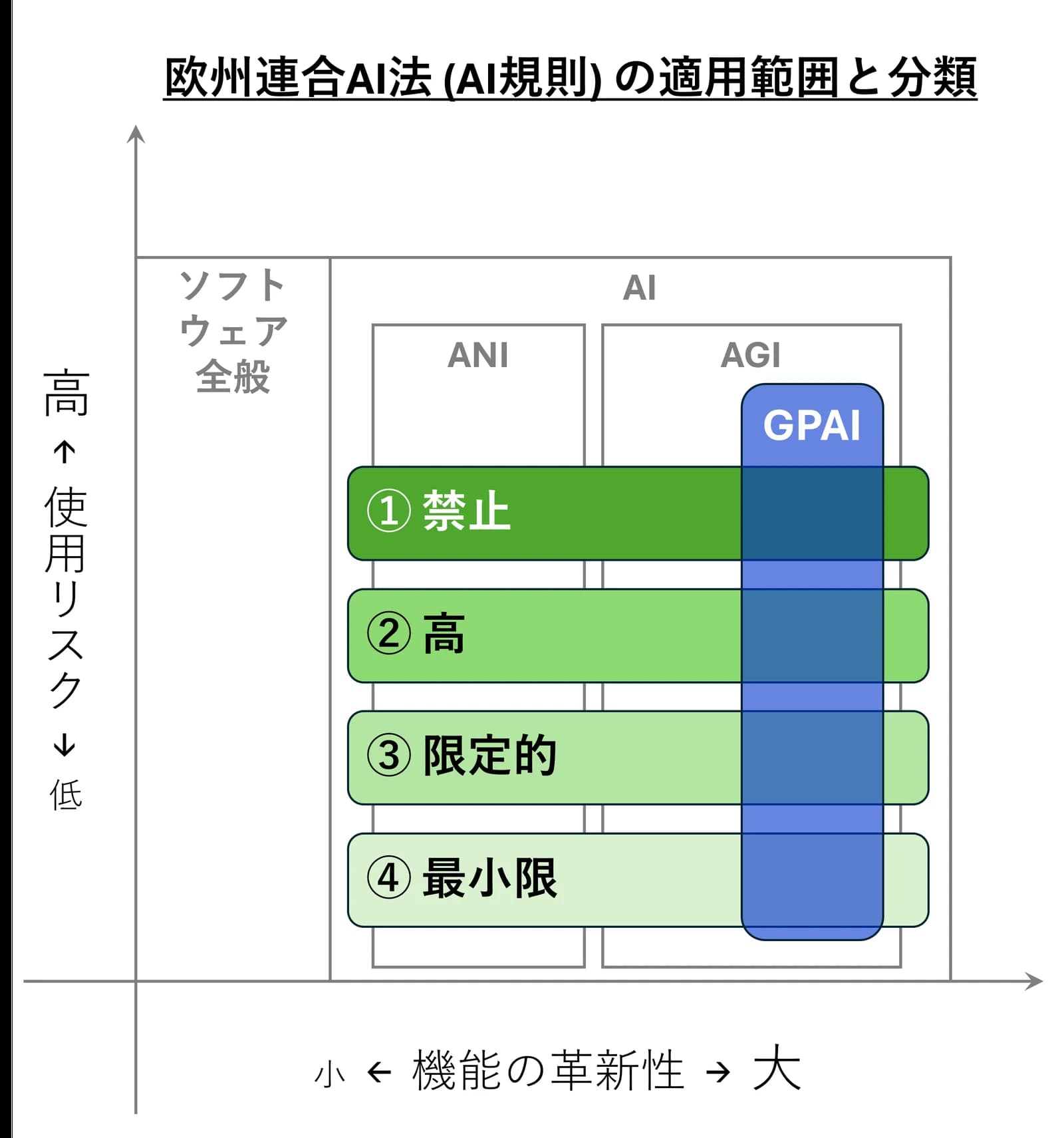
You can see that tension in the filings from some of the market’s biggest names. Microsoft and Apple both flag AI-related operational, legal and competitive risks in their latest reports, while Nvidia warns that governments are already considering restrictions on frontier AI hardware and software. ADP, which sits closer to the workplace than most chipmakers, says AI in HR and payroll introduces risks around accuracy, bias, privacy and discrimination — exactly the kinds of issues that are forcing employers to keep human oversight in the loop. In other words, AI is still powerful, but it is no longer being treated as something that can be deployed without guardrails.
That matters economically because labor is still one of the biggest costs in the corporate system. If companies can train workers to use AI responsibly, they may preserve jobs while boosting output. If they fail, the cost will show up in churn, unemployment, legal disputes and slower adoption. The broader economy also benefits when AI becomes a complement to workers rather than a blunt substitute, because that supports consumption, stability and long-term confidence in the technology.
The market message is equally clear: investors should focus on the long game. The best AI businesses are likely to be those with real moats, recurring revenue and the ability to navigate regulation — not just those with the loudest automation pitch. That makes the workplace transition around AI a key theme to watch over the next several years, especially for software, cloud, semiconductor and HR-tech names. For long-term investors, the opportunity is still enormous, but the new reality is that AI adoption will be judged as much by governance as by raw speed.
| Entity | Gains | Losses |
|---|---|---|
| Employers adopting AI training | ▲Higher productivity, fewer errors | ▼Slower rollout costs |
| Young workers | ▲New AI skills, better employability | ▼Greater pressure on entry-level jobs |
| Microsoft, Apple, ADP | ▲Safer enterprise AI demand | ▼Compliance and legal costs |
| Nvidia and AI hardware peers | ▲Continued AI infrastructure demand | ▼Export and regulation risk |