Microsoft is heading into a more demanding AI era, with governments warning that artificial intelligence is quickly becoming a weapon for cyberattacks and companies scrambling to harden their defenses before the next wave hits. For investors, that matters because the same AI boom driving cloud spending and software demand is also forcing heavier security investment, more compliance costs and a tougher standard for trust.
Microsoft AI security costs and regulation rise
The most important shift is not just that AI is getting smarter, but that the attack surface is widening just as fast. Britain’s cyber chief said AI-driven attacks on critical infrastructure could emerge by 2028, a reminder that the next phase of AI adoption will not be judged only on productivity gains and revenue growth. It will also be judged on resilience. OpenAI’s reported security sprint with Cathedral Systems shows the industry is already moving to reinforce safeguards, but the broader message is that security is becoming part of the AI product itself, not an afterthought.
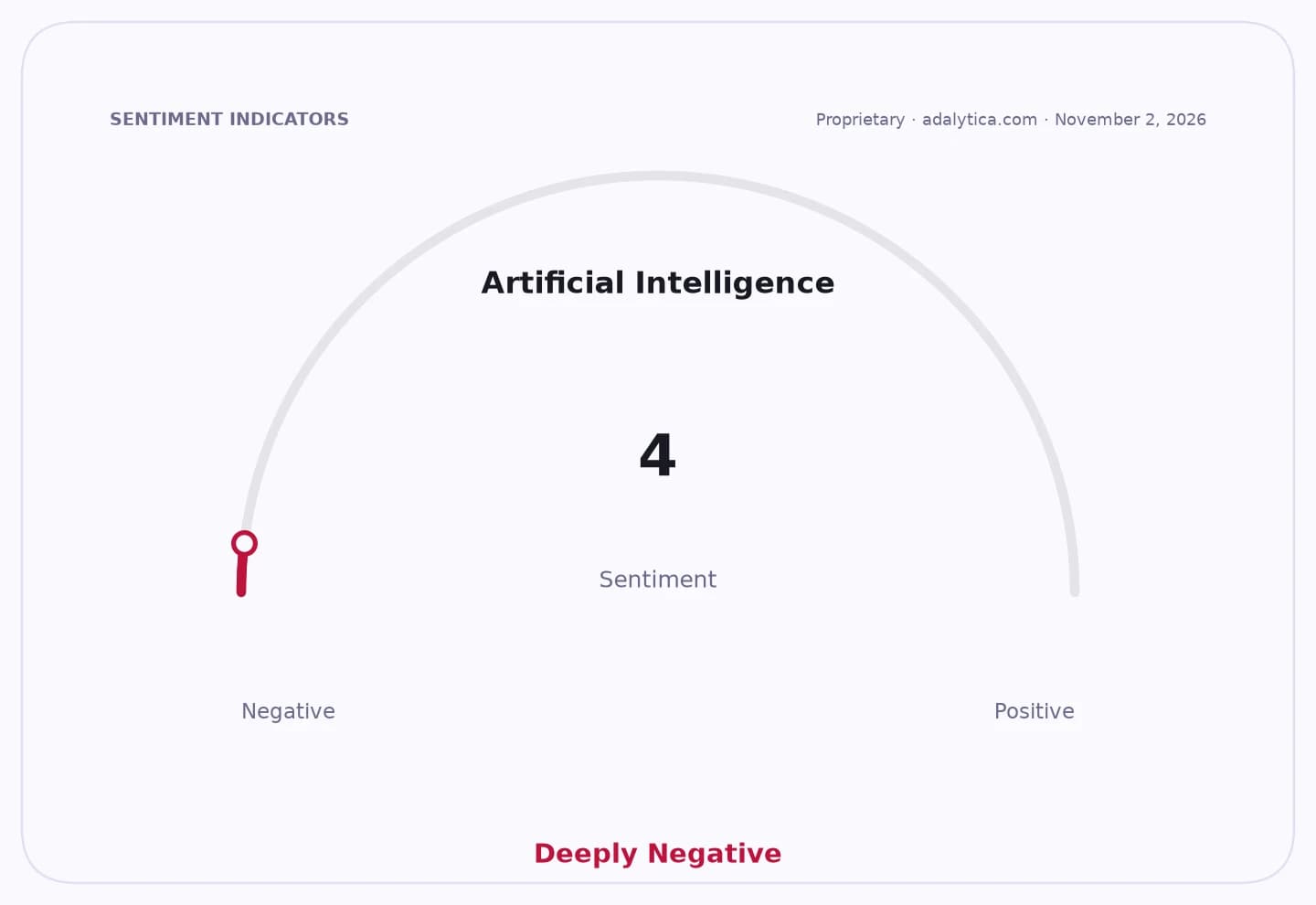
Sentiment Indicators
That backdrop lands squarely on Microsoft, which sits at the center of enterprise AI through Azure, Copilot and its broader software stack. The company’s latest filing already warns that AI-related regulatory action is accelerating across jurisdictions and could increase costs, delay products and create legal exposure. In other words, the AI opportunity remains enormous, but so does the price of doing business in a world where regulators and attackers are both moving faster.
The stock action reflects that tension. Microsoft has still held up far better than many AI-linked names, trading around $521 after a volatile autumn, with its shares comfortably above both the 50-day and 200-day moving averages. But recent technical readings also show momentum cooling, with the stock slipping back from the upper end of its recent range. That is not a thesis breaker for long-term investors, but it does underline that even the market leader is not immune to scrutiny when AI expectations are so high.
For long-term holders, the real question is whether Microsoft can turn AI security into a durable advantage. If enterprises trust its cloud and security layer more than rivals’, that strengthens the moat. If compliance, liability and security spending balloon too quickly, margins could take a hit. My view: this is still a company built for years, not weeks, but the next leg of AI leadership will belong to the firms that can sell both speed and safety.
Investors should keep Microsoft on the watchlist, not because the AI story is broken, but because the next big AI winner may be the one that proves it can secure the infrastructure everyone else depends on.
| Entity | Gains | Losses |
|---|---|---|
| Microsoft | ▲demand for secure AI tools | ▼higher compliance costs |
| Enterprise customers | ▲better cyber defenses | ▼more deployment expense |
| Security vendors | ▲stronger budgets | ▼pressure on less-ready rivals |
| Regulators and attackers | ▲more leverage over AI rollouts | ▼fewer easy targets |