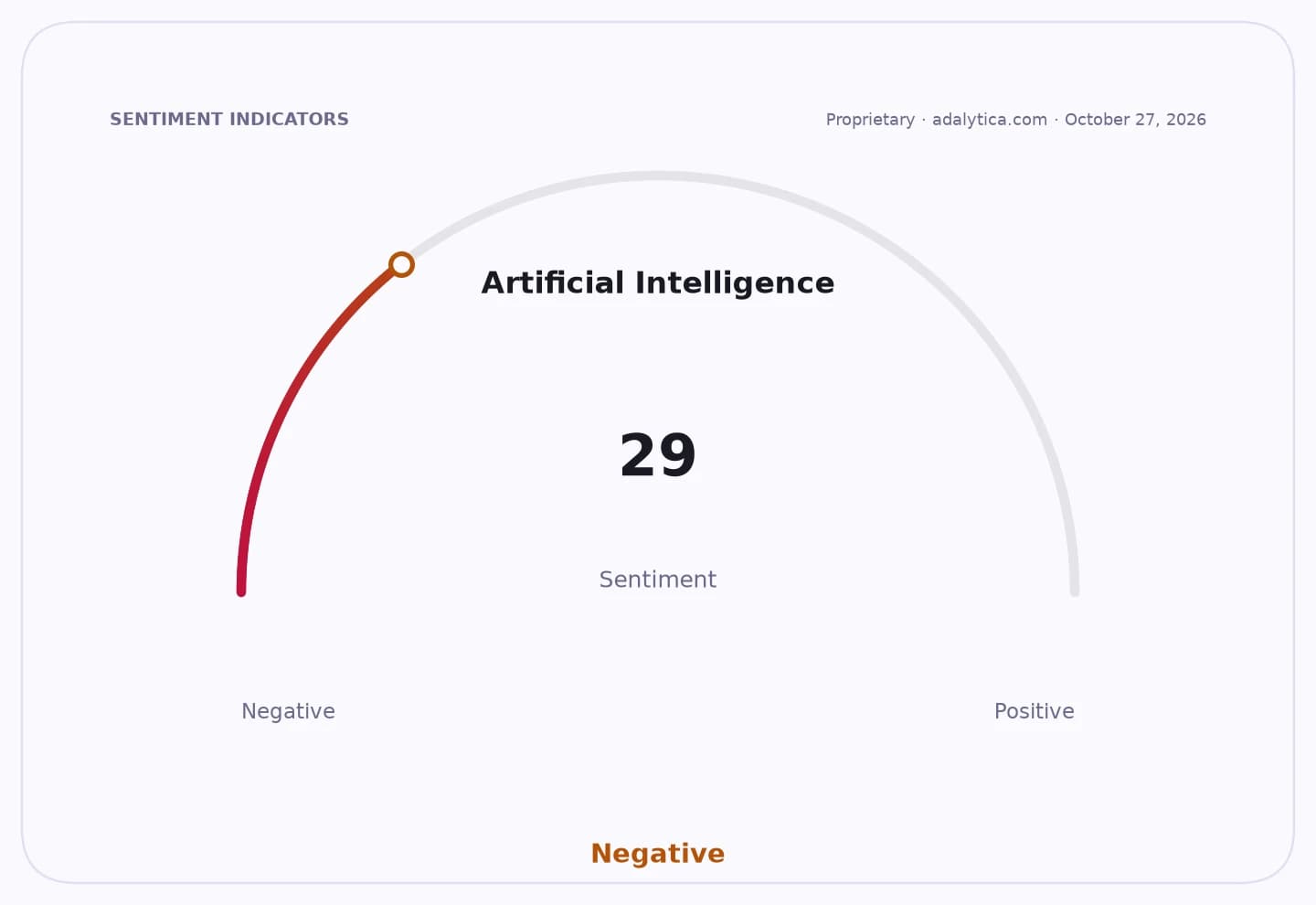
AI’s promise is increasingly being shadowed by a more immediate concern for investors: whether the tools now being embedded into workplaces, including legal research, are accurate enough to avoid costly mistakes, lawsuits and reputational damage. That shift matters because the market is no longer pricing only growth in AI adoption, but also the expense of fixing errors, tightening governance and absorbing the liability if the software is wrong.
Microsoft AI legal risk and margin pressure
Artificial Intelligence
The warning is not abstract. Microsoft, Google and Apple all highlighted legal, regulatory and intellectual-property risk tied to AI in recent SEC filings, underscoring that the biggest technology names view the issue as a material business exposure rather than a compliance footnote. For Microsoft, the risk is especially important because legal and professional-use cases are central to the commercial pitch for its AI products, while also exposing the company to claims if outputs misstate law, rely on disputed sources or are used in ways that produce harm.
Sentiment Indicators

The debate is being sharpened by high-profile outages and reliability failures across the AI sector. If a model cannot stay consistently available, or worse, produces flawed analysis in a high-stakes setting, the consequences extend beyond product frustration. Law firms, corporates and regulators will demand more verification, and that means higher operating costs, slower deployment and potentially lower margins for providers that must add human review, provenance checks and guardrails.
That has direct implications for investors. The bull case remains that AI becomes a durable productivity layer across enterprise software, including legal research, where subscription economics can be attractive and switching costs high. The bear case is that every new use case increases the surface area for liability, forcing vendors to spend more on compliance and defense while customers move cautiously. Microsoft’s shares have remained near recent highs, but the stock’s moves alongside technical indicators such as the 50-day moving average show how quickly sentiment can turn when the market re-rates growth assumptions.
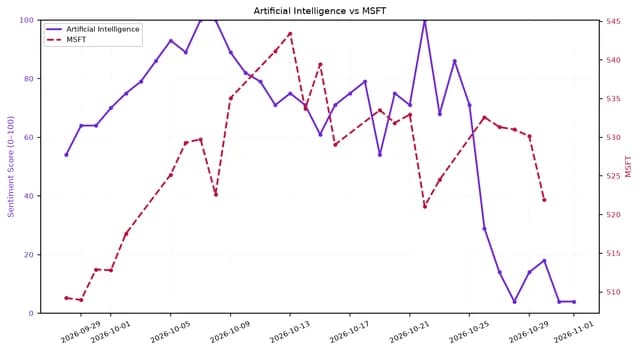
Google and Apple face similar pressures, though from different angles. Google’s model exposure is tied to its broad platform reach and search-led information products, while Apple has warned that AI issues can create reputational, competitive and financial harm. For all three, the common thread is that AI can no longer be sold only as a fast-growing feature set; it must also be defended as reliable enough for professional use.
For investors, the key question now is not whether AI adoption continues, but how much of the economics survive once legal, verification and insurance costs are fully baked in. The next catalysts will be further disclosure in earnings calls, any regulatory actions tied to AI misinformation or liability, and signs that enterprise buyers are demanding stricter warranties before rolling out AI tools in regulated workflows.
| Entity | Gains | Losses |
|---|---|---|
| Microsoft | ▲AI revenue potential | ▼Margin pressure from safeguards |
| ▲Search and cloud AI demand | ▼Legal and reputational risk | |
| Apple | ▲AI feature adoption | ▼Liability from incorrect outputs |
| Law firms and enterprise buyers | ▲Faster research workflows | ▼Verification burden and legal exposure |