Young people are more worried about applying to the labor market than people in their fifties, even though the evidence still suggests artificial intelligence is changing hiring more through caution than mass layoffs.
Czech Firms Slow Hiring as AI Anxiety Rises
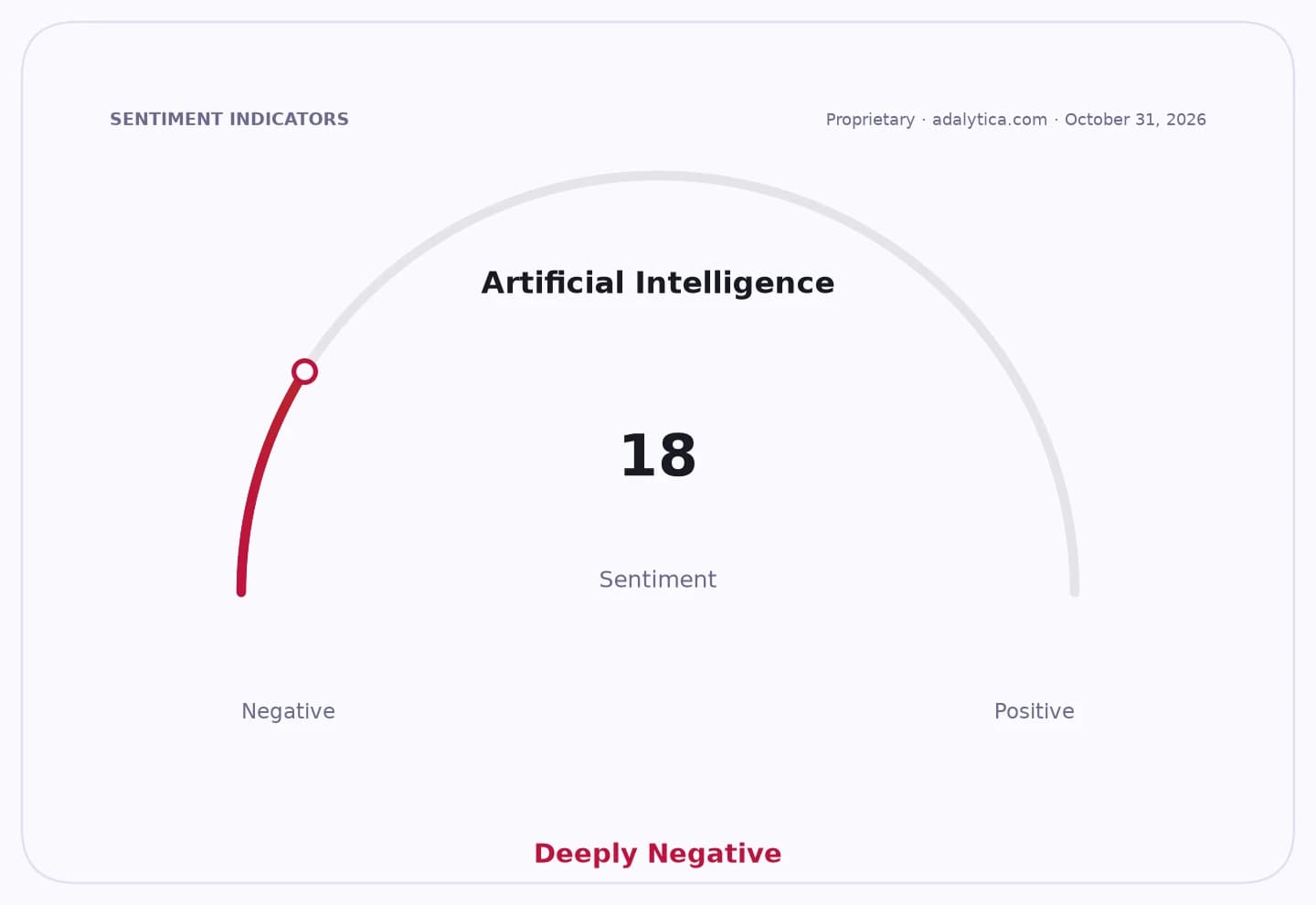
Artificial Intelligence
That disconnect matters because labor-market anxiety can curb spending, delay job switches and shape wage demands long before AI displaces jobs at scale. In the Czech Republic, companies are not broadly firing workers; they are mainly slowing hiring, especially for younger applicants, according to the latest wave of the Index jistoty survey by Ipsos for BNP Paribas Cardif Pojišťovna.
Sentiment Indicators
The survey suggests the fear is already doing economic damage. If young adults believe entry-level jobs are disappearing, they are more likely to stay put, accept lower pay or step back from consumption. That can weaken labor mobility just as firms are trying to adapt to new technologies. It also creates a risk that AI becomes a psychological shock to the labor market before it becomes a measurable one.
The broader backdrop does not fully support the most alarmist claims. Czech firms, for now, are limiting recruitment rather than launching sweeping redundancies. That points to a classic early-cycle response to uncertainty: companies hold off on fresh hiring while they assess whether AI can automate routine tasks, lower headcount needs or simply improve productivity with the existing workforce.
Still, the survey reflects a wider global pattern. Workers often react to AI as an immediate employment threat even when actual displacement remains uneven and concentrated in specific functions. The anxiety is strongest among younger people because they typically face the most exposed jobs: internships, junior office roles, customer service and entry-level white-collar work. People in their fifties are less exposed to the first wave of hiring restraint and have more accumulated skills and tenure protection.
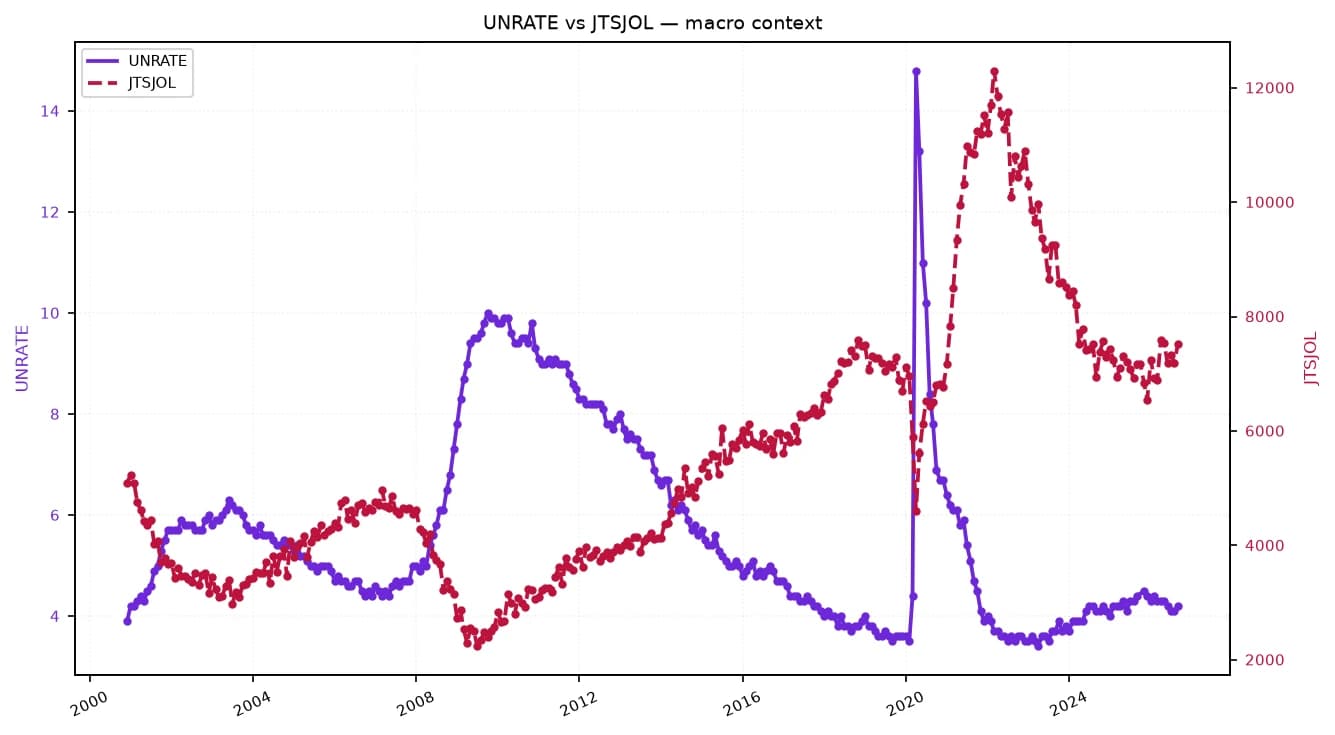
For investors, the importance is twofold. First, labor-market fear can weigh on consumer confidence and discretionary spending, particularly among younger households that are still building income and wealth. Second, it reinforces the idea that AI’s near-term market impact may show up less in headline unemployment and more in slower hiring, softer labor turnover and margin pressure in sectors with large white-collar workforces.
That is why the market has been watching AI beneficiaries and AI risk groups so closely. The conversation is no longer just about chip demand and software adoption; it is also about which employers can use AI to reduce future hiring needs without damaging productivity or employee morale. In that sense, the story is as much about labor psychology as it is about technology.
The key question for 2026 is whether these fears are temporary or become self-reinforcing. If firms continue to freeze junior hiring while AI investment accelerates, younger workers may face a weaker first rung on the career ladder even if broad unemployment remains contained. That would widen the gap between strong headline labor data and a more fragile entry-level job market.
| Entity | Gains | Losses |
|---|---|---|
| Employers adopting AI | ▲Lower hiring costs | ▼Higher workforce anxiety |
| Young job seekers | ▲More urgency to reskill | ▼Fewer entry-level openings |
| Older workers | ▲Relative job security | ▼Slower promotion pipeline |
| AI vendors | ▲Stronger adoption demand | ▼Scrutiny over job losses |