TotalEnergies has locked in a five-year liquefied natural gas supply agreement with ADNOC Gas, giving the French major a firmer foothold in one of the world’s most competitive fuel markets as long-term LNG contracting regains importance amid volatile prices and tighter supply.
TotalEnergies locks 5-year LNG supply deal with ADNOC Gas
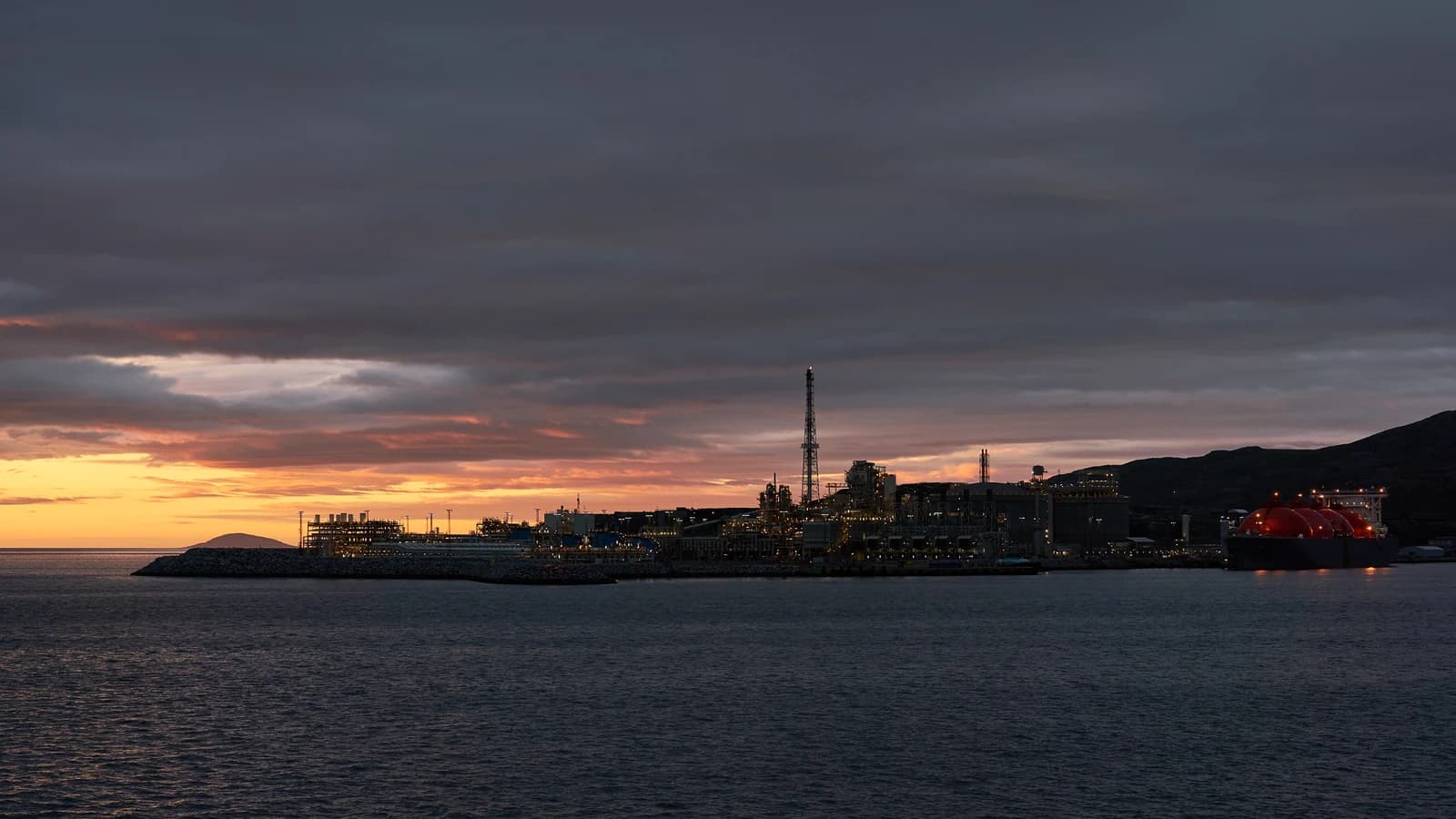
The deal covers up to 1.6 million tons of LNG, with first cargoes scheduled for 2026. For TotalEnergies, the contract strengthens access to Gulf supply routes linking Europe and Asia, a strategic advantage at a time when buyers are trying to secure volumes without chasing spot-market swings.
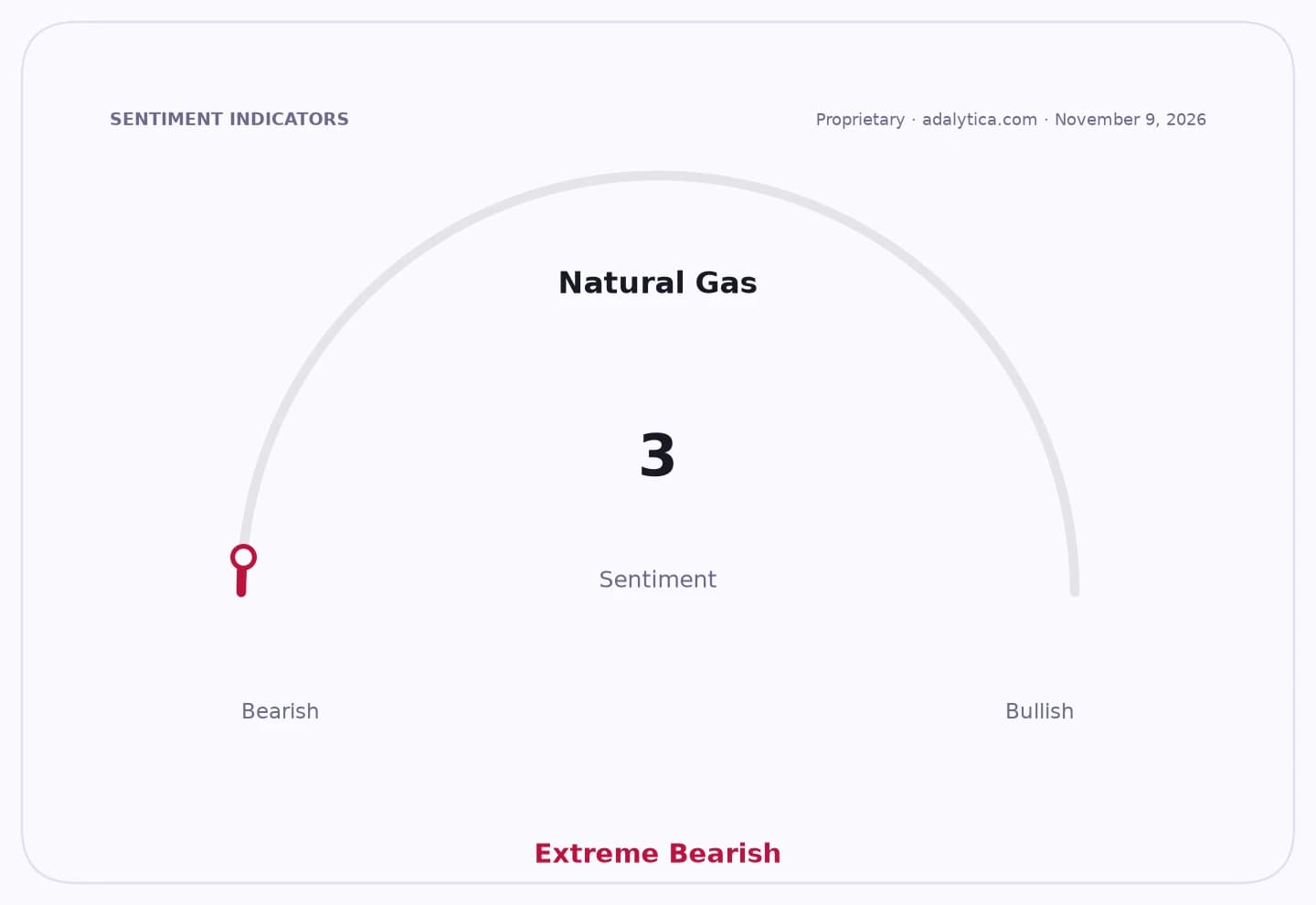
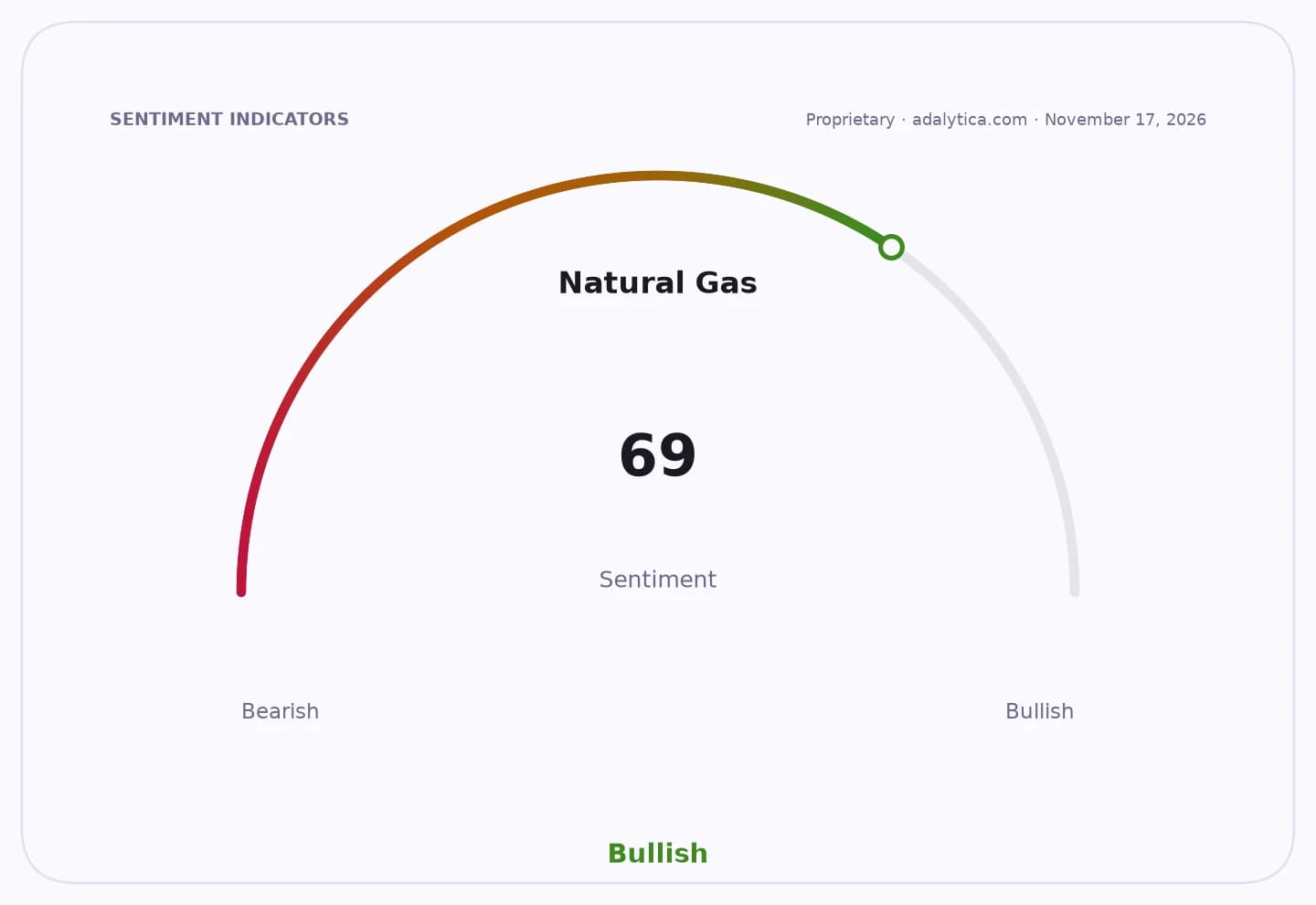
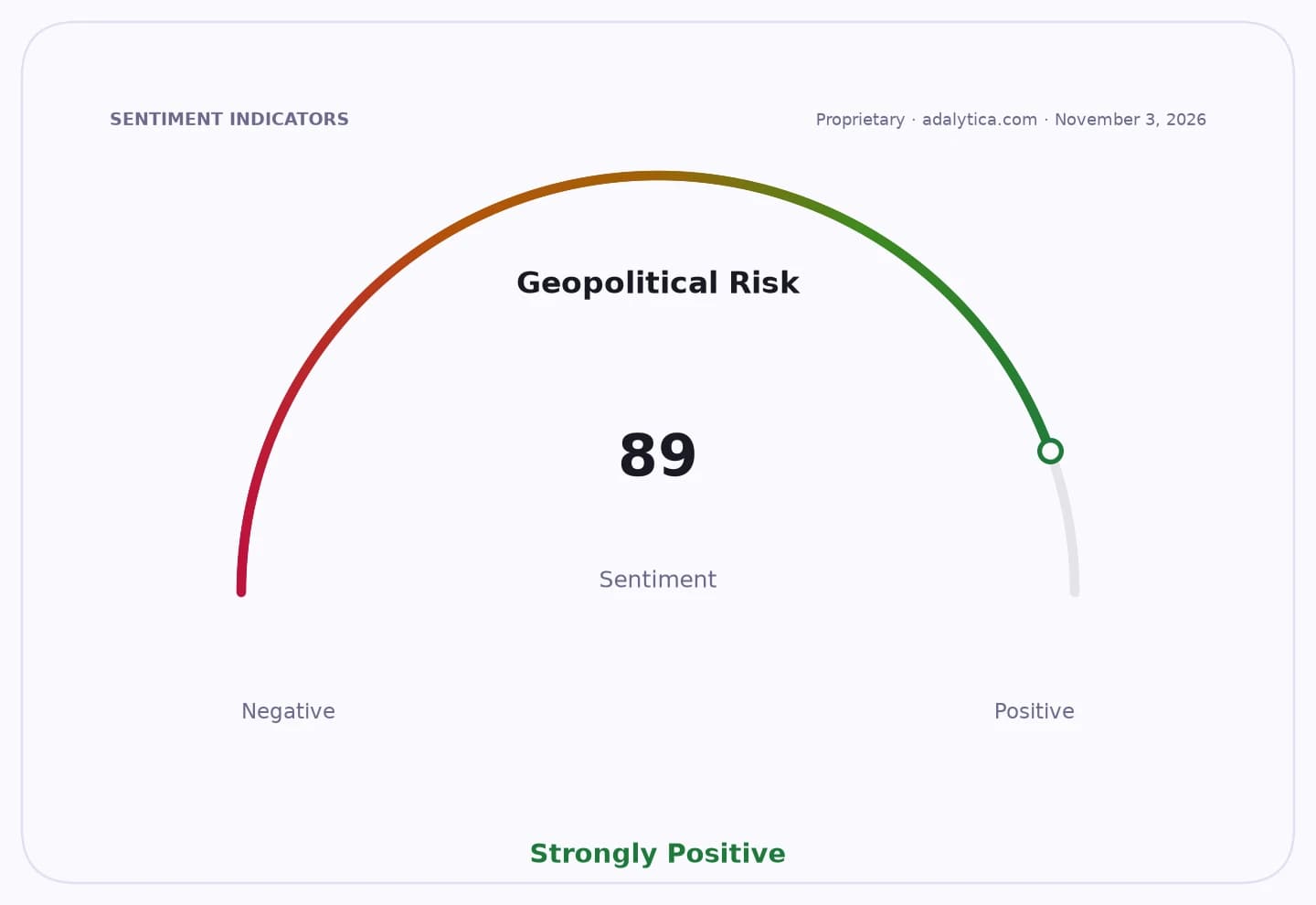
Sentiment Indicators

The agreement also underscores how national energy companies and global majors are leaning on long-dated contracts to insulate portfolios from market dislocation. LNG prices have been volatile as European storage needs, Middle East supply risks and weather disruptions continue to jolt trade flows, leaving importers more selective on cargoes and pricing.
For TotalEnergies, the supply pact fits a broader push to expand its LNG trading and marketing presence. The company has been positioning gas as a core transition fuel and using its global portfolio to tap both Asian demand growth and European energy security needs.
Investors are likely to view the contract as modestly supportive for supply visibility rather than a near-term earnings catalyst. TotalEnergies shares have remained above both their 50-day and 200-day moving averages, but recent trading has shown some consolidation after a strong run, while natural gas futures remain in a fragile range, reflecting the market’s caution around winter demand and geopolitical risk.
The key question now is how much of the contracted volume is priced on stable long-term terms and how TotalEnergies builds on the deal with additional LNG sourcing and shipping commitments over the next year.
| Entity | Gains | Losses |
|---|---|---|
| TotalEnergies | ▲Supply visibility | ▼Spot-price exposure |
| ADNOC Gas | ▲Long-term offtake | ▼Near-term flexibility |
| LNG buyers | ▲More secure volumes | ▼Less bargain leverage |
| Spot LNG market | ▲Lower volatility risk | ▼Fewer opportunistic cargoes |