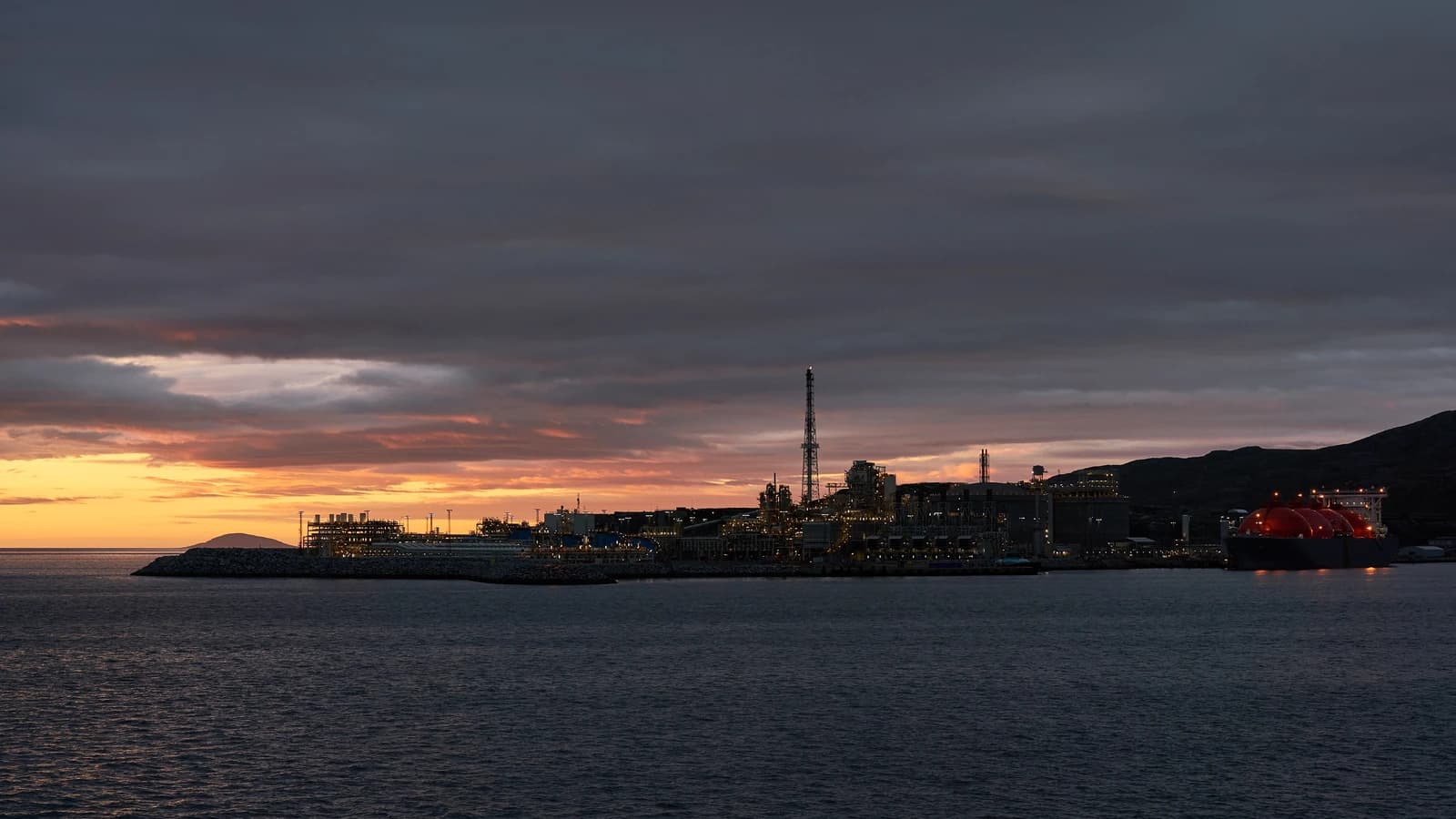
U.S. midstream operators are emerging as the clearest winners from the global LNG buildout, as long-term export contracts, record feedgas demand and rising geopolitical supply risk keep gas moving through pipelines, processing plants and export terminals.
U.S. Midstream Firms Benefit From LNG Buildout
That matters because midstream and MLP cash flows are largely tied to volumes, not commodity prices, so a bigger LNG export machine can translate into steadier fee-based revenue without the direct price exposure that hits producers and traders. With the U.S. benchmark crude near $98.20 a barrel and the 10-year Treasury yield around 4.83%-4.90%, investors are still hunting for yield and inflation-resistant income, which keeps the sector’s dividend case in focus.
Sentiment Indicators
Excelerate Energy’s 11-year LNG supply deal with AxDo Bahamas is the latest sign that capacity is being locked up well before new projects start flowing. The agreement supports a planned Bahamas LNG hub and highlights how buyers are increasingly willing to commit to multi-year contracts to secure supply, a model that benefits infrastructure owners and developers that can monetize long-duration demand.
The broader market backdrop is supportive for pipelines and gas-linked midstream names. Global LNG buyers are facing more volatility as geopolitical tensions threaten supply routes and Qatar output, while fears of prolonged shipping disruption through the Strait of Hormuz could add billions of dollars in costs to European imports. That kind of uncertainty tends to strengthen the case for contracted North American LNG and the pipeline network feeding it.
For the biggest U.S. midstream names, the opportunity is already showing up in operating trends. Enterprise Products Partners said ethane export volumes at its terminals rose 123,000 barrels per day period to period after the first phase of its Neches River export facility came into service in July 2025, while its natural gas processing revenues climbed in the latest nine-month period on stronger market values for NGL products. Williams and Kinder Morgan also remain closely tied to LNG growth through pipeline and terminal assets, with Williams’ shares slipping to $66.45 and Kinder Morgan’s to $30.57 on Nov. 9 after recent run-ups, even as both stay near their longer-term moving averages.
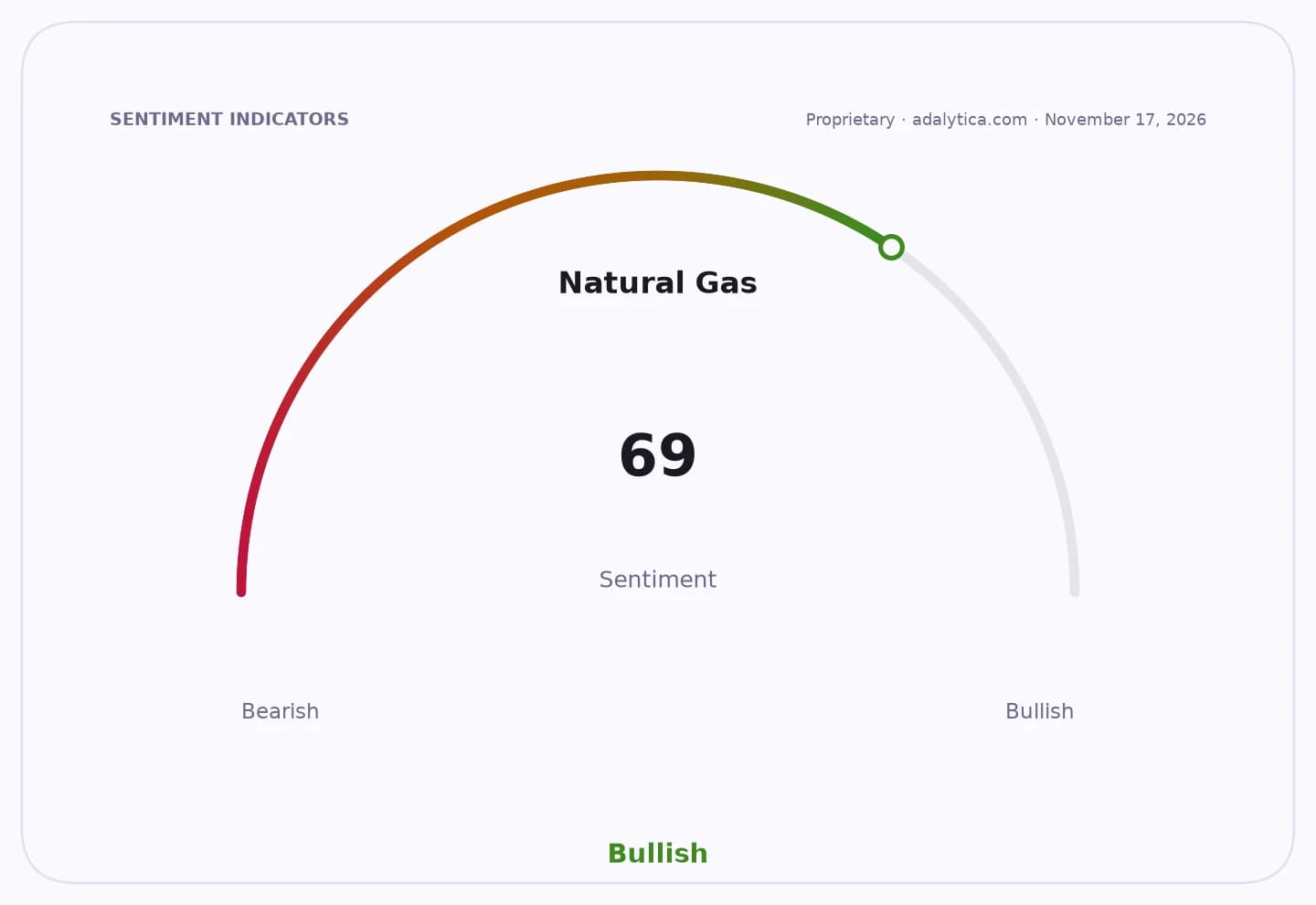
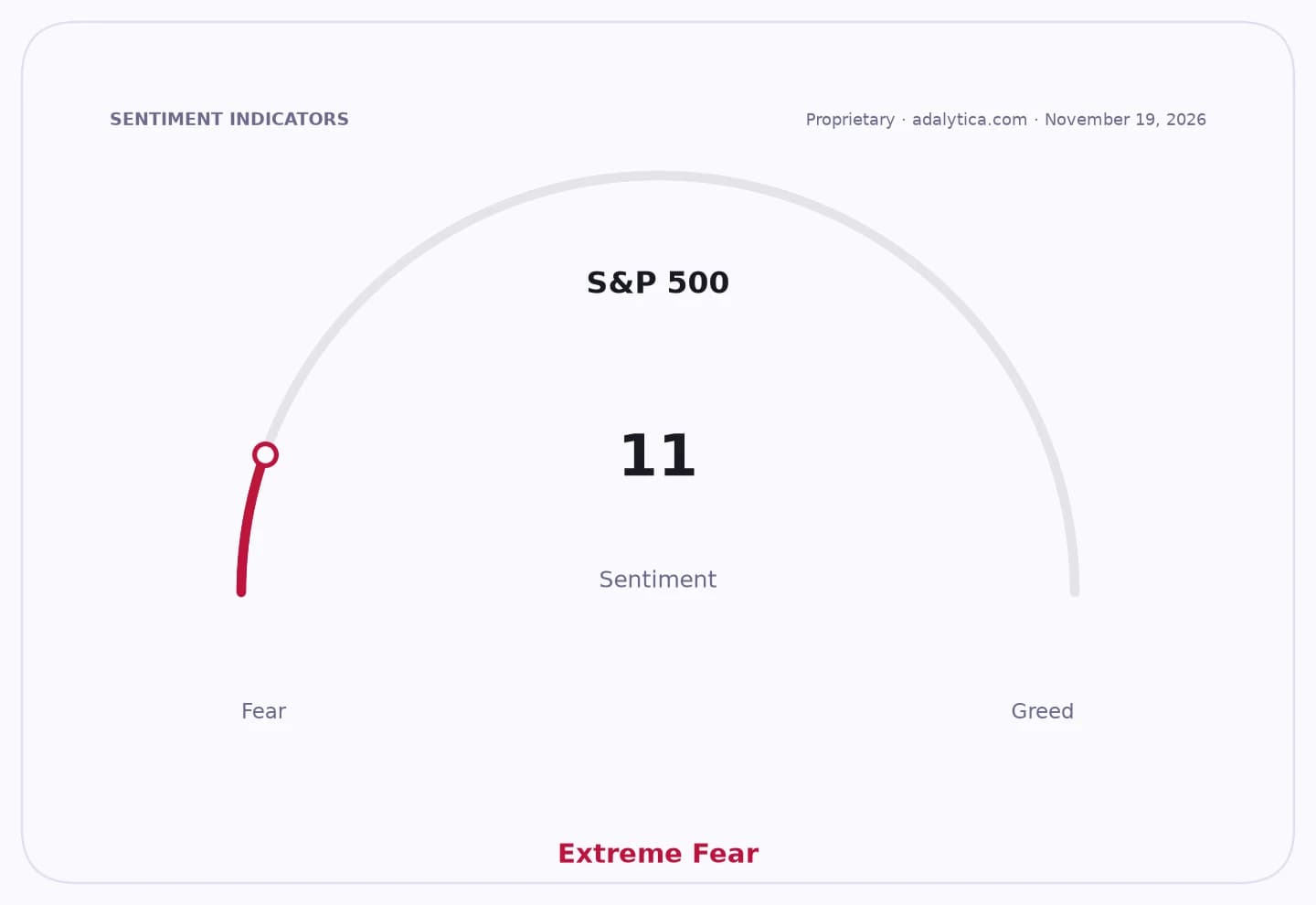
Energy sentiment gauges underscore the tension in the trade. Adalytica’s natural gas market signals show “Extreme Fear,” with sentiment at 13 and down 70% over 30 days, even as U.S. LNG feedgas demand has pushed to new highs. That gap suggests investors are wary of near-term gas-price swings, but the infrastructure owners collecting fees on export growth may be better insulated than commodity-linked producers.
The setup keeps the focus on contract wins, terminal expansions and winter demand as the next catalysts. If LNG exports keep rising and buyers keep signing long-dated deals, midstream MLPs with exposure to gas gathering, processing and export infrastructure should remain among the more durable beneficiaries in the energy complex.
| Entity | Gains | Losses |
|---|---|---|
| Midstream MLPs | ▲Higher fee-based volumes | ▼Less upside from spot prices |
| LNG exporters | ▲More contracted demand | ▼Greater project execution risk |
| LNG buyers | ▲Supply security | ▼Higher long-term costs |
| Spot gas traders | ▲Volatility opportunities | ▼Lower visibility |