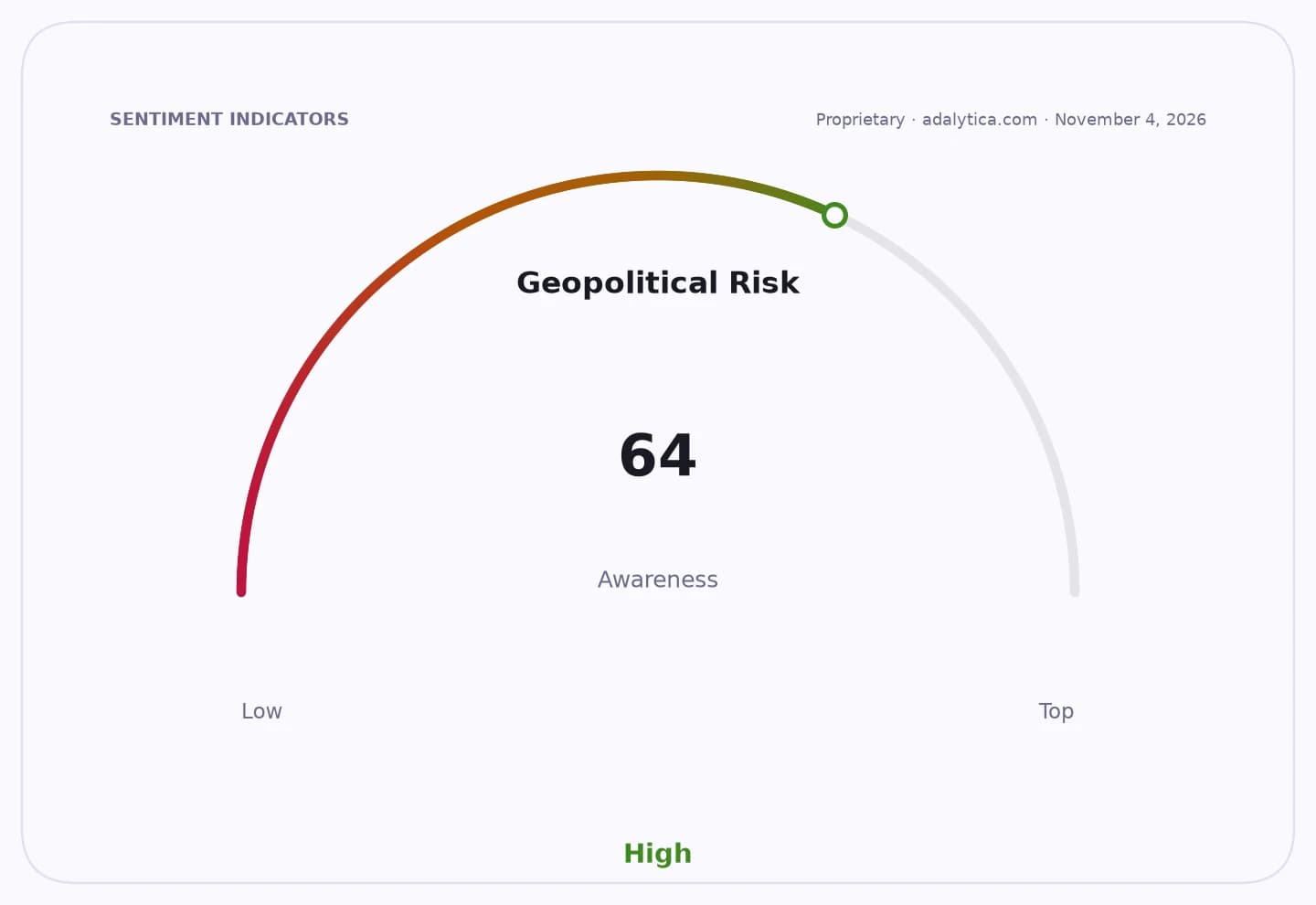
The Houthis said they launched drone and missile strikes on Riyadh’s King Khalid International Airport and Saudi Aramco facilities, reviving geopolitical risk around the world’s top crude exporter and threatening a fresh spike in oil prices if the attacks prove credible.
Houthi Claim on Saudi Oil Sites Raises Oil Risk
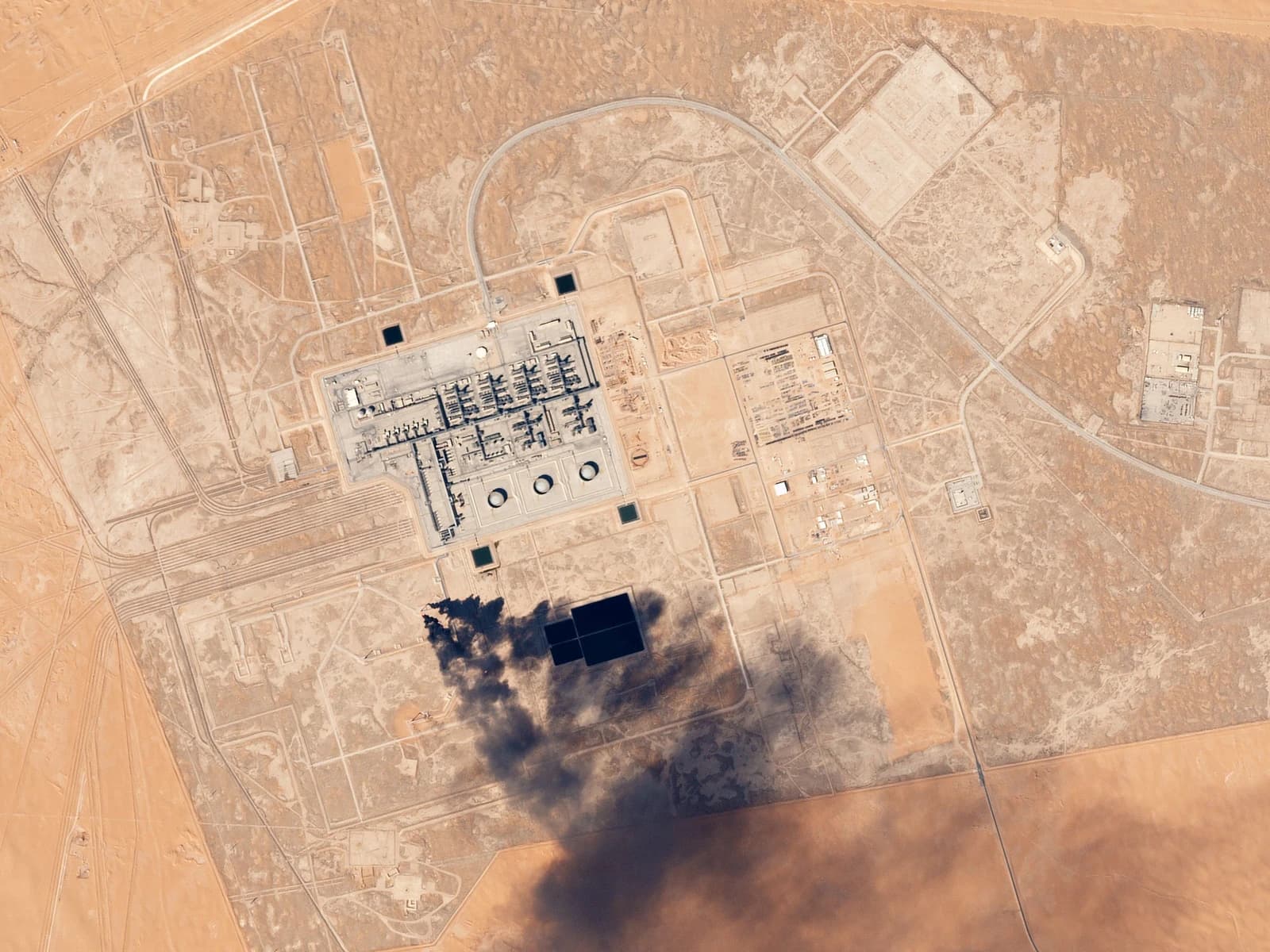
The Iran-backed group said the barrage also targeted oil storage and processing equipment in the Saudi capital, production sites in the Khurais field east of Riyadh and a pumping station near Ad-Dawadmi. Saudi authorities had not confirmed any strike on the airport, and there were no independent reports of damage or flight disruption at the time of publication.
Sentiment Indicators
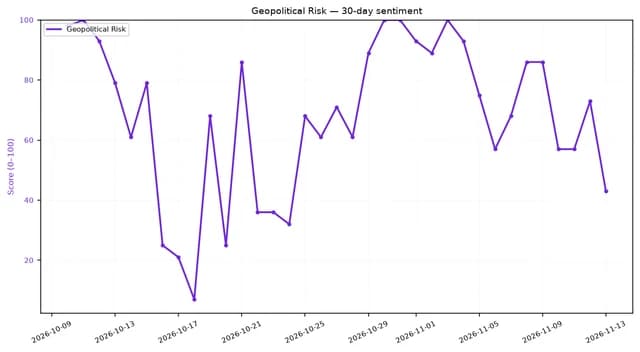
The timing matters for energy markets because Saudi Arabia has been leaning hard on output to steady global supply. The kingdom increased oil production by 26% in October, according to the market backdrop, while OPEC+ output has been moving back toward pre-war levels even as attacks on Saudi infrastructure and shipping lanes keep a risk premium embedded in crude.
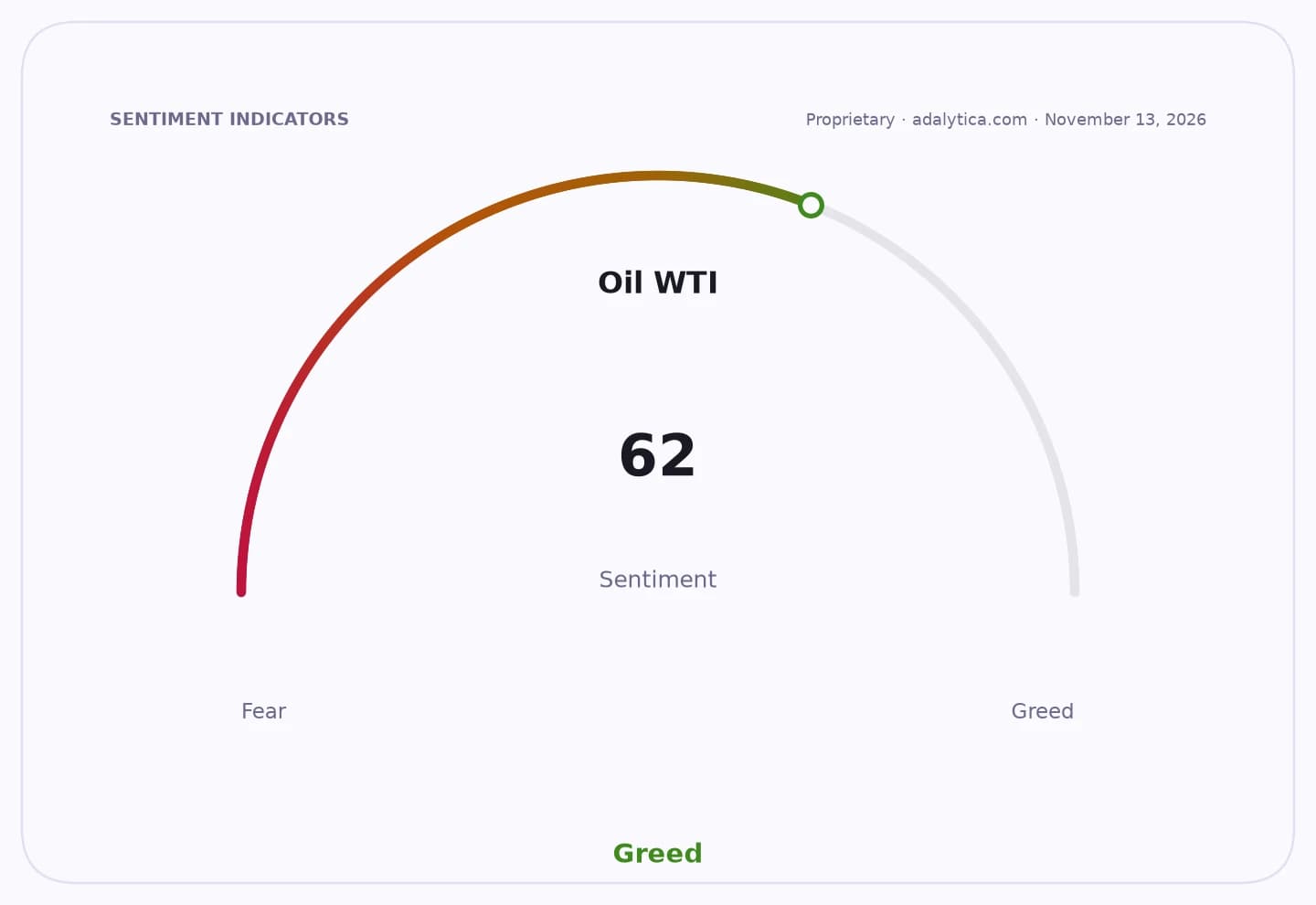
Oil traders are already on edge. WTI prices were forecast at $87.53 a barrel for Nov. 12 after settling at $89.62 on Nov. 11, and the United States Oil Fund has been volatile, closing at $145.58 on Nov. 13 after recent swings that left it below its 50-day moving average and with RSI readings in oversold territory. The broader energy sector has held up better than the market, but the latest Houthi claim could support refiners, producers and tanker-linked names if it intensifies fears over supply routes.
Oil WTI
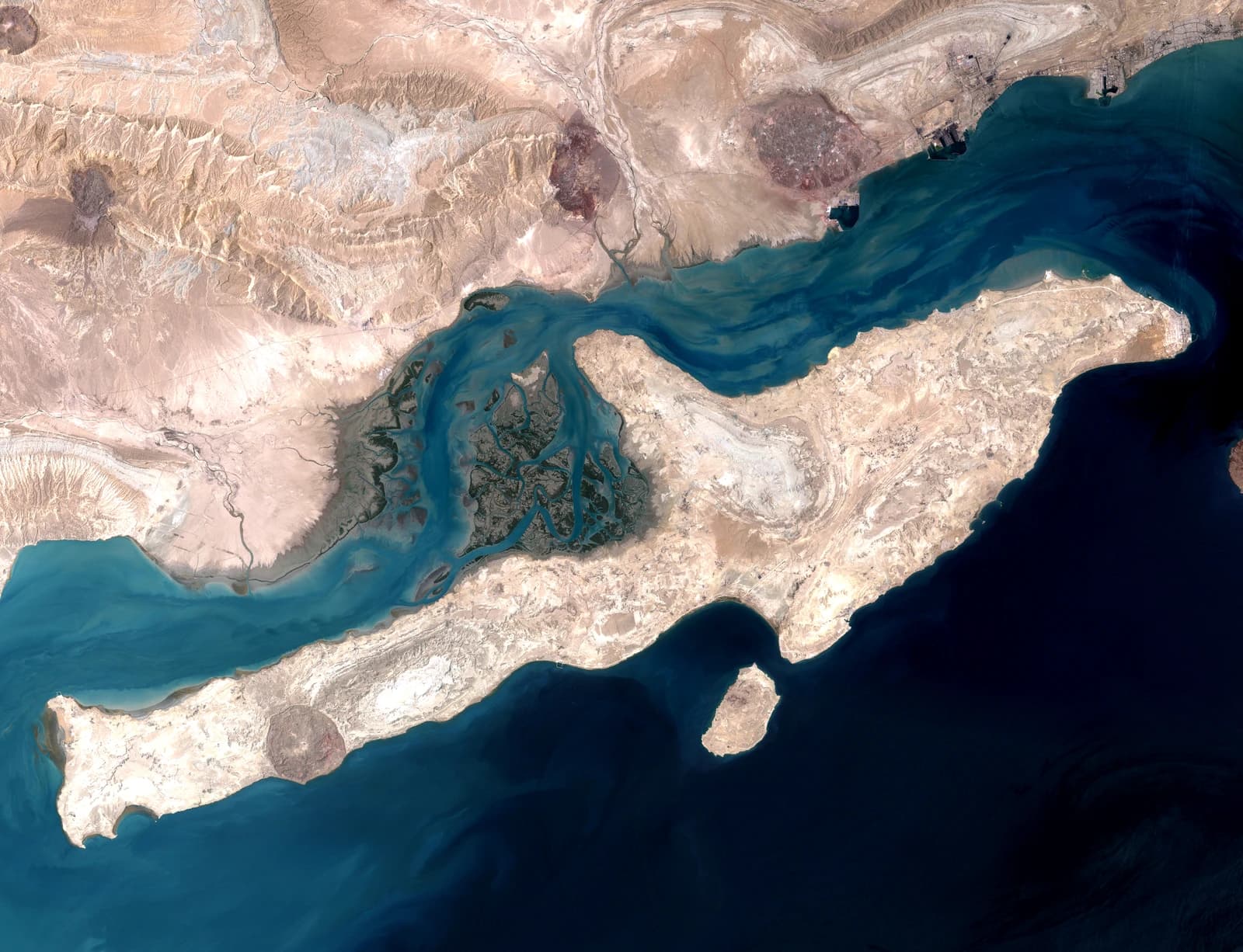
The statement also fits a broader pattern of pressure on Red Sea and Gulf traffic. The group said in related remarks that some shipping companies have begun seeking route approvals through the Red Sea, and that vessels have been given conditional clearances through its coordination center, a sign that commercial shipping remains vulnerable to blockade threats and longer diversions around Africa.
For investors, the immediate question is whether the claim is verified and whether Saudi facilities or aviation were actually hit. If confirmed, the risk is a quick repricing in Brent and WTI, firmer defense and energy shares, and renewed strain on airlines, shippers and importers exposed to higher fuel and freight costs.
| Entity | Gains | Losses |
|---|---|---|
| Oil producers | ▲Higher crude risk premium | ▼Consumers and refiners |
| Saudi Arabia | ▲Leverage on security response | ▼Energy infrastructure and aviation |
| Energy stocks | ▲Better pricing backdrop | ▼Fuel-intensive sectors |
| Shippers/airlines | ▲None | ▼Longer routes, higher costs |