China’s boycott of the Gwangju Biennale over the naming of a Taiwanese exhibition is a reminder that the Taiwan dispute is spilling into culture, diplomacy and business in ways that can unsettle regional relations and investor sentiment even outside security flashpoints.
China Boycotts Gwangju Biennale Over Taiwan Pavilion

The immediate issue is small on its face — a label on an art display — but it matters because Beijing is treating the use of “Taiwan Pavilion” as a political challenge to its “one China” stance. That makes the festival a test case for how far Chinese authorities and state-linked cultural figures are willing to push back when Taiwan is presented as separate from the mainland in international settings.
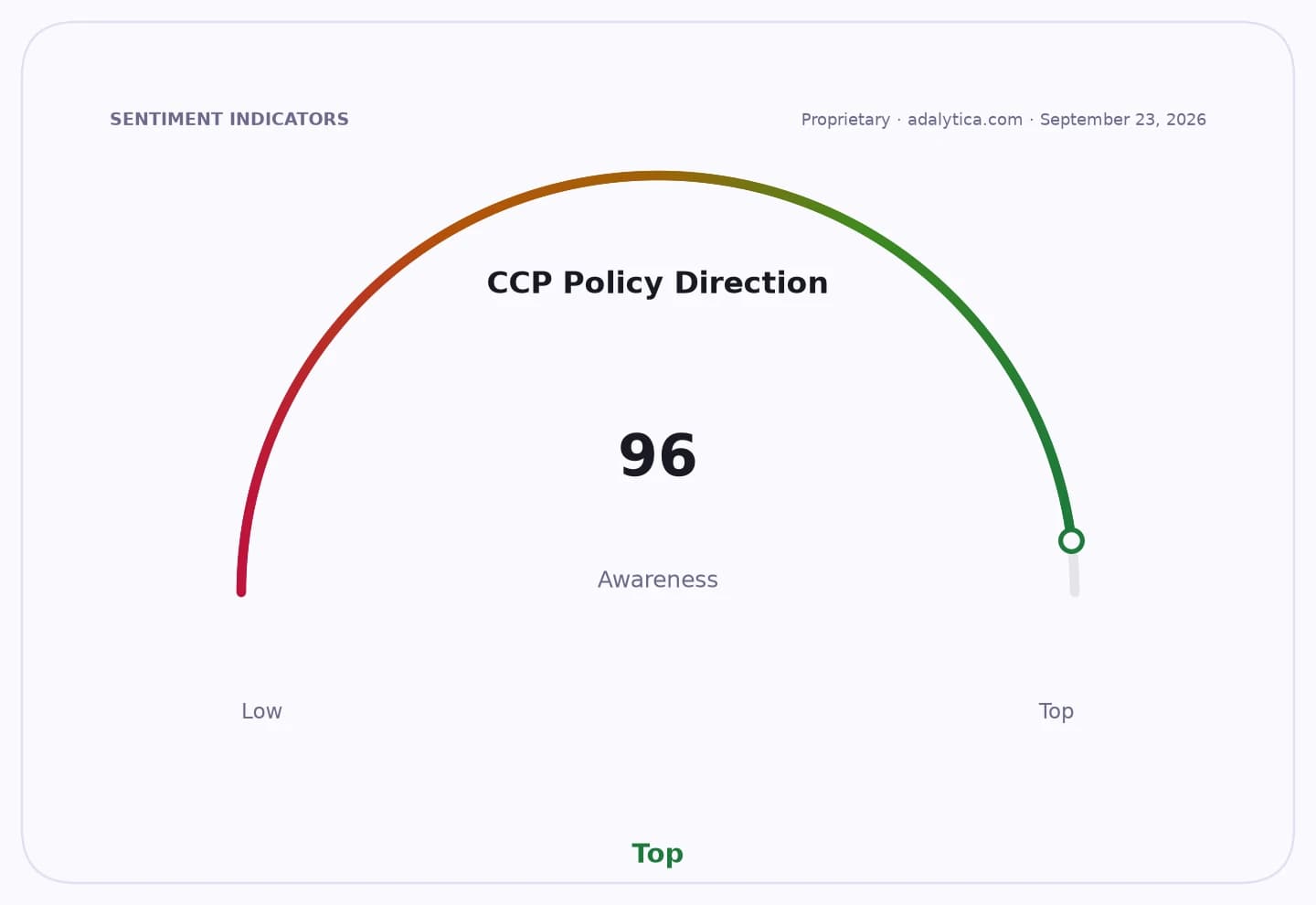
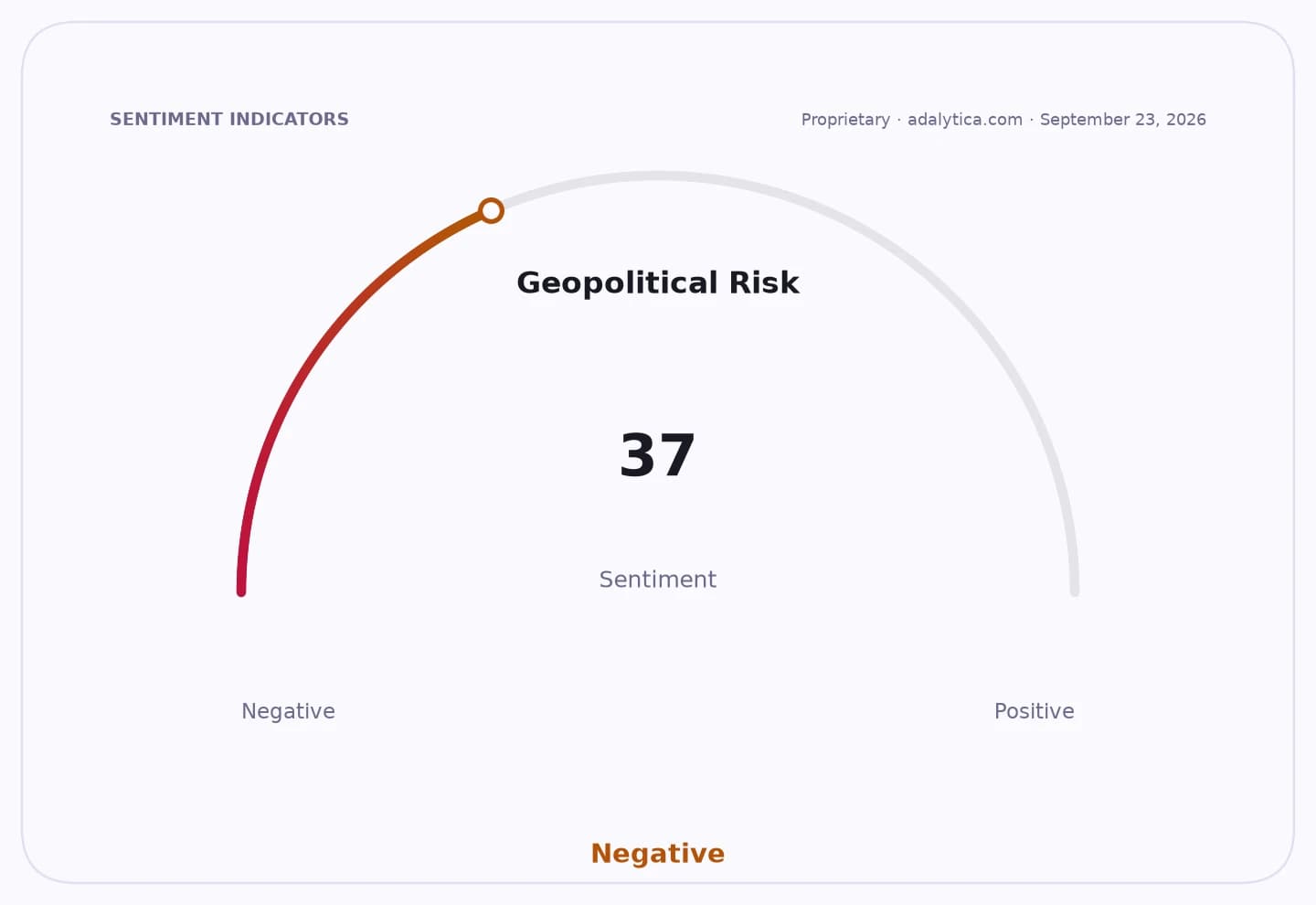
Sentiment IndicatorsⓘProprietary · adalytica.com · September 5, 2026
This is a snapshot — live sentiment, awareness and momentum for 130+ markets update continuously in the dashboard.Open AlphaPulse
Chinese curator Ruan Yuelai said the participating artists were withdrawing from the festival, which opens Saturday in South Korea and runs through mid-November, because they could not accept the naming decision. China’s foreign ministry backed the protest, saying the organizers had “stubbornly clung” to a designation incompatible with Taiwan’s status. The boycott was still unfolding on Friday, with Chinese participants yet to remove works originally intended for the “China Pavilion.”
For South Korea, the episode is awkward rather than economically material on its own, but it highlights the diplomatic balancing act facing President Lee Jae Myung’s government, which has said it wants better ties with China, South Korea’s largest trading partner. Seoul’s foreign ministry tried to contain the fallout by stressing the naming choice was made by a nongovernmental body, not the state. That response may limit immediate political damage, but it also underlines how easily a private cultural event can become a proxy for geopolitical pressure.
The broader economic significance lies in the way China is increasingly using symbolic disputes to enforce political red lines across the region. That can add friction for South Korean institutions, multinational sponsors and overseas venues that host Taiwanese participants, especially as Beijing steps up efforts to isolate Taipei internationally. China has also recently warned Taiwan over participation in other forums, suggesting the Gwangju dispute fits a wider pattern of pressure rather than a one-off misunderstanding.
Investors are likely to read the event as another sign that China-Taiwan tensions remain persistent and can surface in non-military ways that still affect regional risk appetite. The Asia-Pacific equity backdrop has been mixed, with China-focused stocks and Taiwan proxies sensitive to headlines on trade, diplomacy and security. In that environment, even a cultural boycott can reinforce caution around sectors exposed to cross-strait escalation, Korean export supply chains and any company dependent on smooth access to Chinese consumers or regulators.
The bull case for markets is that the controversy stays contained to the art world and South Korean officials keep it from becoming a bilateral row. The bear case is that symbolic disputes continue to accumulate, deepening mistrust between China, Taiwan and neighbors that must navigate both commercial ties and diplomatic pressure. For now, the Gwangju episode does not change the macro outlook, but it does show how Beijing’s Taiwan policy can reverberate far beyond the Strait.
| Entity | Gains | Losses |
|---|---|---|
| China | ▲Reinforces one-China stance | ▼Soft-power image |
| Taiwanese artists | ▲Wider visibility | ▼Pavilion branding |
| South Korea | ▲Signals neutrality | ▼Diplomatic discomfort |
| Investors in Asia ex-Taiwan | ▲No immediate shock | ▼Rising geopolitical risk |