China is moving to block a fresh wave of young “red-chip” companies from listing overseas unless they first re-domicile in the mainland, a policy shift that could slow capital raising by Chinese tech startups and squeeze one of Hong Kong’s most important deal pipelines.
China CSRC Tightens Rules on Red-Chip IPOs

The change matters because it tightens Beijing’s grip on where Chinese companies can tap foreign money just as the U.S.-China tech rivalry is intensifying and regulators in both countries are paying closer attention to capital, data and advanced technology flows. For investors, it means fewer mainland-backed growth companies may reach Hong Kong or New York on the timetable they wanted, while the cost and complexity of restructuring could deter smaller firms from pursuing listings at all.
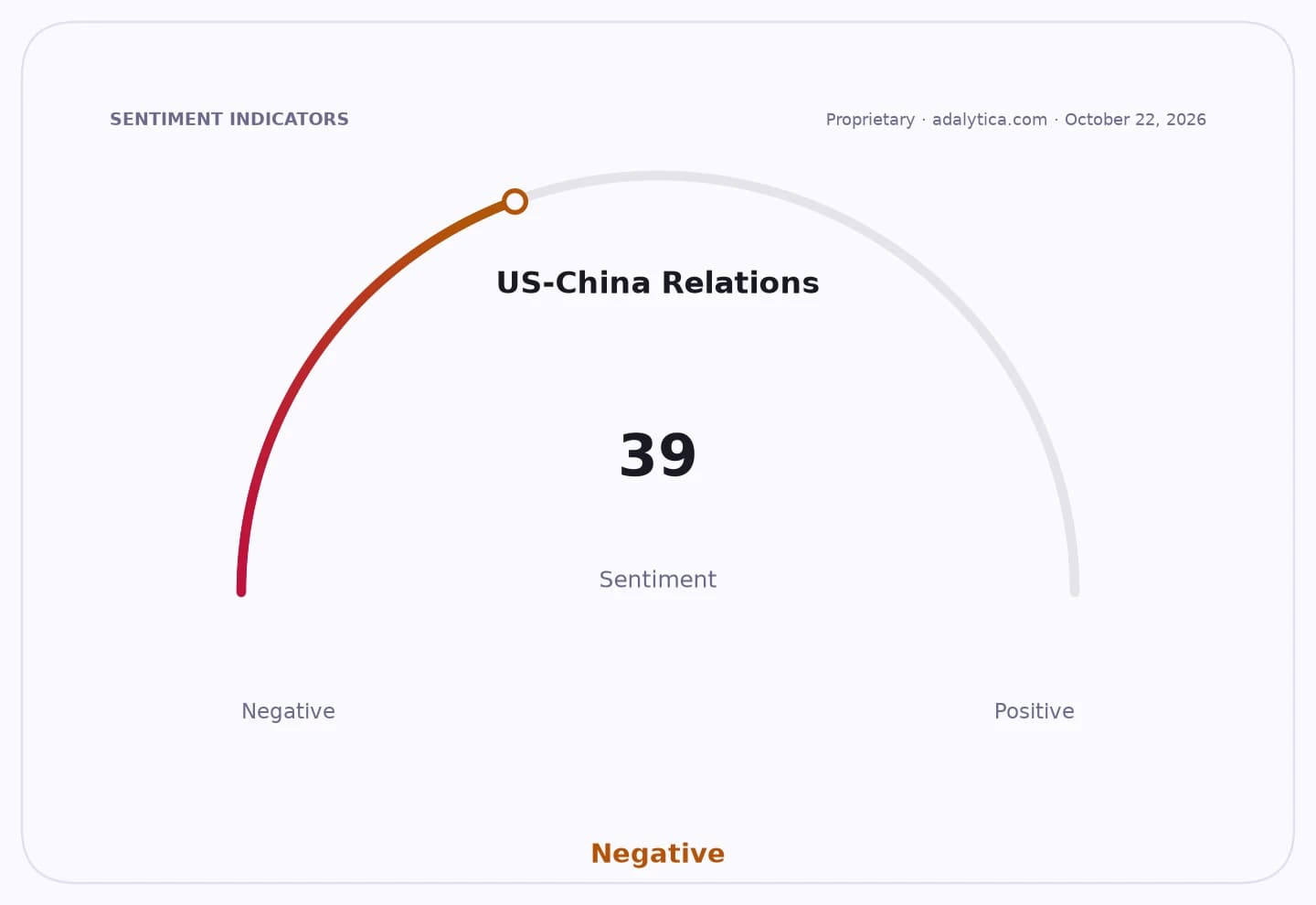
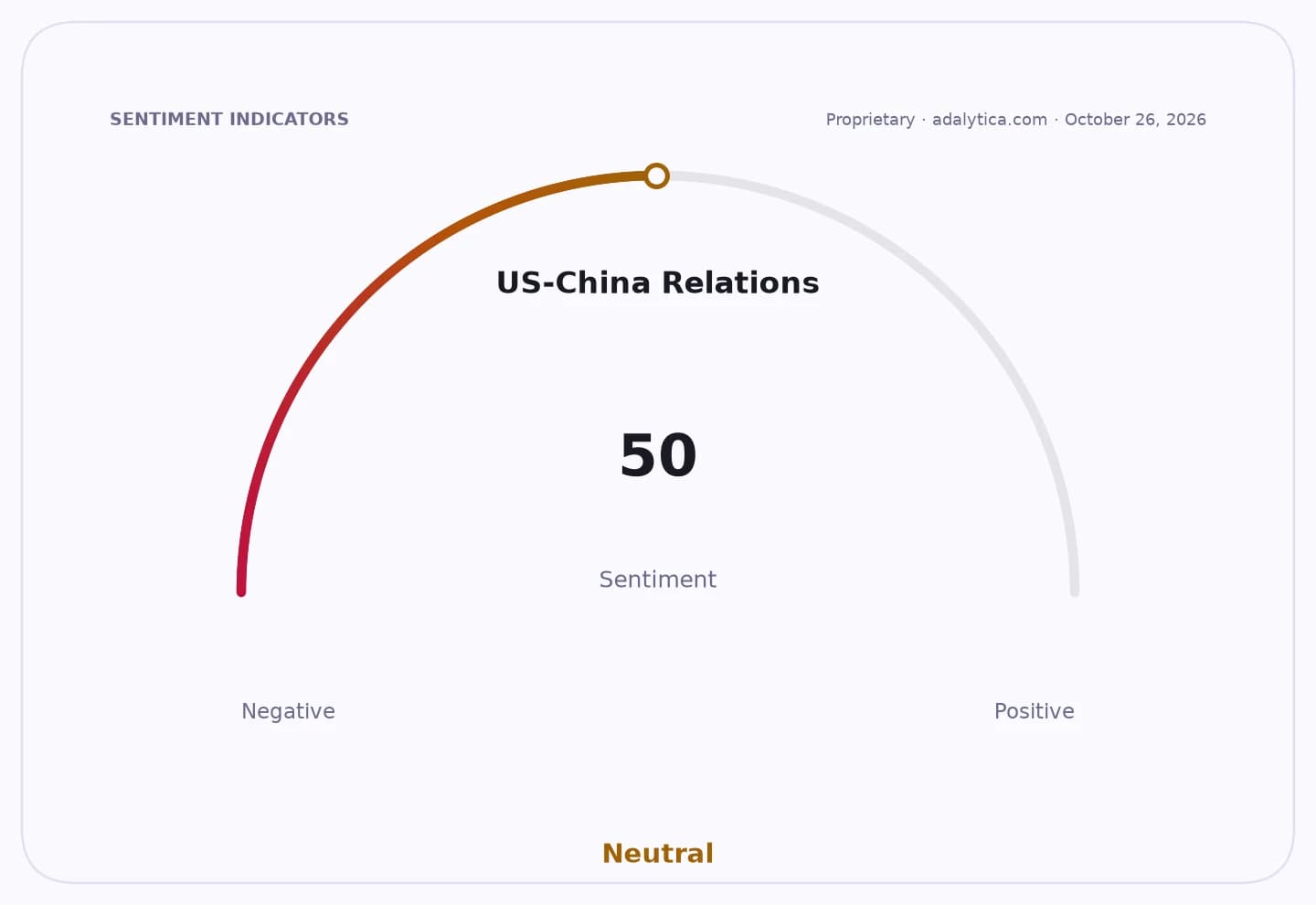
Sentiment Indicators

The China Securities Regulatory Commission has told some law firms in recent days that red-chip companies set up after the 2023 offshore-listing rules were introduced must be re-domiciled in China before they can go public abroad, according to people familiar with the matter. That is a tougher interpretation of an already stricter regime. Before March 2023, Chinese companies using overseas holding structures could raise capital abroad without regulatory approval. Since then, Beijing has steadily increased oversight, and this year it has gone further, questioning the “necessity and compliance” of red-chip structures, particularly those created after the new rules took effect.
Red-chip structures have long been popular with Chinese startups, especially in technology, because they allow founders to list in places such as Hong Kong or New York while preserving control of mainland operations through offshore entities. Beijing’s latest stance suggests that convenience is no longer enough. If regulators insist on a mainland domicile first, some companies will simply wait, while others may abandon plans to list overseas altogether.

That would be a headwind for Hong Kong, even if it does not derail the market. The city has enjoyed a powerful IPO rebound, with funds raised in the first 10 months of this year jumping 84% from a year earlier to HK$404 billion, or about $52 billion. But approvals from the CSRC have slowed since September, and the number of red-chip approvals has fallen sharply. Only six red-chip companies have received approval for Hong Kong listings so far this year, down from 50 last year, according to law-firm and Reuters data.
The broader takeaway for investors is that Beijing is making a strategic choice: keep tighter control over sensitive technology and capital formation, even if that means sacrificing some overseas-listing volume. That fits a wider campaign to scrutinize where Chinese data, chips and AI-related assets are allowed to go. In practice, it could favor larger, better-capitalized companies that can handle the legal work of redomiciling in China, while leaving smaller startups with fewer financing options.
For Hong Kong, the impact is likely to be selective rather than catastrophic. The exchange is still the top destination for Chinese listings, and there are nearly 600 applications pending. But the mix may change, with fewer offshore-holding structures and more time-consuming restructurings before any debut. For long-term investors, that is another reminder that China’s capital markets are increasingly shaped by policy, not just valuation or growth prospects. The companies most likely to win will be those that can navigate that political reality without derailing their expansion plans.
| Entity | Gains | Losses |
|---|---|---|
| Beijing / CSRC | ▲tighter capital controls | ▼faster offshore fundraising |
| Hong Kong exchange | ▲higher-quality compliant listings | ▼red-chip IPO volume |
| Mainland regulators | ▲greater oversight of tech capital flows | ▼market flexibility |
| Red-chip startups | ▲eventual regulatory clarity | ▼speed, cost, and listing access |