Nvidia and ASML are confronting the same long-term risk: China, once a crucial growth engine, is becoming a market they may increasingly have to write off.
China Decoupling Pressures Nvidia, ASML, and TSMC

That matters because the world’s biggest chip buyer is also accelerating its bid to replace foreign technology with domestic alternatives, a shift that could permanently shrink sales for the semiconductor supply chain and force investors to rethink China-linked revenue assumptions across the sector.
Sentiment IndicatorsⓘProprietary · adalytica.com · July 28, 2026
This is a snapshot — live sentiment, awareness and momentum for 130+ markets update continuously in the dashboard.Open AlphaPulse
The latest signal comes from China’s booming chip ecosystem, where memory maker ChangXin Memory Technologies surged more than 500% in its Shanghai debut, underscoring how fast Beijing is channeling capital, policy support and AI demand into homegrown semiconductors. For Nvidia, the implication is stark: even if export rules ease intermittently, the strategic direction in China is toward substitution, not dependence.
For ASML, the risk is just as material. The Dutch equipment maker has already navigated tighter U.S. and allied restrictions on advanced tools, and any further decoupling would hit a market that has historically been important for volume and mix. ASML’s shares, which have climbed sharply this year before slipping recently, show investors still assign value to its global exposure, but China is the most obvious variable in the long-term earnings debate.
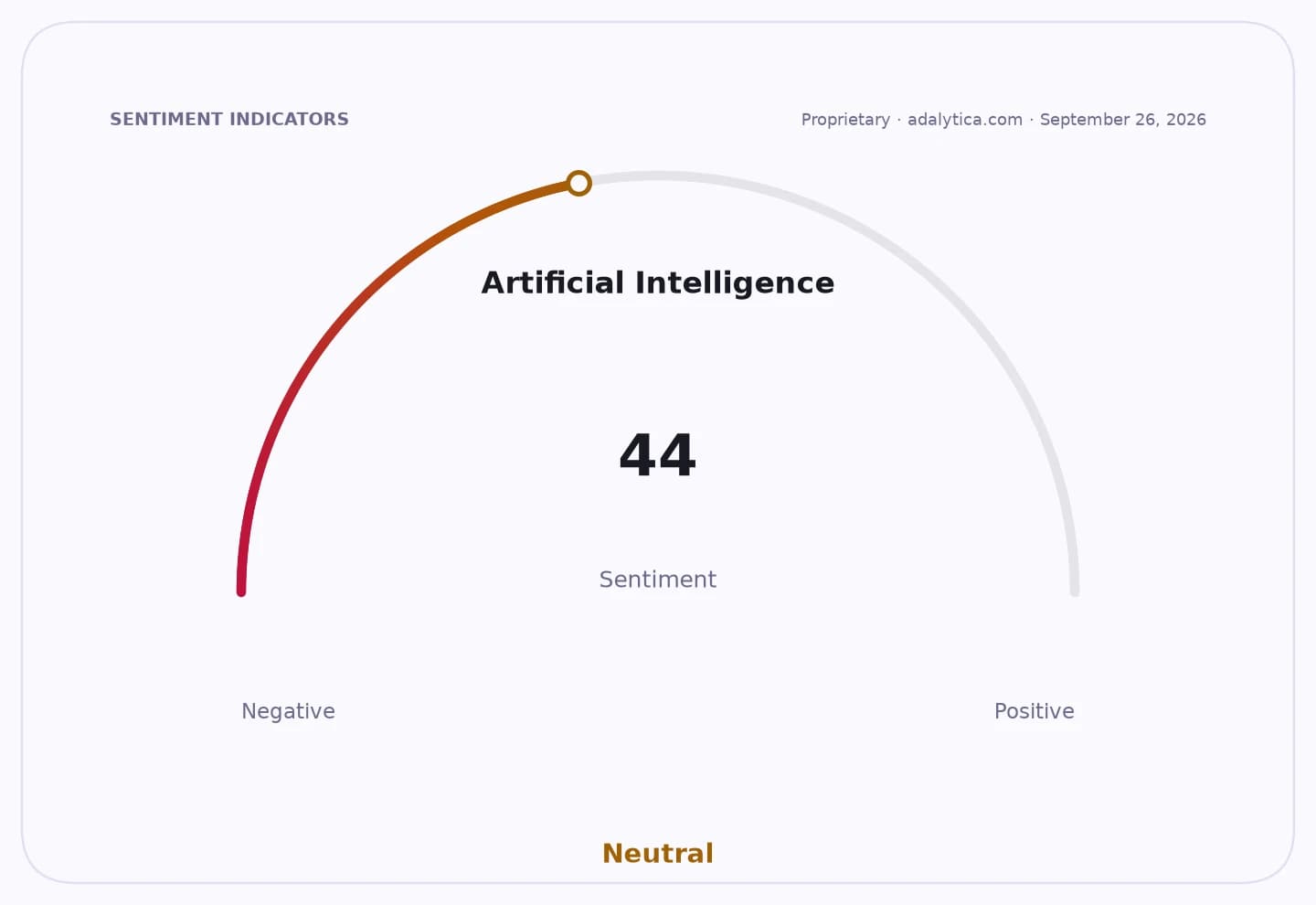
Nvidia is under similar pressure. Its shares have been volatile, with the stock rising to above $206 in early November before dropping to $196.51 on July 27, while technical readings have cooled from overbought levels. The 14-day RSI was 49.7 on the latest session, and the stock sits just below its 50-day moving average of $208.53, a sign momentum has faded even as sentiment remains elevated.
ASML’s chart is weaker still. The stock fell to $1,655.26 on July 27 from $1,803 two sessions earlier, with the 14-day RSI at 41 and the MACD turning negative. That reflects growing investor caution even after ASML lifted its 2026 sales outlook to €43 billion-€45 billion and gross margin guidance to 54%-56% in July.
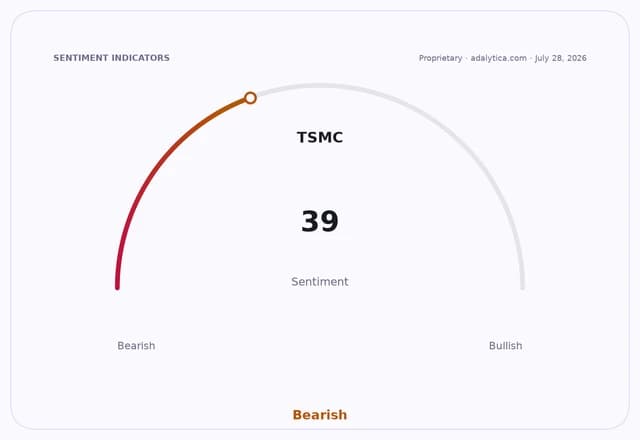
TSMC, the contract chipmaker sitting at the center of the AI supply chain, is also being pulled into the same geopolitical pullback. Its shares have retreated to $399.09 from $477.57 on June 30, with the latest RSI reading at 32.3, showing the market is increasingly pricing in a tougher operating environment for the Taiwan-anchored semiconductor complex.
For investors, the key issue is not just lost China revenue, but the margin and valuation reset that follows. If China’s advanced chip demand is increasingly satisfied by domestic suppliers such as CXMT, then forecasts for Nvidia, ASML and other suppliers may need to assume not just slower growth, but in some cases no meaningful China sales at all over time.
The next catalysts are further export-control decisions from Washington, signs of additional Chinese subsidy support, and earnings updates from the major chip names that will test whether the market is ready to price a more permanent split between China and the West.
| Entity | Gains | Losses |
|---|---|---|
| Chinese chip makers | ▲Local demand, policy support | ▼Dependence on foreign tools |
| Nvidia and ASML | ▲Non-China demand | ▼China revenue visibility |
| TSMC and peers | ▲AI order growth outside China | ▼China-linked volume risk |
| U.S. and allied policymakers | ▲Strategic containment leverage | ▼Short-term chip industry friction |