China’s foreign direct investment equity stock has climbed to 26.8 trillion yuan, or about $3.98 trillion, ranking second in the world and underscoring Beijing’s effort to keep multinationals engaged even as global capital faces rising geopolitical and policy friction.
China foreign direct investment stock reaches 26.8 trillion yuan
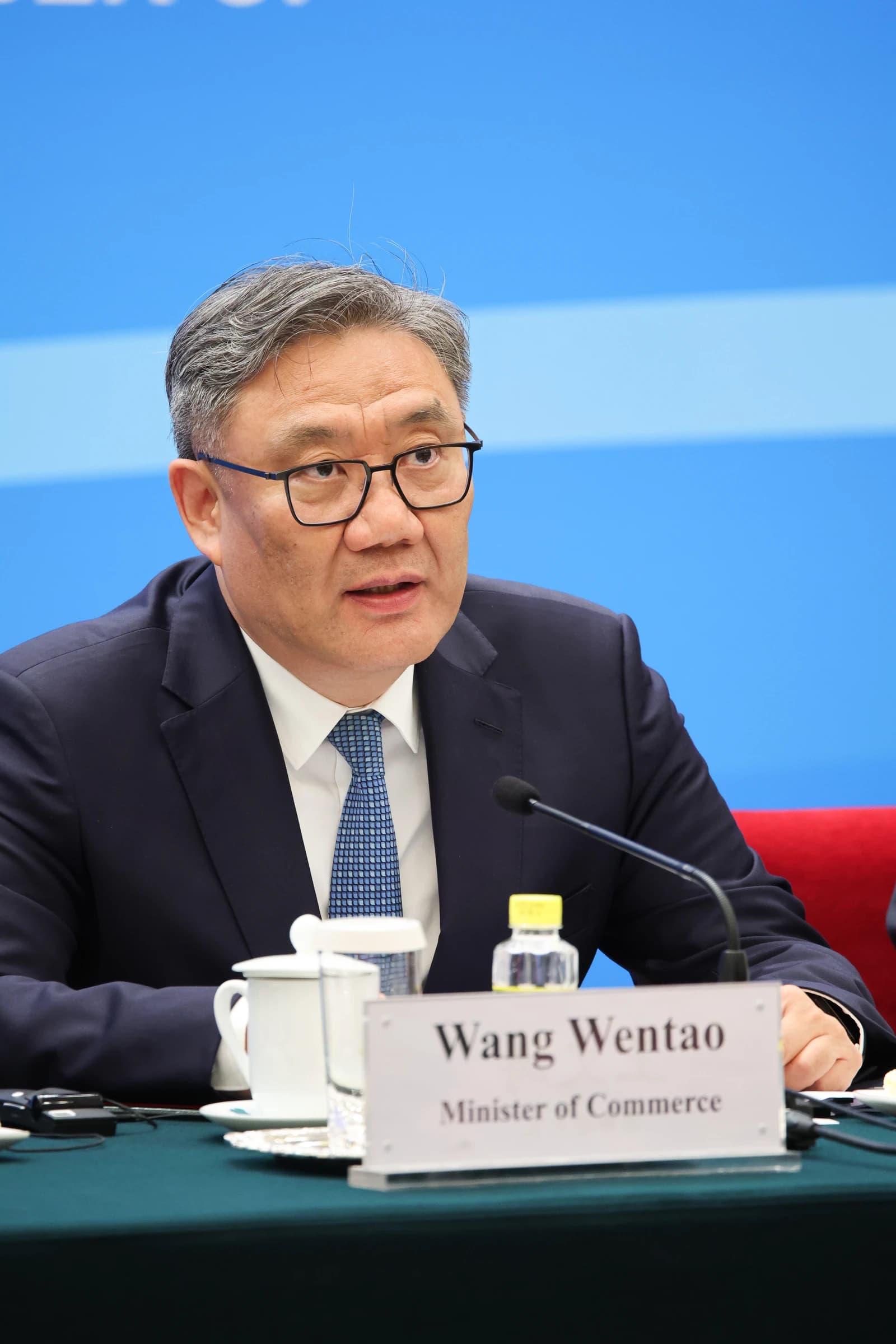
The figure matters because it points to the scale of foreign capital already embedded in China’s economy, not just fresh inflows. Beijing said the stock has risen for six straight years, while 461,000 foreign-invested companies filed annual reports last year, up 5.7% from 2024. That breadth gives China a durable stake in global supply chains, trade and employment, and helps explain why officials are leaning on market access reforms and incentives to stabilize investment.
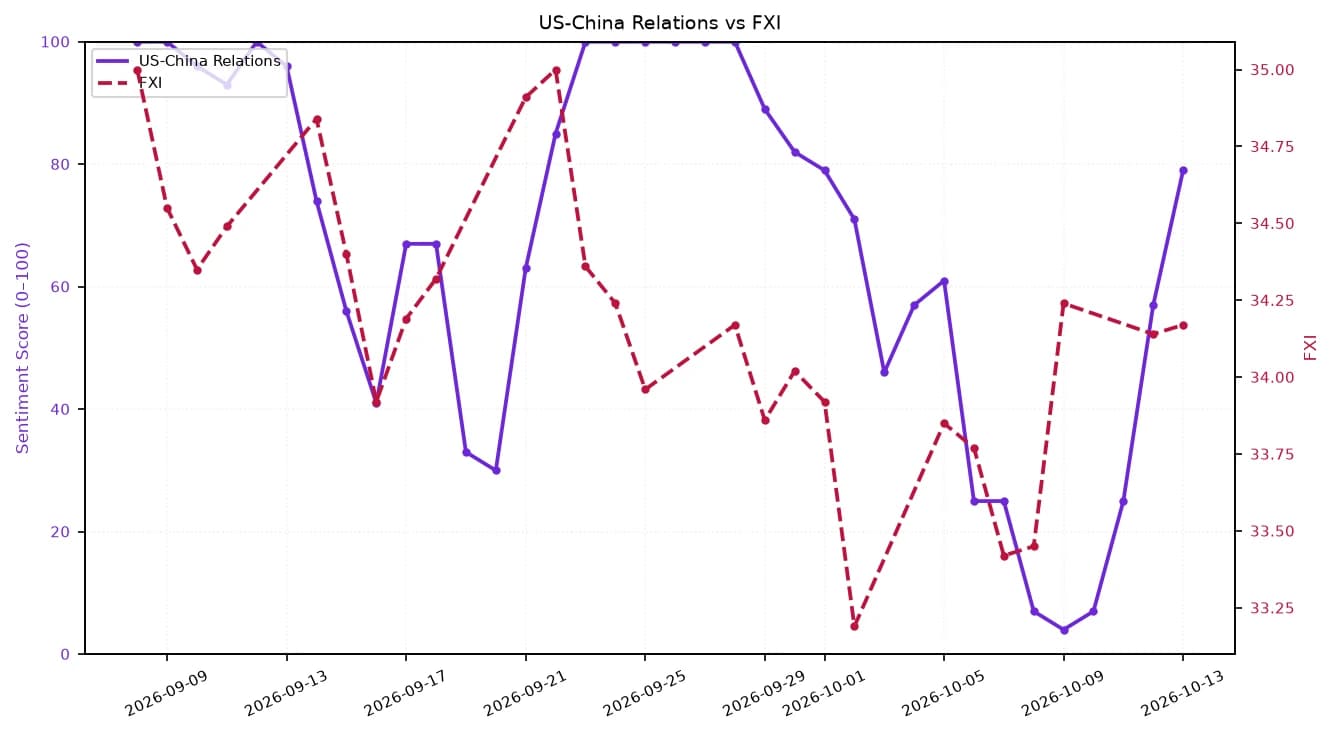
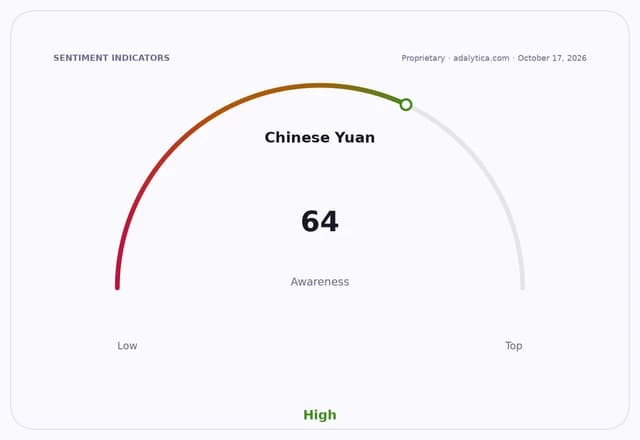
Sentiment IndicatorsⓘProprietary · adalytica.com · October 17, 2026
This is a snapshot — live sentiment, awareness and momentum for 130+ markets update continuously in the dashboard.Open AlphaPulse
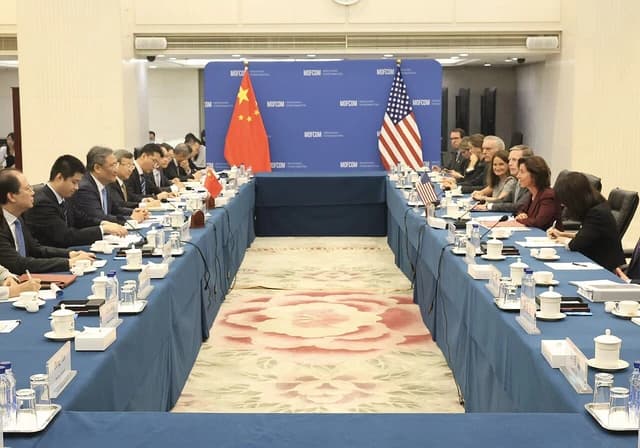
For investors, the headline is less about symbolism than profitability. Foreign-invested firms in China reported an average profit margin of 8.7% in 2025, and in manufacturing their margins were 2.2 percentage points higher than those of major domestic industrial firms, according to the commerce ministry. That suggests China’s scale and industrial depth can still offset regulatory and geopolitical risks for companies able to operate there efficiently.
The data also shows where foreign money is still flowing. High-tech industries drew 200.26 billion yuan in FDI in the first eight months of this year, up 35.1% from a year earlier, as Beijing pushes capital toward advanced manufacturing, modern services and other higher-value sectors. That shift matters for the broader economy because it supports technology upgrading and helps sustain demand for imported equipment, components and professional services.
Foreign-invested enterprises remain central to China’s external and fiscal position. The ministry said they account for one-third of goods trade and one-seventh of tax revenue, while providing more than 30 million jobs annually on average over the past five years. That means any disruption to foreign capital would ripple well beyond company earnings, hitting trade volumes, local tax bases and employment.
Beijing is trying to counter the outflow narrative with policy. A 15-measure action plan launched in June aims to widen market access, streamline procedures and improve services for foreign investors, while a revised encouraged-industries catalogue took effect in February to steer capital into advanced manufacturing and less-developed regions. The message is that China wants not just more foreign money, but better foreign money.
The bull case is that China still offers unmatched industrial scale, deep supplier networks and attractive margins in selected sectors. The bear case is that geopolitical tensions, export controls and domestic demand weakness will keep multinationals cautious, limiting new commitments even if existing operations remain profitable. For global markets, the second-largest FDI equity stock is a reminder that decoupling remains partial: foreign capital may be more selective, but it is still deeply tied to China’s growth model.
| Entity | Gains | Losses |
|---|---|---|
| Foreign-invested firms in China | ▲Higher margins, market scale | ▼Policy and geopolitical risk |
| Beijing | ▲Trade, tax revenue, jobs | ▼Pressure to keep reforms credible |
| Global suppliers to China | ▲Demand from manufacturing investment | ▼Less access if localization rises |
| Competing FDI destinations | ▲Spillover from China diversification | ▼Share of mobile capital |