China’s grain industry is set to become a much bigger economic engine over the next five years, and that matters far beyond the farm gate. Beijing said annual output value in the sector should exceed 4.5 trillion yuan, or about $667 billion, during the 2026-2030 period, underscoring how food security, higher-value processing and consumer upgrading are being woven into the country’s next growth plan.
China grain sector targets 4.5 trillion yuan output

The key point for investors is that this is not just a policy slogan about self-sufficiency. It points to a structural push to move grain from a low-margin commodity business into a broader food-industrial chain with more processing, branding, nutrition-focused products and logistics. In a country of more than 1.4 billion people, even modest gains in per-capita value added can translate into enormous revenue pools.
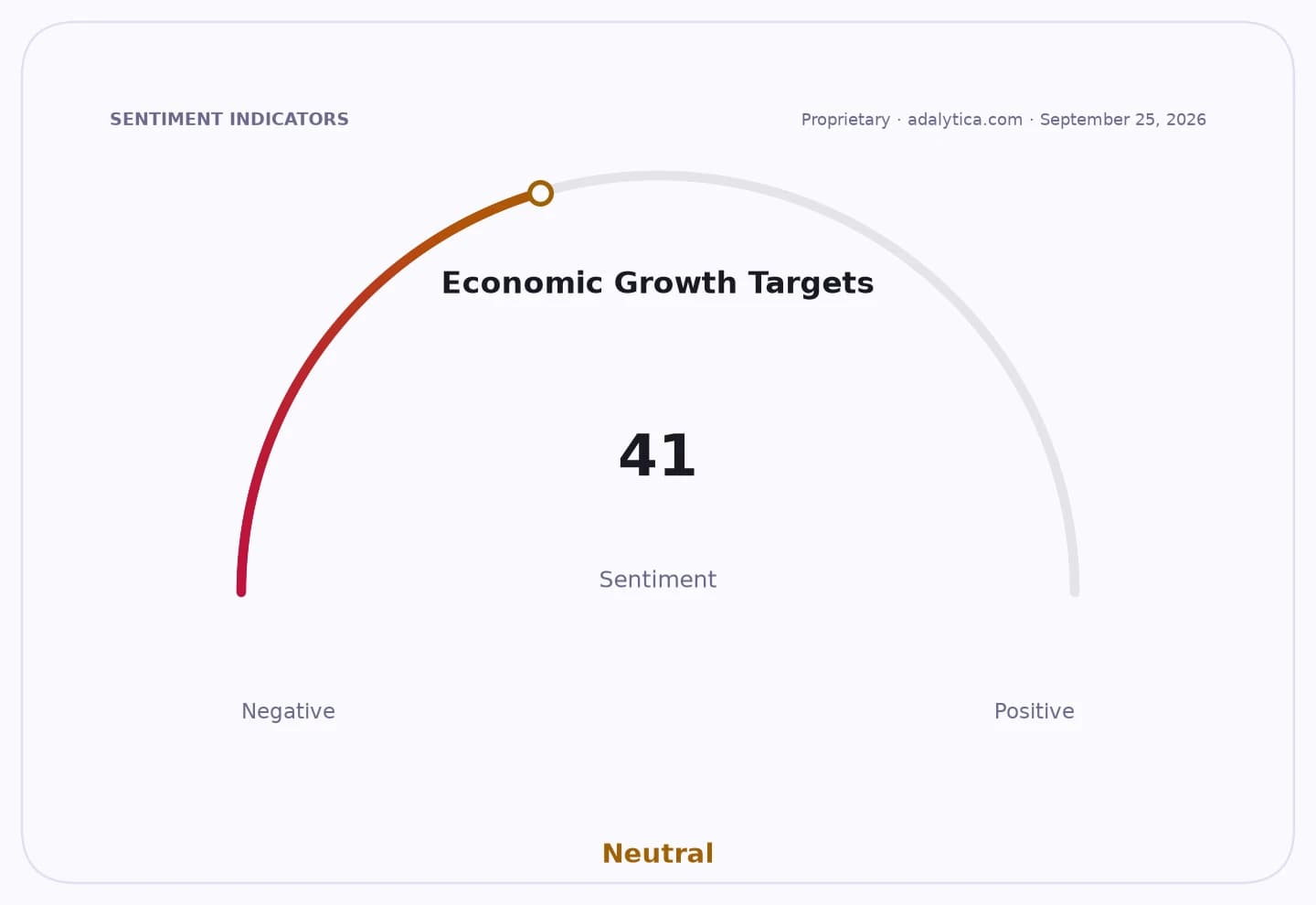
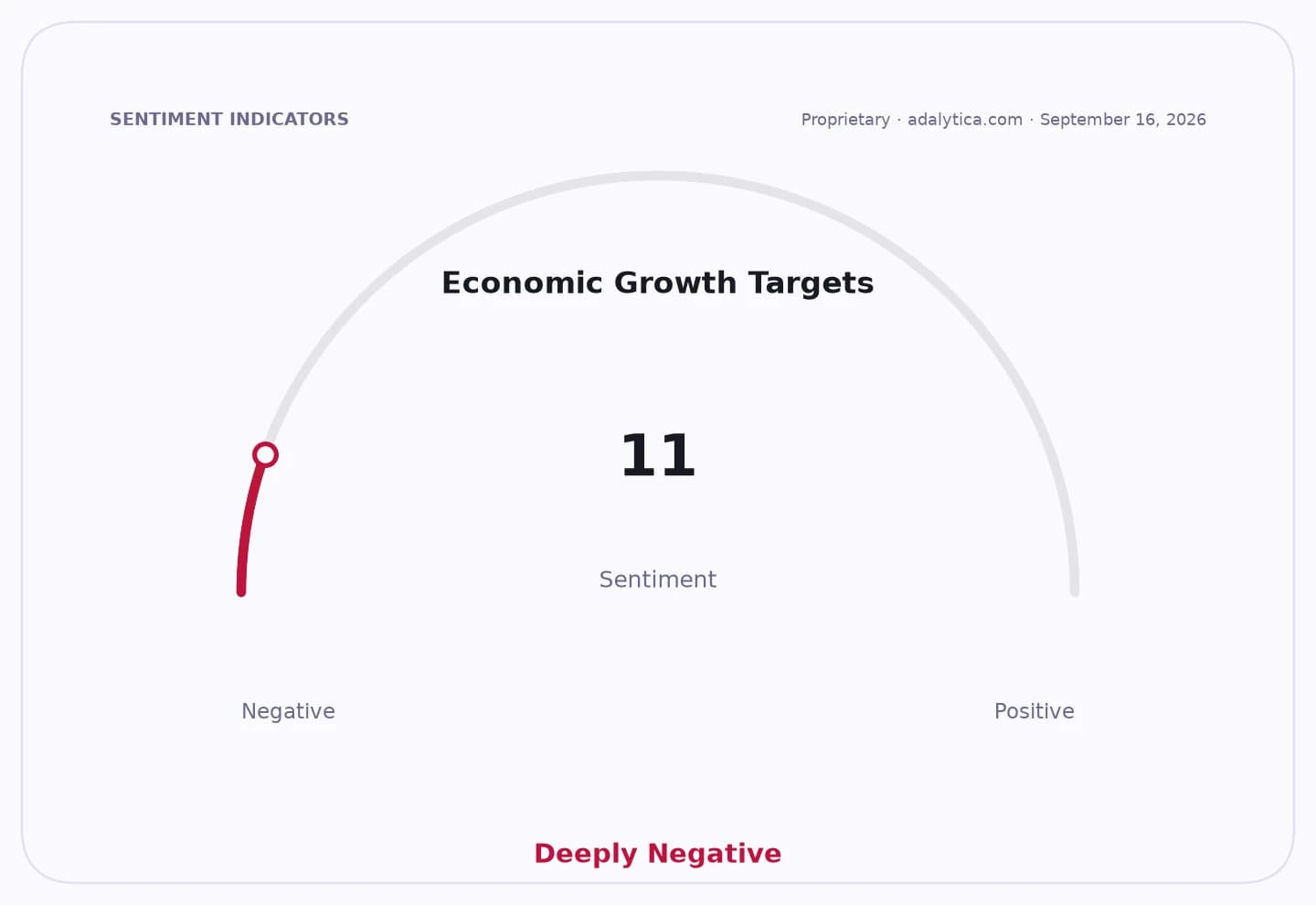
Sentiment IndicatorsⓘProprietary · adalytica.com · September 24, 2026
This is a snapshot — live sentiment, awareness and momentum for 130+ markets update continuously in the dashboard.Open AlphaPulse
Liu Huanxin, head of the National Food and Strategic Reserves Administration, said the grain sector will better meet demand for “higher-quality, more nutritious and healthier food.” That language matters because it hints at where the next wave of spending may go: packaged foods, feed, storage, distribution, and the machinery and inputs needed to support a more efficient supply chain.
For global agribusiness investors, the signal is mixed but important. Companies tied to China’s demand for agricultural products, processing capacity and farm inputs could see a steadier long-term market if the country continues to deepen its food system. That includes multinationals such as Archer-Daniels-Midland and Bunge, which already depend on China-linked trade flows, as well as fertilizer suppliers such as CF Industries, whose sales are ultimately tied to crop economics and planting incentives. The broader theme is that China’s food system is getting more industrialized, not less.
It also reflects a larger macro priority: resilience. Beijing has spent years trying to reduce vulnerability to supply shocks, volatile imports and rising consumer expectations. A grain industry generating more than 4.5 trillion yuan a year would be a major pillar of that effort, helping support rural income, food inflation stability and domestic supply chains.
For investors, the long-term takeaway is simple: China’s grain story is less about one harvest than about a decade-long buildout of food security and food upgrading. That favors patient capital over short-term trading. The biggest winners are likely to be companies positioned across processing, storage, transport, inputs and consumer food channels, while pure commodity sellers may see less of the value created. Worth watching, especially for investors looking for durable demand themes rather than cyclical headlines.
| Entity | Gains | Losses |
|---|---|---|
| China grain processors | ▲Higher value-added sales | ▼Low-margin bulk-only producers |
| Food consumers | ▲More nutritious choices | ▼Buyers of undifferentiated staples |
| Agribusiness suppliers | ▲Steadier long-term demand | ▼Firms exposed to price-only competition |
| Import-dependent rivals | ▲— | ▼Domestic producers facing tougher competition |