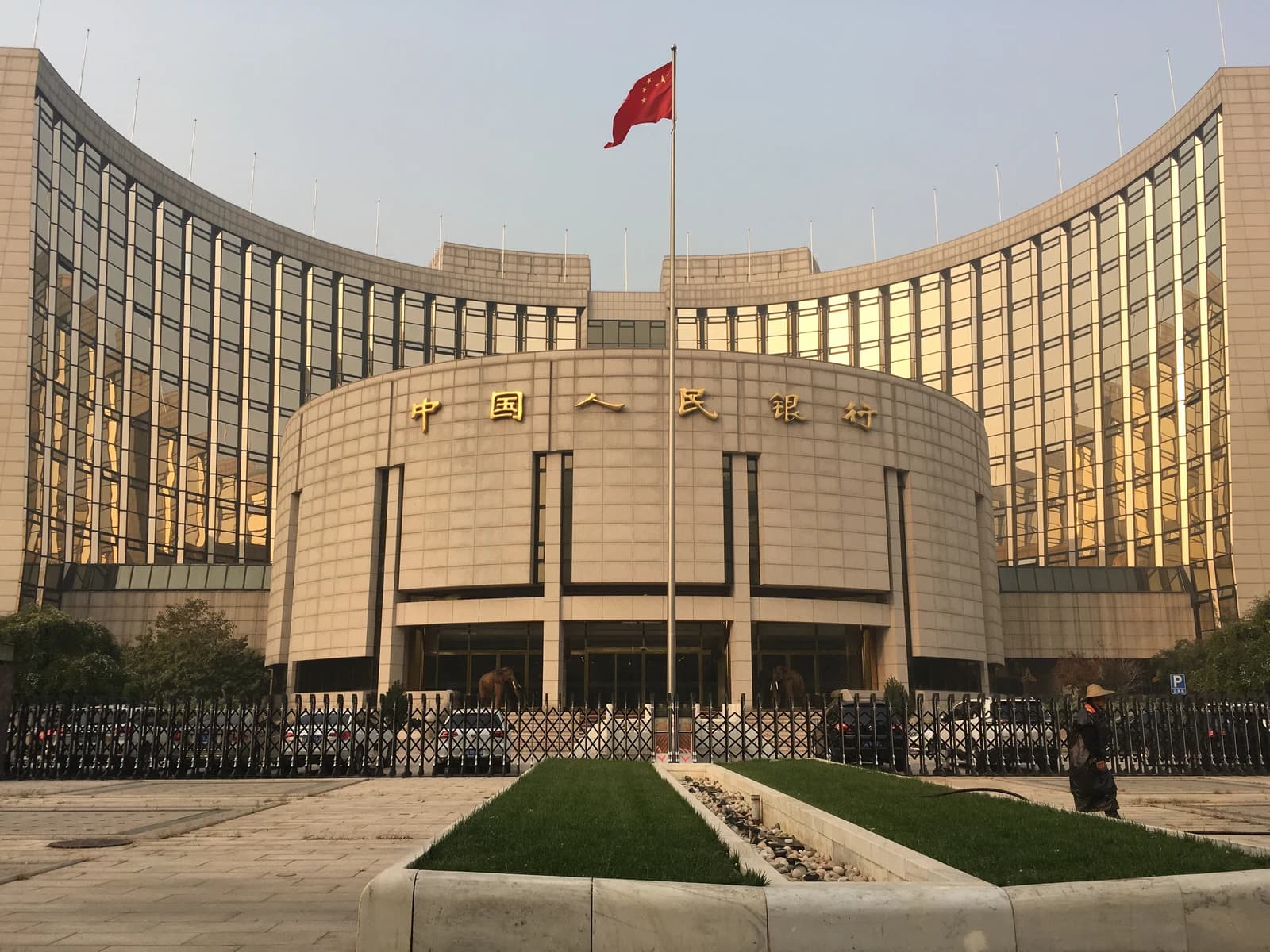
China and Hong Kong shares moved modestly higher after Beijing said it would do more to stabilise capital markets, a reminder that policy support is still doing much of the heavy lifting for investor confidence in the world’s second-largest economy.
China and Hong Kong stocks rise after policy support
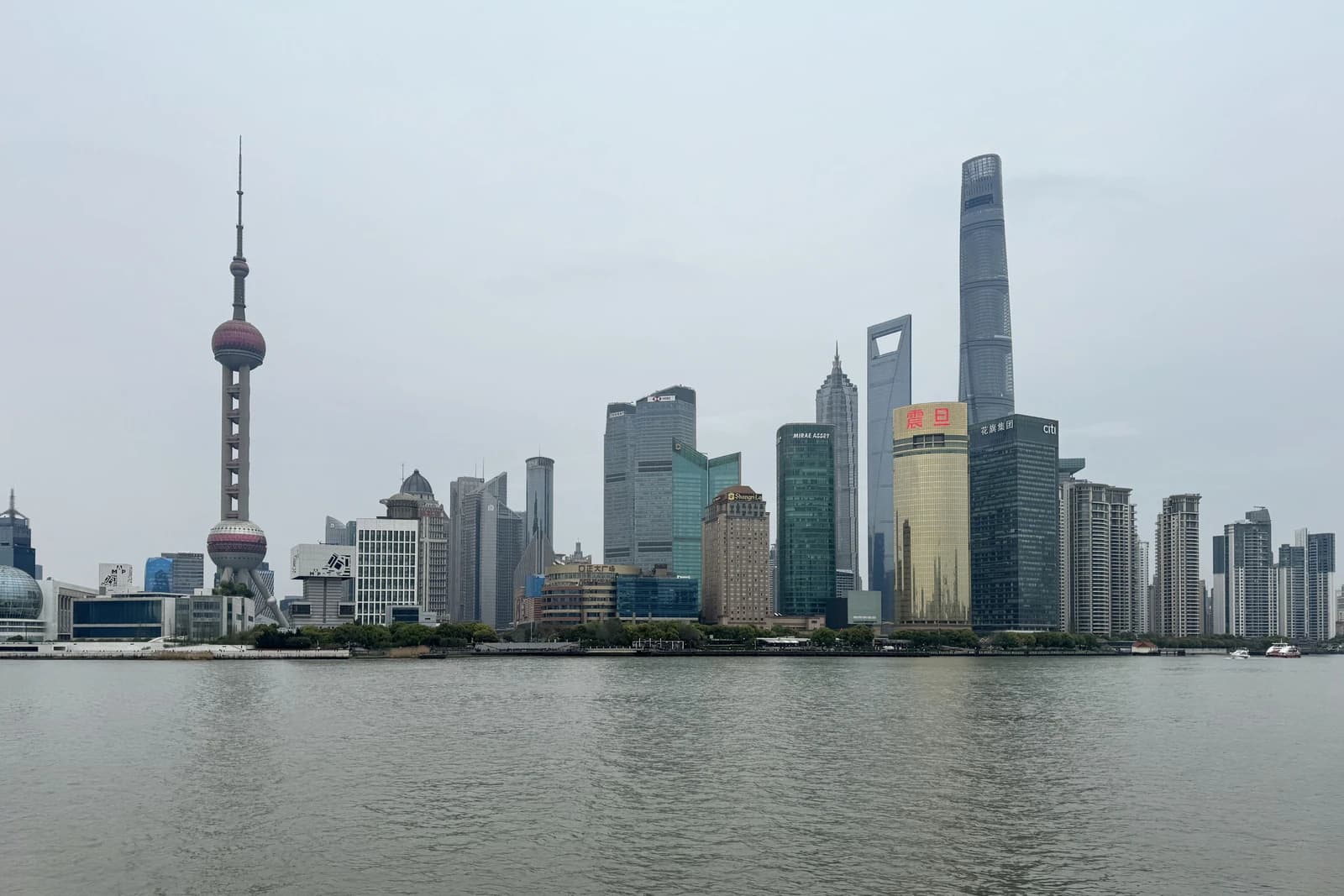
The Shanghai Composite rose 0.5% at the midday break, the CSI300 gained 0.3% and Hong Kong’s Hang Seng edged up 0.2%, with technology shares also firmer. The move came after China’s State Council called for further efforts to strengthen mechanisms that stabilise the capital market and improve the stock market’s underlying stability, according to state television. For investors, the message is straightforward: policymakers are still prepared to lean against market weakness when growth and sentiment look fragile.
Sentiment Indicators

That matters because China’s recovery continues to be uneven. Fresh inflation data showed producer prices rising at their fastest pace in nearly four-and-a-half years, helped by higher oil prices and cost pressures in manufacturing, while consumer inflation cooled as domestic demand remained soft. In other words, companies are still facing pressure on both sides of the ledger — higher input costs, but not enough end demand to pass them on easily. That is not the sort of backdrop that produces a self-sustaining bull market.
The policy response has therefore become the central market narrative. Beijing’s latest pledge fits a familiar pattern: when economic indicators and equity performance weaken, authorities step in to put a floor under sentiment. That can help the short term, but it does not by itself fix the deeper problem of cautious households, sluggish consumption and patchy corporate earnings growth. Societe Generale analysts said a durable recovery would still require stronger earnings, better domestic demand and reflation.
The market action also reflects a broader regional tone. Asian equities and US futures started the week in positive territory after a volatile spell in which chip-demand worries hit technology-heavy markets hard. That makes China’s policy stance especially important for global investors who are trying to judge whether the recent selling has created a buying opportunity or simply exposed how dependent the region remains on stimulus.
For long-term investors, the key question is whether Beijing can convert repeated stabilisation efforts into real earnings momentum. If domestic demand improves and profit growth broadens beyond policy-sensitive sectors, China and Hong Kong stocks could have room to recover more convincingly. If not, rallies may keep fading once the initial boost from government support wears off. For now, the latest move keeps China on the watchlist — but not yet in the clear.
| Entity | Gains | Losses |
|---|---|---|
| China/Hong Kong stocks | ▲Policy-backed sentiment | ▼Short sellers, bearish traders |
| Beijing policymakers | ▲Stability narrative | ▼Those expecting a rapid rebound |
| Chinese exporters | ▲Weaker domestic reliance offset by overseas demand | ▼Firms tied to local consumption |
| Long-term investors | ▲Potential entry point if fundamentals improve | ▼Investors chasing a quick recovery |