China’s top leadership is stepping in again to steady its markets after a sharp selloff in technology shares, a sign that Beijing is treating the slump not just as a trading setback but as a threat to confidence in the world’s second-largest economy.
China boosts market support after tech stock selloff
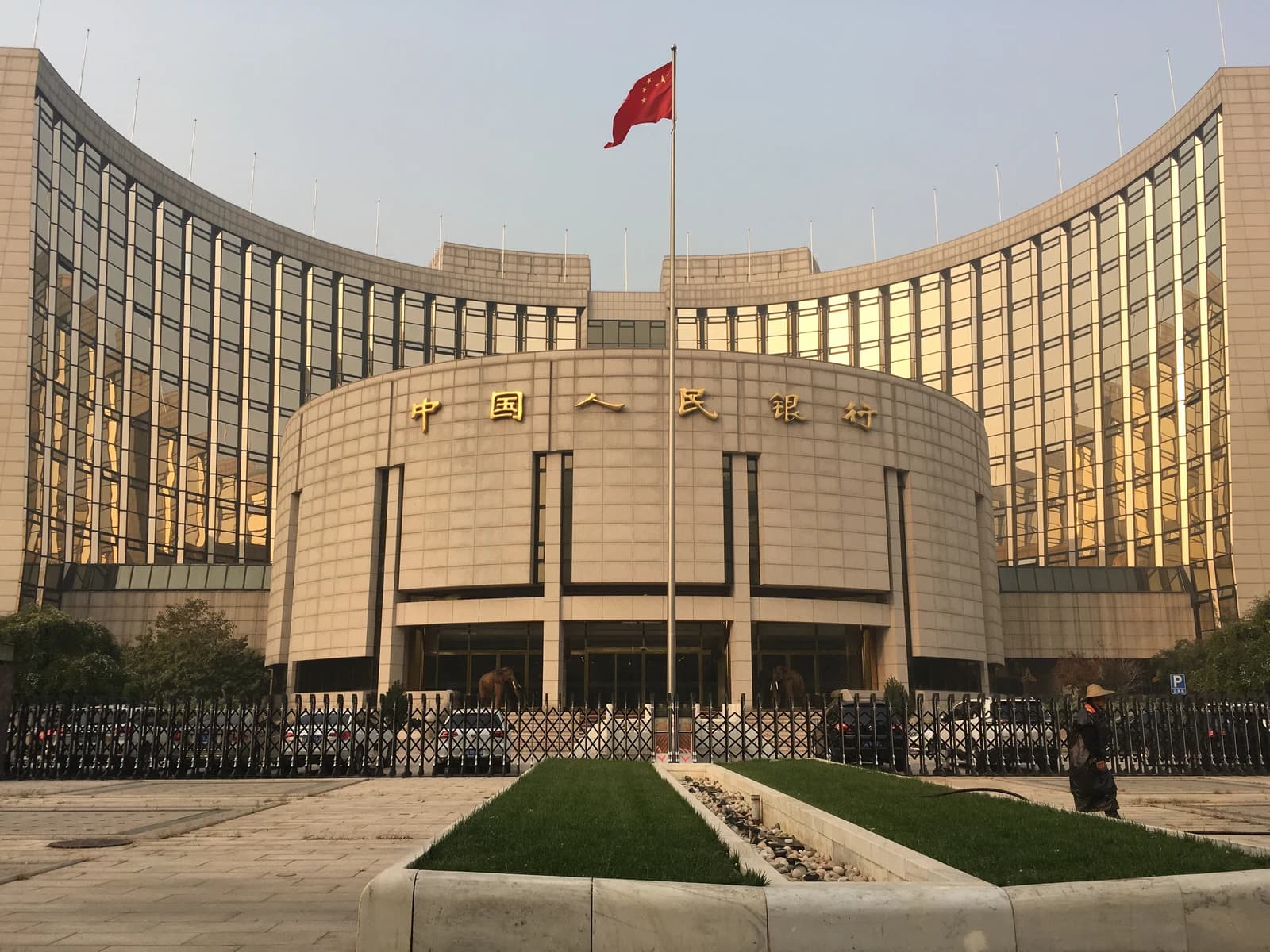
Premier Li Qiang chaired an executive State Council meeting on Friday that called for stronger mechanisms to stabilize the capital market and bolster the “self-stability” of the stock market, according to state media. That matters because China’s tech stocks have become the face of the country’s broader growth story: when they fall hard, it sends a message that investors remain skeptical about the payoff from Beijing’s push into artificial intelligence and advanced computing.
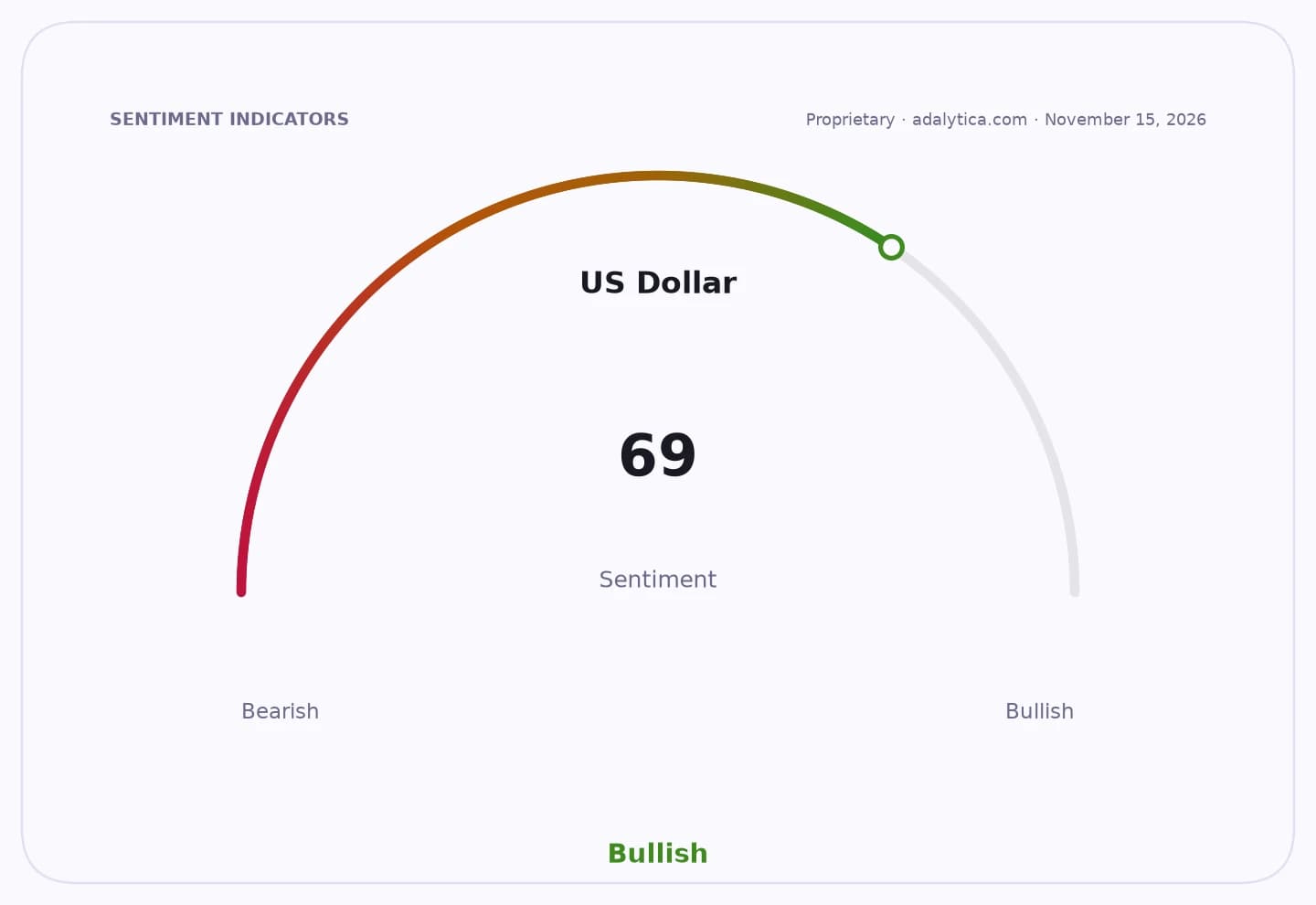
Sentiment Indicators
The pressure is already visible. Shares of Chinese AI names including Moore Threads and MetaX, both seen as rivals to Nvidia, have dropped about 50% over the past six months. The STAR 50 index in Shanghai, China’s technology-heavy benchmark, has fallen about 6% over the same period. For investors, that is more than a bad patch in a single sector. It is a reminder that China’s policy support has limits if earnings, sentiment and liquidity do not improve together.
Beijing is trying to do exactly that. Local reports this week said authorities had reactivated liquidity tools to encourage stock buying and increased the trading volume of state-backed funds. Bloomberg reported that nine exchange-traded funds often used by Beijing to support the market drew record net inflows of about 120 billion yuan, or $18 billion, on Tuesday, with the money concentrated in technology shares. The Financial Times also reported that regulators had told banks to halt new listings, a move that would keep more cash inside the market rather than funneling it into fresh offerings.
The policy response shows how closely Beijing links market stability with economic stability. A weak equity market can crimp household confidence, complicate fund-raising for companies and make it harder for the government to persuade private investors that China’s tech ambitions are still worth backing. That is especially important now, with the broader economy still looking for a durable rebound and with capital flowing selectively rather than broadly into Chinese assets.
Investors should also watch the tape. The iShares China Large-Cap ETF, or FXI, has slipped below both its 50-day and 200-day moving averages, while the KraneShares CSI China Internet ETF, KWEB, remains under its 200-day moving average as well. Alibaba, one of the country’s best-known tech names, has also been under pressure. Those are classic signs that policy support is fighting a market that has not yet fully поверed up its conviction.
For long-term investors, the message is not that China’s tech story is broken. It is that the path higher will likely depend on more than hope and headlines. If Beijing can keep liquidity flowing, slow the pace of share issuance and prove that infrastructure and technology spending can translate into profits, the sector can still recover. If not, rallies may remain sharp but short-lived. For now, China’s market rescue effort is still worth watching closely.
| Entity | Gains | Losses |
|---|---|---|
| Beijing policymakers | ▲Time to stabilize sentiment | ▼Credibility if markets keep sliding |
| State-backed ETFs | ▲More inflows and influence | ▼If support measures fail |
| Chinese tech stocks | ▲A policy backstop | ▼Continued selling pressure |
| Private investors | ▲Short-term market support | ▼Limited confidence in a lasting rebound |