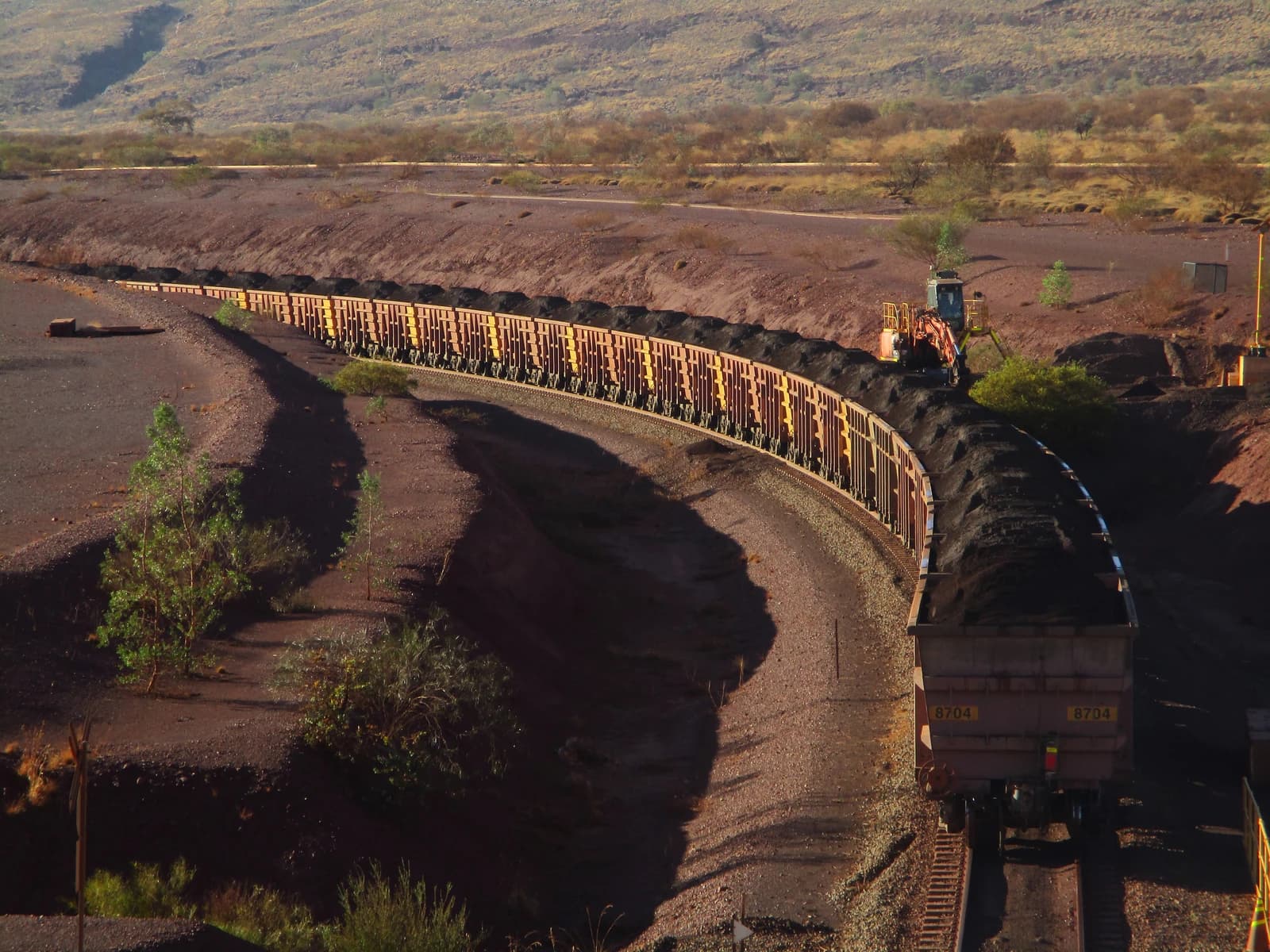
China’s iron ore imports jumped in August as typhoons delayed customs clearance in July, giving miners and steel-linked investors a near-term demand signal that helped push ore prices to multi-week highs.
China Iron Ore Imports Rise on July Delays

The bigger economic point is that China’s buying remains resilient even as its property sector stays weak and steel margins remain uneven. A stronger-than-expected import print suggests mills are still replenishing stocks and that logistics snarls, not just end-user demand, can drive monthly volatility in one of the world’s most important bulk commodities.
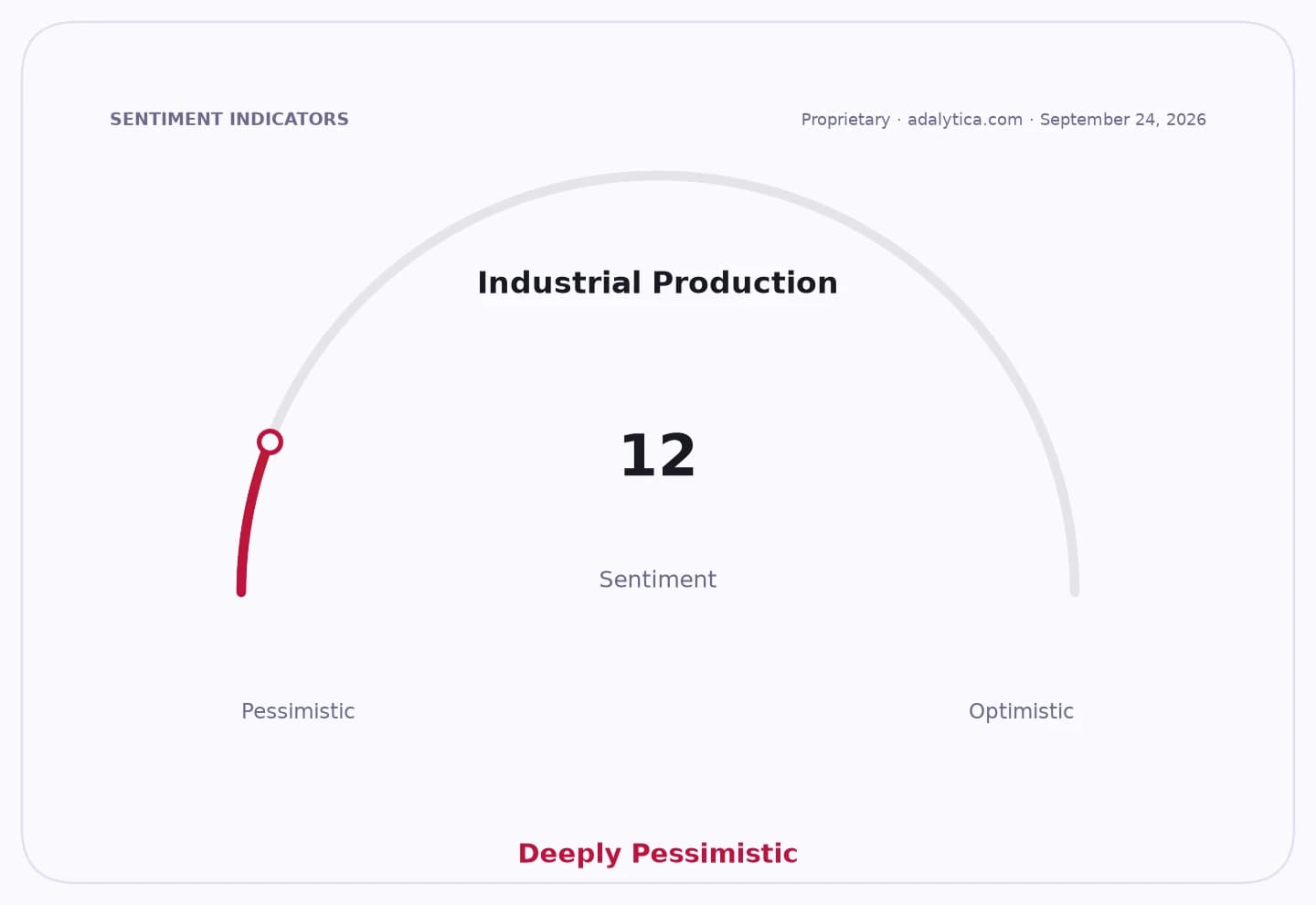
Sentiment IndicatorsⓘProprietary · adalytica.com · September 8, 2026
This is a snapshot — live sentiment, awareness and momentum for 130+ markets update continuously in the dashboard.Open AlphaPulse

That matters because iron ore sits at the center of global industrial trade, feeding China’s steel mills and shaping cash flows across the mining complex. When import volumes surprise on the upside, it tends to tighten the spot market, support freight rates and improve pricing power for major exporters such as BHP, Rio Tinto and Vale. That is exactly the kind of setup the market can misread as a simple weather-driven blip when it may actually be reinforcing a firmer supply-demand balance into the autumn restocking cycle.
For investors, the key is not just the headline import number but the market reaction around it. Iron ore prices have already been rising for a third straight session on freight strength and expectations of pre-holiday buying. BHP and Rio Tinto are trading well above their 50-day moving averages, while Vale has also recovered sharply from midsummer weakness. That kind of price action tells you the market is leaning into the thesis that Chinese mills will keep buying, even if finished steel demand is patchy.
There is a second-order opportunity here. If imports remain firm while steel bar prices stay stable, the spread can favor the lowest-cost producers and the suppliers with the strongest logistics. That generally means the big diversified miners, not the higher-cost fringe. It also keeps attention on shipping, port throughput and infrastructure that supports bulk commodity flows.
The near-term risk is obvious: if the August strength was mainly a timing shift from July, the next monthly data could cool. But the more important takeaway is that China is still absorbing large volumes of iron ore despite a difficult domestic backdrop. That is enough to keep a floor under the market for now and to justify staying positioned in the major seaborne suppliers while the restocking window remains open.
| Entity | Gains | Losses |
|---|---|---|
| BHP, Rio Tinto, Vale | ▲Higher ore prices | ▼Weakening spot premiums if demand fades |
| Chinese steel mills | ▲Restocking flexibility | ▼Higher raw material costs |
| Iron ore shipping/ports | ▲Stronger freight and throughput | ▼Congestion risk from delays |
| Higher-cost miners | ▲Short-term bounce | ▼Margin pressure if supply stays tight |