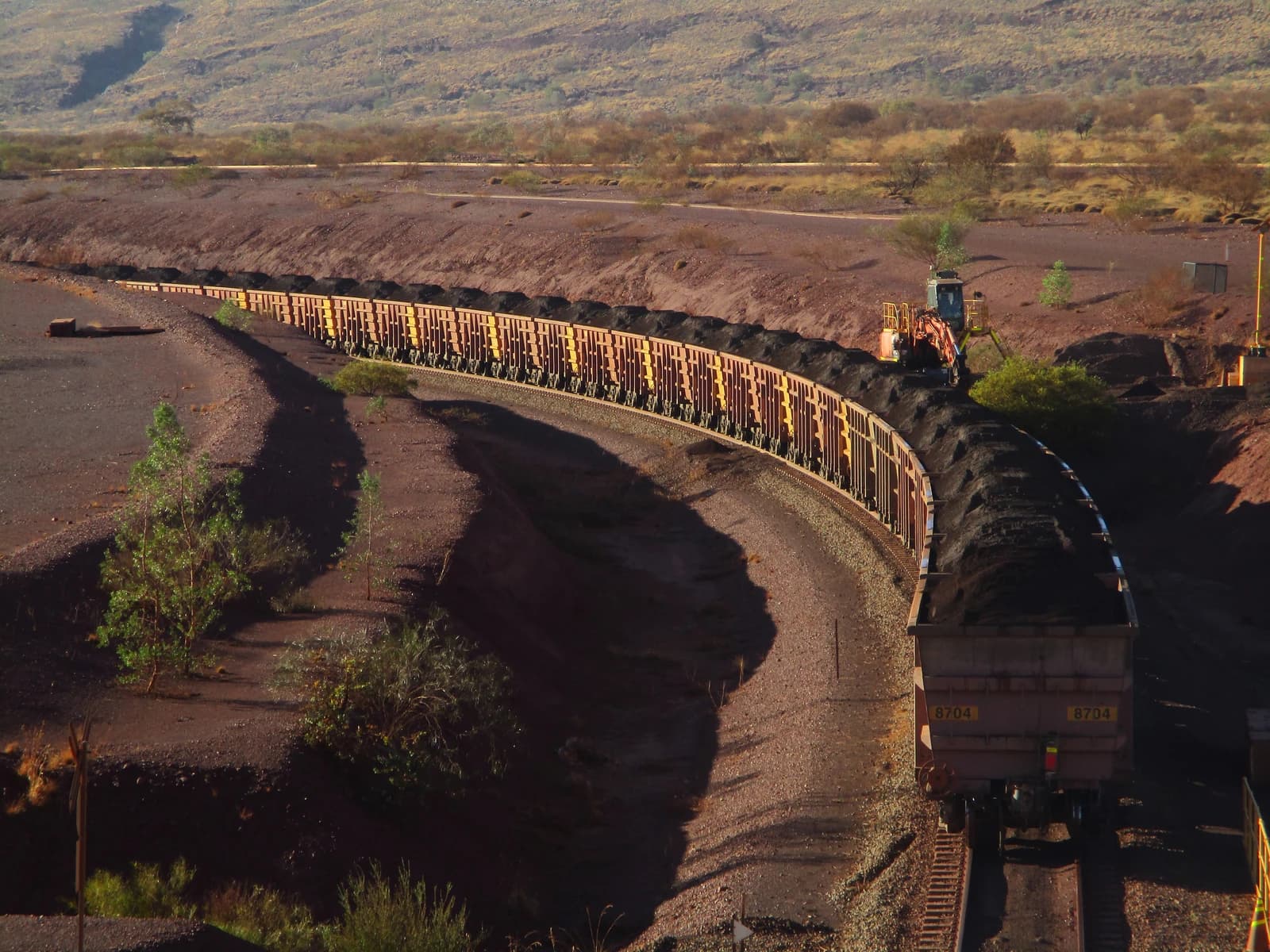
Iron ore miners are getting a brief lift from pre-holiday restocking in China, but the move is running into a wall of weak steel demand, negative importer margins and softer macro sentiment that is keeping gains contained.
Rio Tinto, BHP, Vale Rise on China Iron Ore Restocking

The setup matters because China remains the anchor market for seaborne iron ore, and any pre-holiday buying can quickly support prices and miners’ cash flow. But the buying has not erased the broader pressure from sluggish downstream consumption, rising freight costs and a market still struggling to prove that restocking is the start of a durable recovery rather than a short-lived seasonal bounce.
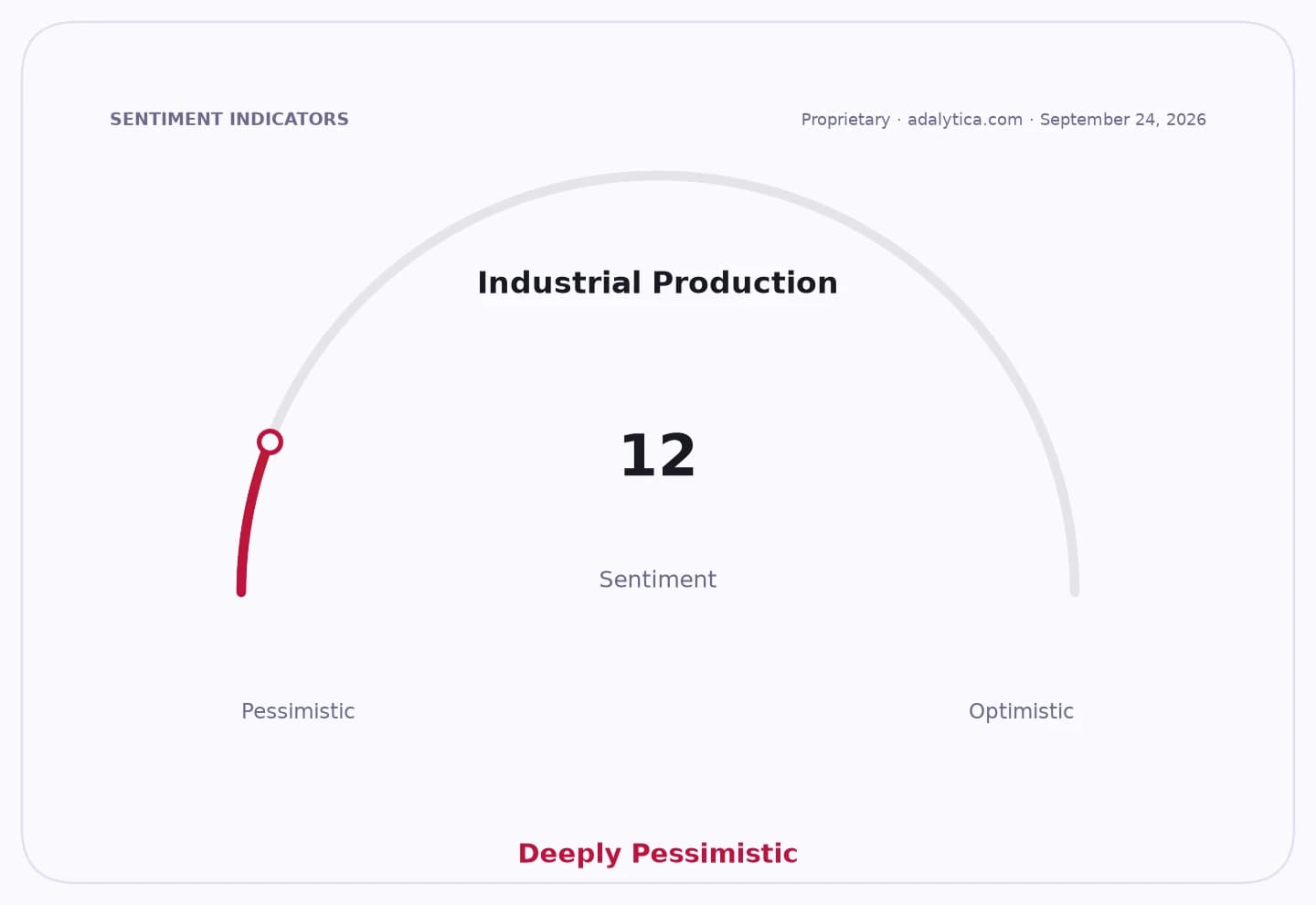
Sentiment IndicatorsⓘProprietary · adalytica.com · September 18, 2026
This is a snapshot — live sentiment, awareness and momentum for 130+ markets update continuously in the dashboard.Open AlphaPulse
Rio Tinto, BHP and Vale all remain tied to the direction of Chinese steel output and restocking cycles, and their shares have reflected that tug of war. Rio Tinto closed at $96.67 on Sept. 18 after falling as low as $95.79 the day before, while BHP ended at $85.55 and Vale at $14.18, leaving the big producers off their recent highs as traders weigh near-term cargo demand against weakening fundamentals.
The tension in the market is also visible in technical trading patterns. Rio Tinto and BHP both sit near their 50-day moving averages, while Vale has lost momentum after a strong run earlier this year. Rio’s RSI reading of 29.5 and BHP’s 28.2 point to oversold conditions, but those signals have not been enough to overcome the macro drag, suggesting investors are waiting for confirmation that Chinese buying is translating into stronger steel margins.
Commodity conditions are adding to the caution. Brent-linked crude prices have recently moved back above $100 a barrel, reinforcing cost pressure across the freight and industrial complex, while Adalytica’s China growth-target sentiment has fallen to “Extreme Fear,” underscoring how fragile expectations remain around Beijing’s support efforts.
For investors, the story is less about a straight-line rebound in iron ore than about whether seasonal restocking can offset a market that still lacks a convincing demand driver. Any sign that Chinese mills are rebuilding inventories ahead of holidays could help miners and shipping-linked names in the near term, but a sustained move higher likely depends on firmer steel consumption, better margins and clearer policy support from Beijing.
| Entity | Gains | Losses |
|---|---|---|
| Iron ore miners | ▲Restocking demand | ▼Weak price upside |
| Chinese steel mills | ▲Lower input restock costs | ▼Margin pressure |
| Importers/traders | ▲Short-term volume lift | ▼Negative import economics |
| Investors in miners | ▲Seasonal bounce potential | ▼Demand uncertainty |