China’s push to build a new rail artery through Central Asia just cleared its first major engineering hurdle, and that matters because the line could ultimately redraw how goods move between Asia, the Middle East and Europe.
China-Kyrgyzstan-Uzbekistan Railway Clears Tunnel Milestone
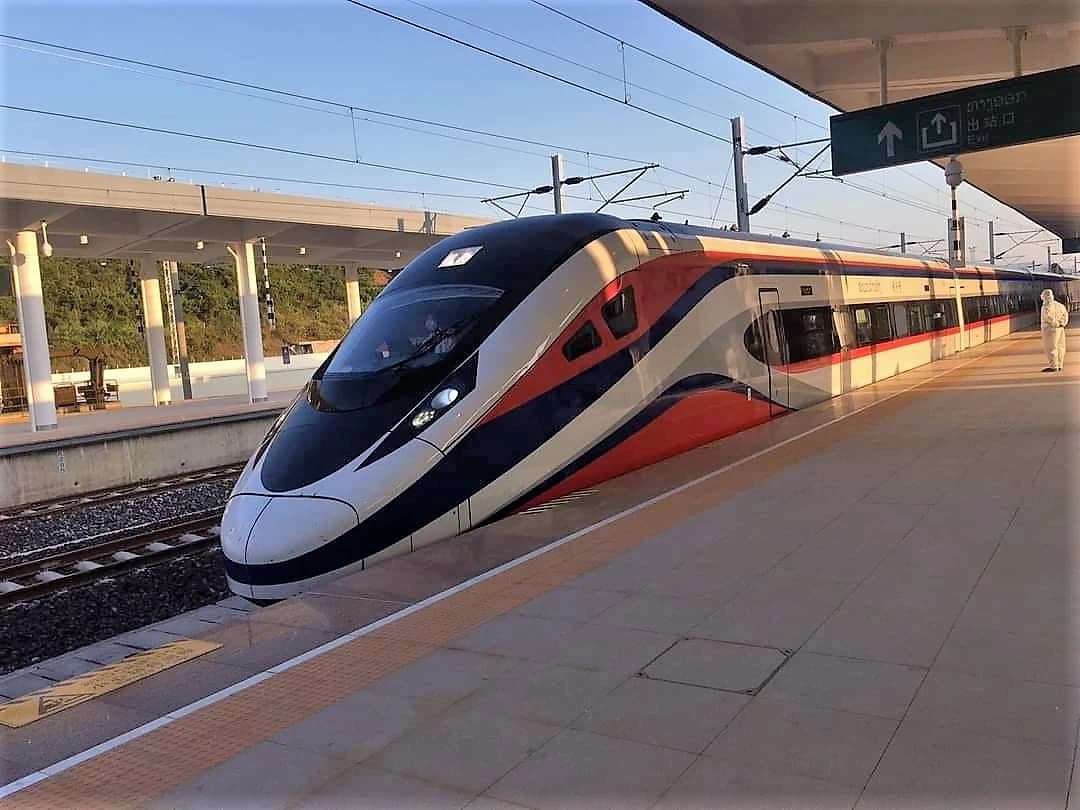
The 210-metre tunnel in Kyrgyzstan is the first to be drilled through on the China-Kyrgyzstan-Uzbekistan railway since full-scale work began in June, according to CCTV. For Beijing, the project is more than a construction update. It is a strategic trade corridor that would give China the shortest land route to Central Asia and onward to Europe while reducing reliance on routes that run through Russia.
Sentiment IndicatorsⓘProprietary · adalytica.com · September 7, 2026
This is a snapshot — live sentiment, awareness and momentum for 130+ markets update continuously in the dashboard.Open AlphaPulse
That makes the milestone economically important even before trains are running. A 500km railway across some of the region’s toughest terrain is the kind of infrastructure that can unlock trade flows, lower transport times and expand access for landlocked economies. About 305km of the line will be in Kyrgyzstan alone, which underscores why every tunnel, bridge and mountain crossing matters: the project’s commercial viability depends on whether it can overcome geography enough to compete with existing rail and road corridors.
For investors, the story is less about one tunnel than about the long game. China has spent years trying to build out Belt and Road links that connect its western provinces with foreign markets, and this route could strengthen southern Xinjiang as a logistics gateway. If the railway is completed, it would create a new option for shippers moving cargo between China and Europe, potentially benefiting rail operators, construction contractors, equipment suppliers and logistics firms tied to the corridor.
The project also carries geopolitical weight. A bypass of Russia is not just a map change; it is a reminder that China continues to diversify trade routes as cross-border tensions and sanctions pressure have reshaped global supply chains. The latest tunnel breakthrough does not make the railway a near-term cash flow story, but it does move the project one step closer to becoming a real alternative on Eurasian freight routes.
For long-term investors, that means the right lens is durability, not headlines. Infrastructure this large tends to play out over years, not quarters, and the winners are usually those with exposure to rail construction, freight logistics and regional trade expansion. The milestone is worth watching as a signal that one of Beijing’s most strategically important transport projects is slowly becoming tangible.
| Entity | Gains | Losses |
|---|---|---|
| China and Kyrgyzstan-Uzbekistan railway | ▲Strategic trade route advances | ▼Construction risk remains |
| China’s western Xinjiang region | ▲Better export gateway | ▼Less dependent on existing routes |
| Russia and transit rivals | ▲Less corridor share | ▼Potentially bypassed by freight |
| Rail contractors and logistics firms | ▲Future project demand | ▼Delays if terrain slows work |