Luxury shares tied to China have recovered sharply in recent weeks, but the move reflects hope more than proof that the market is back to health.
China Luxury Shares Rebound on Recovery Hopes
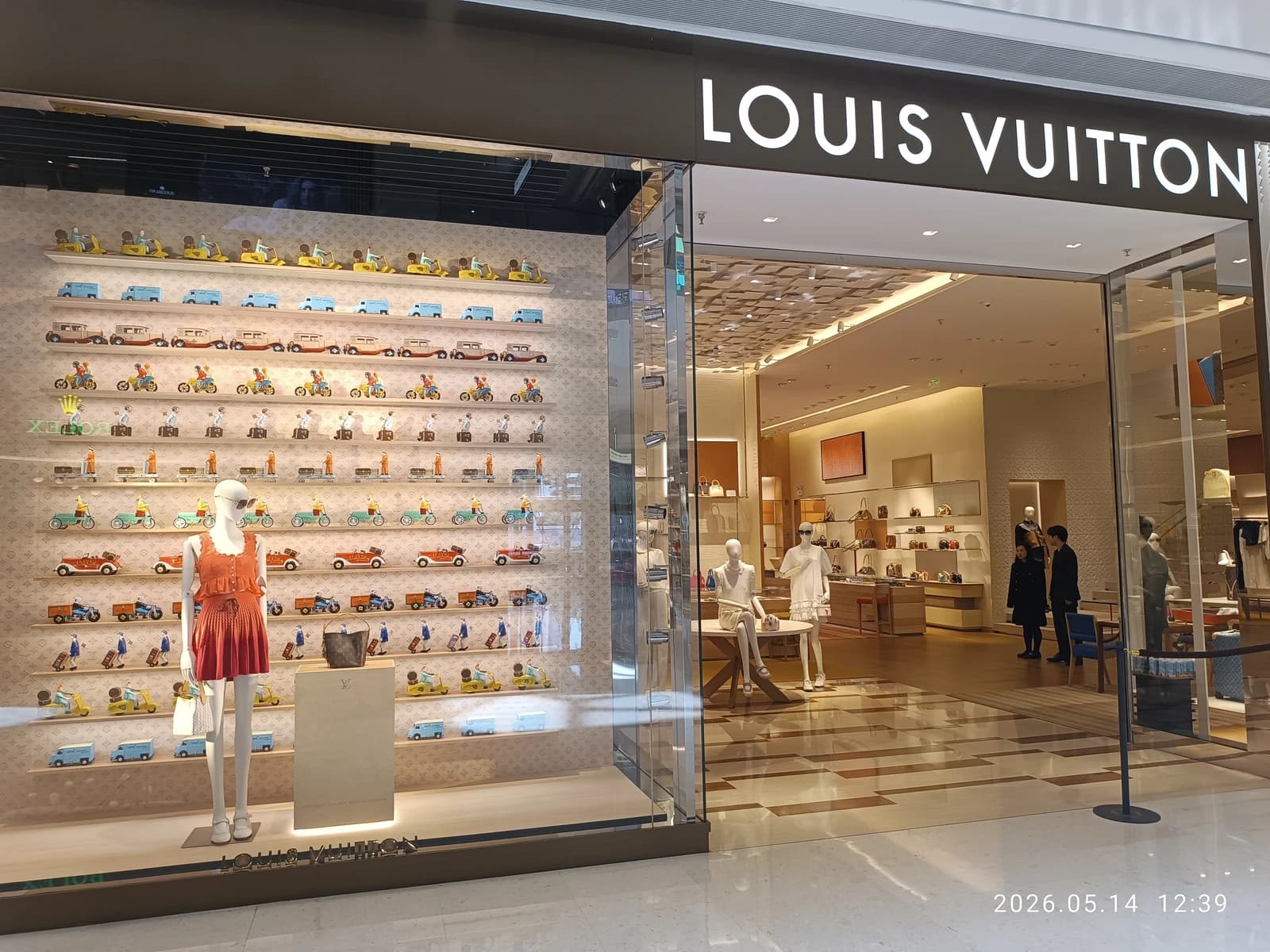
European groups with the heaviest exposure to Chinese shoppers have outperformed as investors look for an eventual spending recovery in the world’s most important luxury market. That matters because China has been the sector’s key growth engine for more than a decade, and a durable turnaround there would be the clearest path to restoring earnings momentum after a bruising two years of weaker demand, discounting and margin pressure.
The evidence so far is mixed. China and Hong Kong equities have bounced, helped by a global technology rally, stronger semiconductor exports and easing oil prices, all of which have improved risk appetite. That has fed a broader bid for cyclical and consumer names, including European luxury. But the underlying Chinese consumer remains fragile: property stress has not disappeared, broader economic momentum is still slowing and the rebound in mainland markets has been led more by technology and healthcare than by discretionary consumption.
That distinction matters for investors because luxury valuations move well before store traffic does. LVMH’s U.S.-listed shares, for example, have fallen from $147.80 in mid-November to about $105.10 this week, even after a brief recovery, while the stock remains below its 200-day moving average. Kering’s U.S.-traded shares have also weakened, slipping to $28.81 from $31.73 in June and staying under both the 50-day and 200-day averages. The technical backdrop shows the sector has not yet confirmed a full trend reversal, even if sentiment has improved.
For now, the market is trading on a narrative of stabilization: Chinese authorities are supporting vulnerable borrowers and pushing for broader distribution and growth into year-end, while global risk assets have benefited from a softer oil backdrop and renewed enthusiasm for technology shares. The bullish case is that any pickup in Chinese confidence quickly flows through to brands with pricing power, store productivity and operating leverage. The bearish case is that the current bounce is another short-covering rally in a market still waiting for convincing evidence that wealthy Chinese consumers are ready to spend again.
That is why China remains essential to the wider luxury recovery. If the rebound in Chinese markets broadens into household spending, European luxury groups would see margin support, less promotional pressure and a stronger case for multiple expansion. If it does not, recent gains in luxury shares will likely prove premature, leaving investors to wait for the next catalyst rather than the start of a real recovery.
| Entity | Gains | Losses |
|---|---|---|
| European luxury groups | ▲Higher China sales hopes | ▼Ongoing demand uncertainty |
| Chinese consumers | ▲More brand access | ▼Cautious spending behavior |
| Luxury investors | ▲Multiple rebound potential | ▼False-start rallies |
| LVMH/Kering | ▲Sentiment recovery | ▼Weak trend confirmation |