China’s decision to open tenders for spot LNG cargoes adds fresh demand to an already tight seaborne market and could give Russian supply a bigger opening into the world’s largest gas importer.
China Opens Spot LNG Cargo Tenders
The immediate significance is less about a single purchase than about what it says on procurement. By stepping into the spot market, Beijing is signaling that it wants more flexible supplies at a time when shipping capacity is constrained and winter demand could tighten balances further. For global LNG traders, that means another large buyer is back in the market just as Atlantic and Pacific cargoes are being pulled in competing directions.
The timing matters for Europe and Asia alike. Spot cargo tenders typically support prompt prices when buyers need supply quickly, and that can ripple through benchmark contracts, arbitrage economics and shipping rates. If China is forced to pay up for incremental volumes, it lifts the floor under the market. If it secures cheaper cargoes from a willing supplier, it reinforces the competitive pressure on other exporters trying to place LNG into Asia.
Russia appears to be among the main beneficiaries. Shipments from the Arctic LNG 2 project have been increasing into China, according to the market backdrop, and the tender process creates a more formal channel for those volumes to find a home. That is important because Arctic LNG 2 has faced sanctions-related constraints on financing, shipping and offtake. Any expansion in Chinese buying would help Moscow monetize gas that has struggled to access Western markets since the invasion of Ukraine.
For investors, the story is twofold. LNG exporters with spare cargoes and shipping flexibility stand to benefit from firmer spot pricing and stronger Asia premiums. On the other hand, utilities and industrial buyers that rely on imported gas may face a higher cost curve if spot demand intensifies into the colder months. LNG-linked equities are already trading in a market that looks extended: Cheniere Energy’s shares have risen sharply and technical readings show momentum remains elevated, while smaller shipping-linked names such as Flex LNG and Dynagas LNG Partners have also held firm.
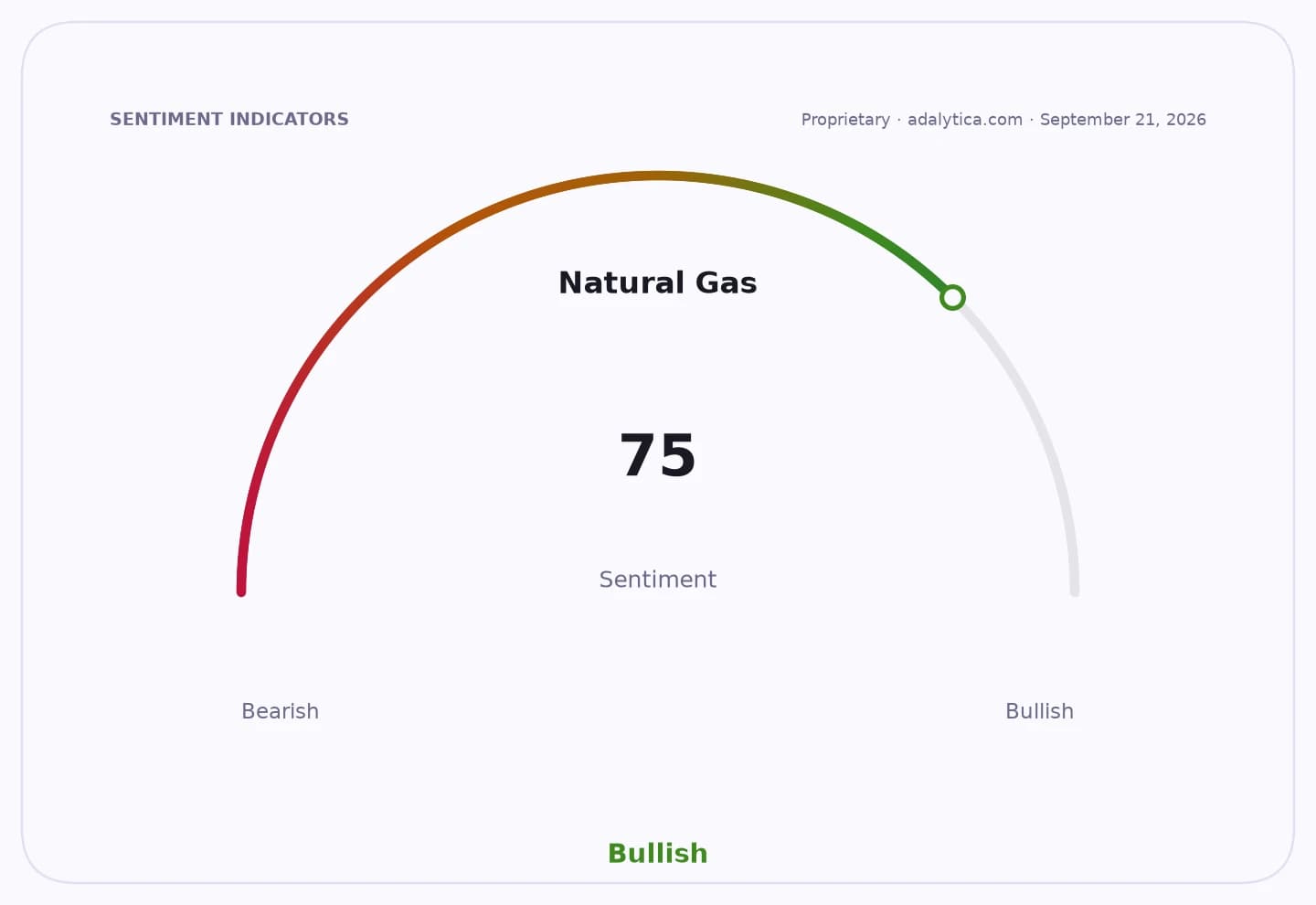
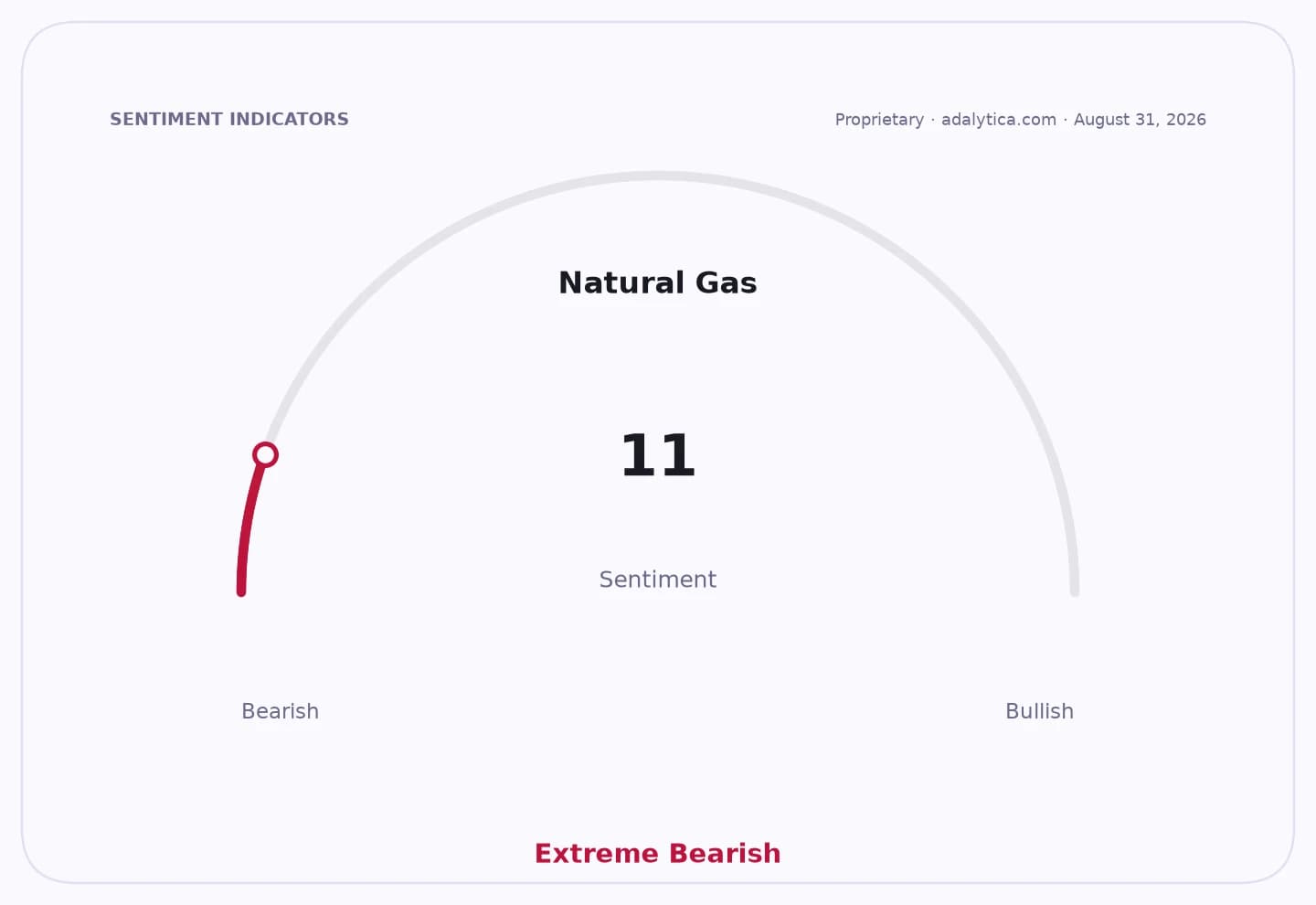
The broader macro backdrop is still supportive for gas bulls, even as sentiment around the natural-gas market in Adalytica’s data has fallen to “Extreme Fear.” That divergence underscores the market’s split personality: near-term fear over price volatility and logistics, but structural support from constrained infrastructure, geopolitical fragmentation and a growing need for flexible fuel. China’s tender does not solve those issues; it confirms them.
What traders will watch next is whether the tender results translate into larger, sustained spot buying and whether Russian cargoes keep displacing alternative suppliers in Asia. If they do, the market could remain tight longer than many expected, with consequences for prompt LNG pricing, shipping rates and the earnings outlook for exporters through the rest of the year.
| Entity | Gains | Losses |
|---|---|---|
| China LNG buyers | ▲More supply optionality | ▼Higher spot costs |
| Russian LNG exporters | ▲Better access to China | ▼Sanctions pressure |
| Global LNG traders | ▲Stronger spot liquidity | ▼Tighter cargo availability |
| Asian importers | ▲Flexible short-term sourcing | ▼More competition for cargoes |