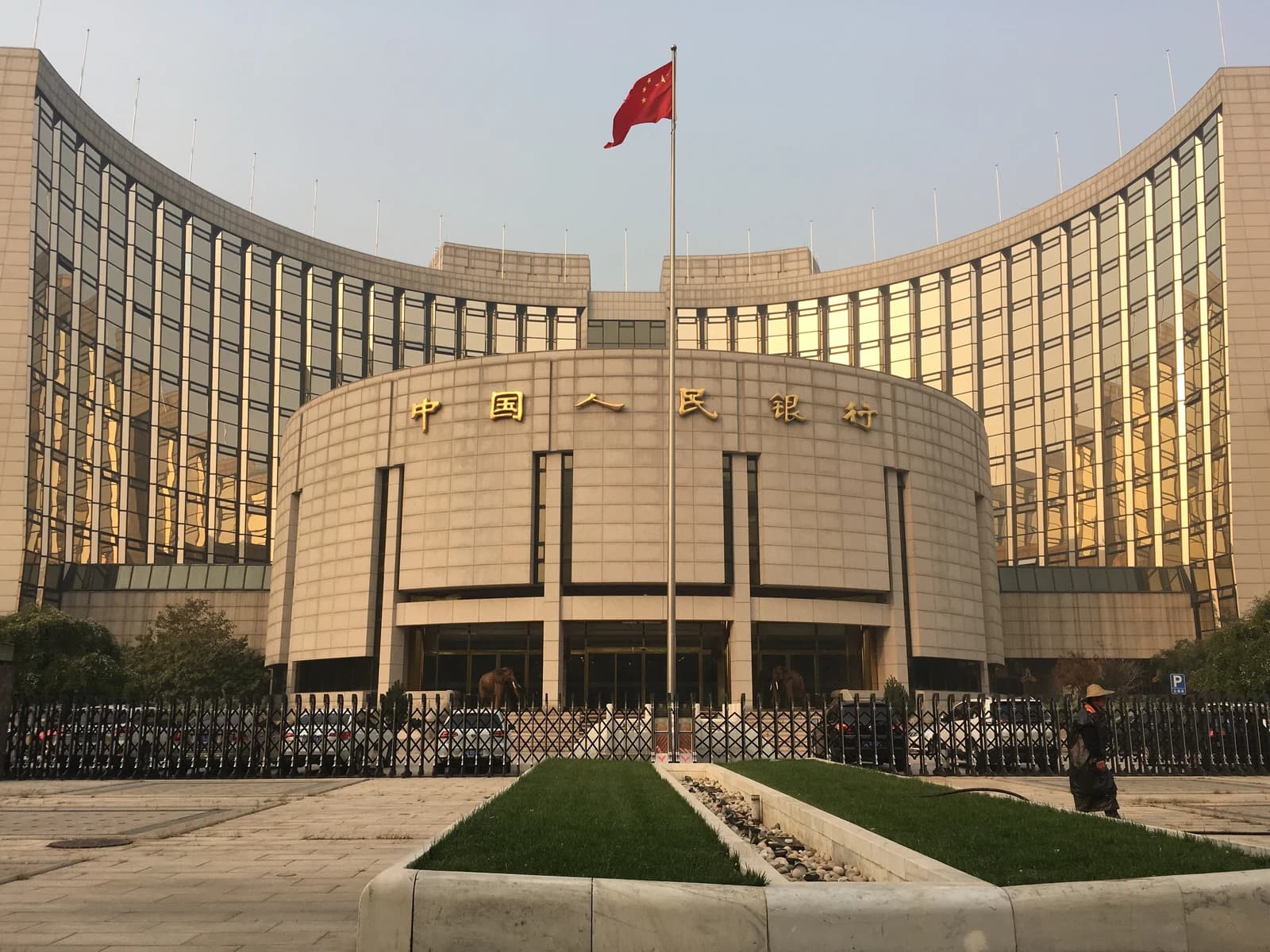
China’s holdings of U.S. government debt have fallen to the lowest level in 18 years, underscoring a broader shift away from dollar assets that is rippling through bond, currency and equity markets as investors rotate into gold and stocks.
China Treasury holdings hit 18-year low

The move matters because China remains one of the biggest foreign creditors to the U.S., and changes in its reserve mix can influence Treasury demand at the margin, the dollar’s trajectory and risk appetite across global markets. With U.S. 10-year yields easing back from recent highs and oil prices slipping, the macro backdrop has been supportive for equities, helping the Nasdaq add 1.69% in the latest session.
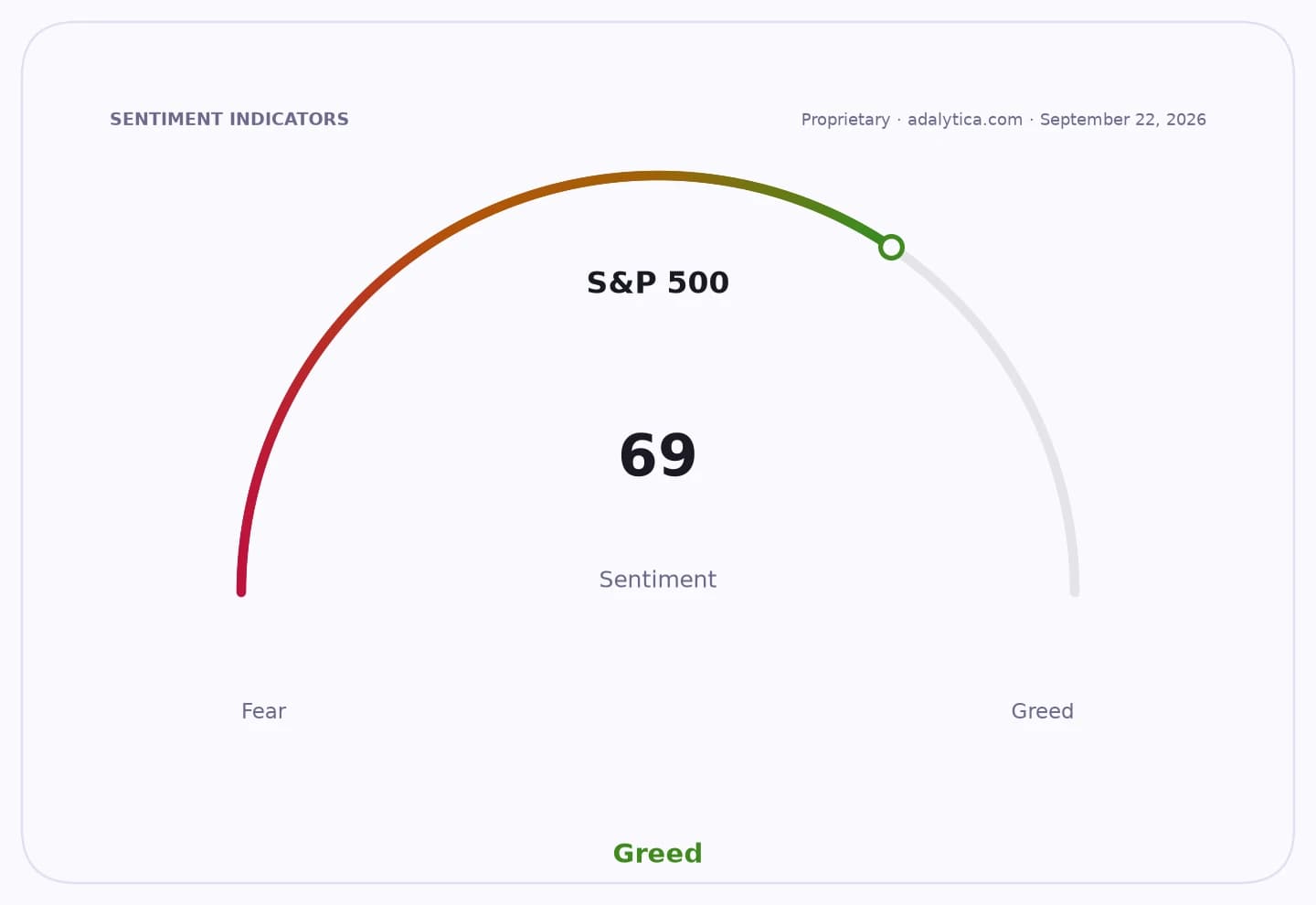
Sentiment IndicatorsⓘProprietary · adalytica.com · September 19, 2026
This is a snapshot — live sentiment, awareness and momentum for 130+ markets update continuously in the dashboard.Open AlphaPulse
China’s retrenchment from Treasuries also fits a longer-running effort to diversify reserves amid geopolitical tensions and concerns over concentration in dollar assets. The shift is not a short-term trade: Beijing has been steadily reducing exposure while building buffers at home, including the issuance of special sovereign bonds to support state-owned financial institutions. That points to a policy preference for domestic financial stability over parking excess savings in U.S. debt.
For investors, the implications are twofold. First, less Chinese demand for Treasuries can reinforce volatility in the U.S. bond market, especially when supply is heavy and fiscal deficits remain large. Second, the reallocation away from bonds toward gold and equities helps explain why gold-linked funds have stayed firm even as the broader market has rallied. GLD closed at $401.17 on Sept. 18, still above its 50-day moving average of $392.97, while its RSI recovered to 44.3 after dipping to 30.0 a day earlier, suggesting the metal remains in an active uptrend despite intermittent pullbacks.
The bond market has been less decisive. TLT, which tracks long-dated Treasuries, ended at $81.25 after recent weakness, with its 50-day average at $82.27 and the 200-day at $84.36, showing yields have not fully retreated into a sustained bull run for duration. Even so, the latest move in yields has been enough to support risk assets. The S&P 500 ETF SPY closed at $761.69, while the Nasdaq-sensitive bid has been more pronounced, reflecting how lower discount rates tend to favor long-duration growth stocks.
The oil move matters too. WTI crude’s slide reduces inflation pressure and gives bond markets room to breathe, a combination that typically benefits both equities and longer-duration assets. That is one reason the current market setup looks like a relative winner for U.S. stocks, especially large-cap technology, and a loser for crude exporters and investors positioned for higher rates.
Still, the bullish case for Treasuries is not dead. If global growth slows further or geopolitical risk intensifies, safe-haven demand could return quickly, even if China continues to diversify. But for now, Beijing’s bond reduction, firmer gold prices and a softer oil market point to a capital flow story rather than a simple one-day market rally: foreign reserve managers are spreading risk, and U.S. investors are trading on the consequences.
| Entity | Gains | Losses |
|---|---|---|
| Gold buyers | ▲Diversification inflows | ▼Missed bond carry |
| U.S. equity bulls | ▲Easier financial conditions | ▼Less defensive demand |
| Treasury sellers / short duration | ▲Higher yields, weaker prices | ▼China demand loss |
| Oil exporters | ▲Higher crude prices absent | ▼Softer commodity demand |