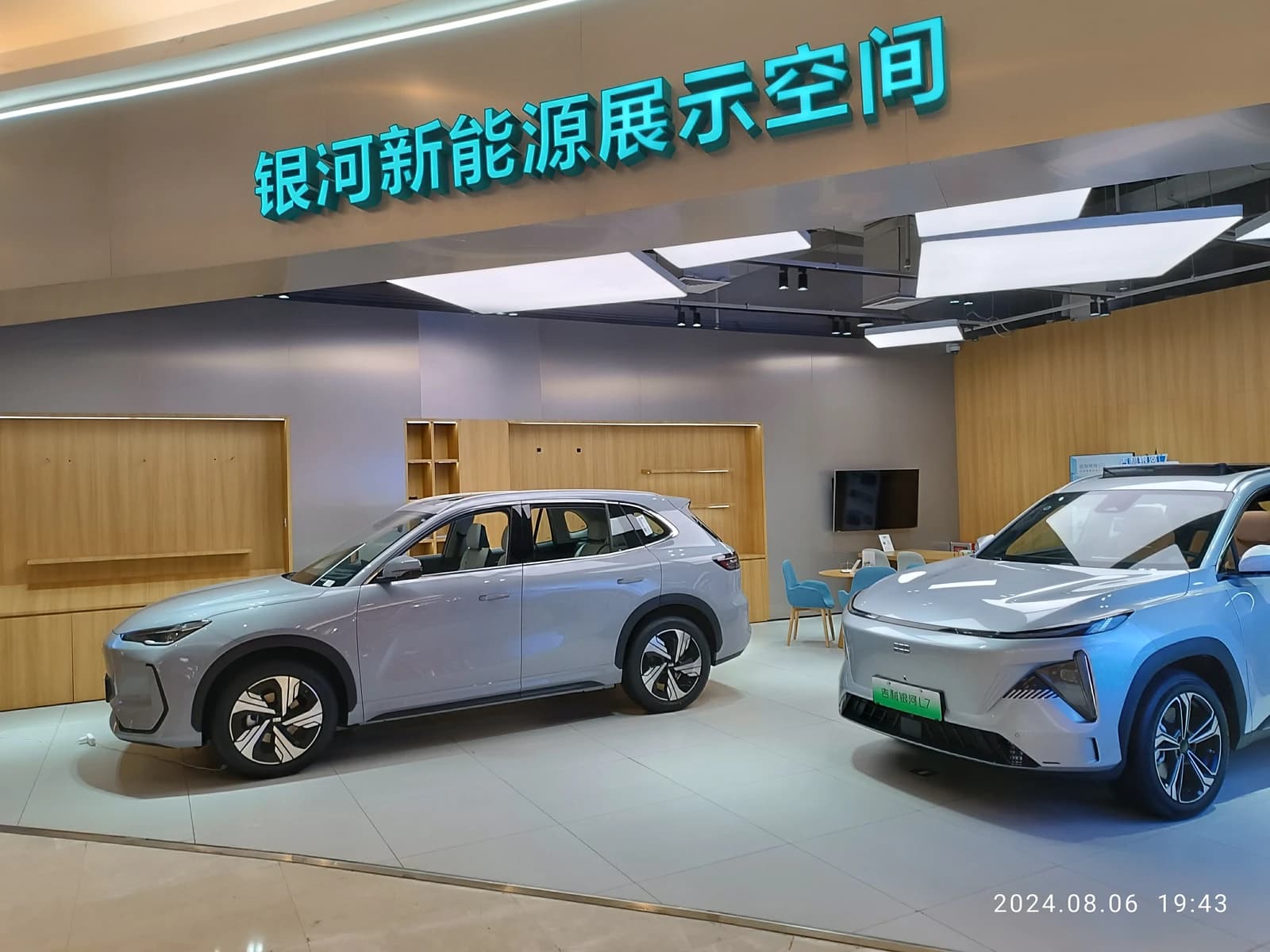
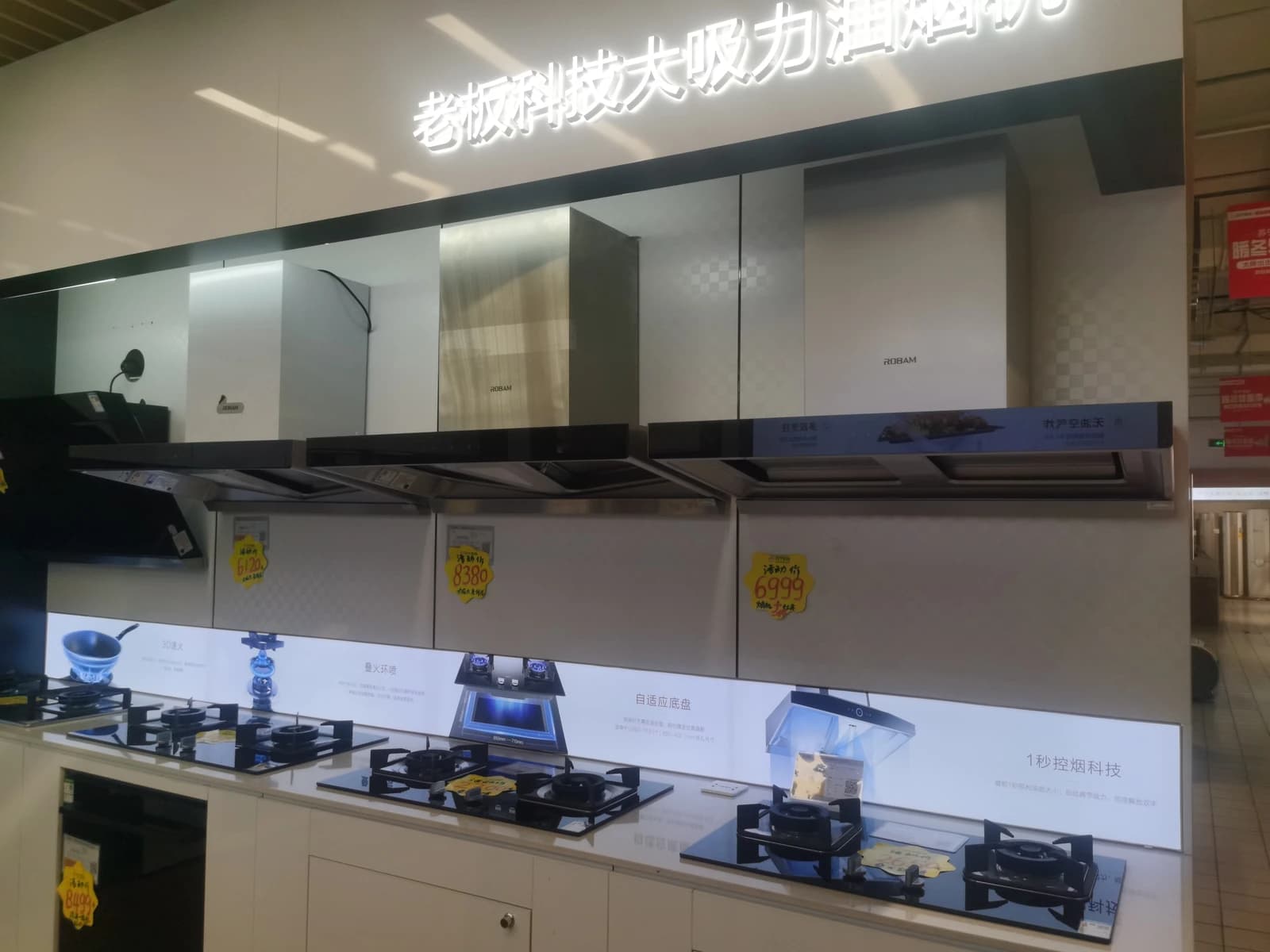
Chinese home-appliance brands are moving deeper into South Korea’s consumer market by staging industrial-style pop-up stores and other offline campaigns, a push that is starting to reshape competition in refrigerators, washing machines and other big-ticket household goods.
Chinese appliance brands expand in South Korea
The expansion matters because appliances are a low-frequency, high-value purchase where brand trust, service networks and retail visibility still drive share. If Chinese makers can convert price competitiveness and faster product cycles into a stronger showroom presence, they can chip away at incumbent Korean and global brands in a market that has historically favored domestic champions.
Sentiment IndicatorsⓘProprietary · adalytica.com · September 10, 2026
This is a snapshot — live sentiment, awareness and momentum for 130+ markets update continuously in the dashboard.Open AlphaPulse
That makes the story important not just for Korean sellers, but for global peers exposed to the same deflationary competition. Whirlpool shares recently traded at $36.83, far below its 50-day moving average of $39.53 and 200-day average of $56.82, while the stock’s RSI reading of 35.9 points to weak momentum. Philips, meanwhile, has been navigating tariff and cost pressure, with its latest filing flagging higher tariffs, cost inflation and a protectionist backdrop that is forcing multinational appliance makers to defend margins while competing on price.
For investors, the bigger implication is that China’s appliance makers are no longer just export players shipping volume overseas. By opening pop-ups and building brand familiarity in Korea, they are trying to move up the value chain into direct consumer recognition, which could support pricing power, local distribution leverage and eventually broader regional expansion.
The backdrop also fits a wider trade and industrial pattern. Adalytica’s China economic growth target sentiment remains neutral at 70, but it has weakened over the past week and month, underscoring the push for overseas growth as domestic demand stays uneven. At the same time, the S&P 500 trade-signal snapshot shows “Extreme Fear,” reflecting how tariff risk and de-globalization are still weighing on sentiment across consumer hardware.
The key question now is whether the pop-up strategy in Korea becomes a template for broader Asian expansion or remains a niche marketing experiment. The next catalysts are likely to be sales traction in the holiday buying season, fresh retailer partnerships and any new tariff or trade actions that could alter pricing power across the appliance sector.
| Entity | Gains | Losses |
|---|---|---|
| Chinese appliance makers | ▲Brand visibility in Korea | ▼Incumbent shelf share |
| Korean appliance brands | ▲Faster category growth | ▼Market dominance |
| Whirlpool | ▲None from cheaper imports | ▼Pricing power and share |
| Philips | ▲More urgency to localize | ▼Margins under tariff pressure |