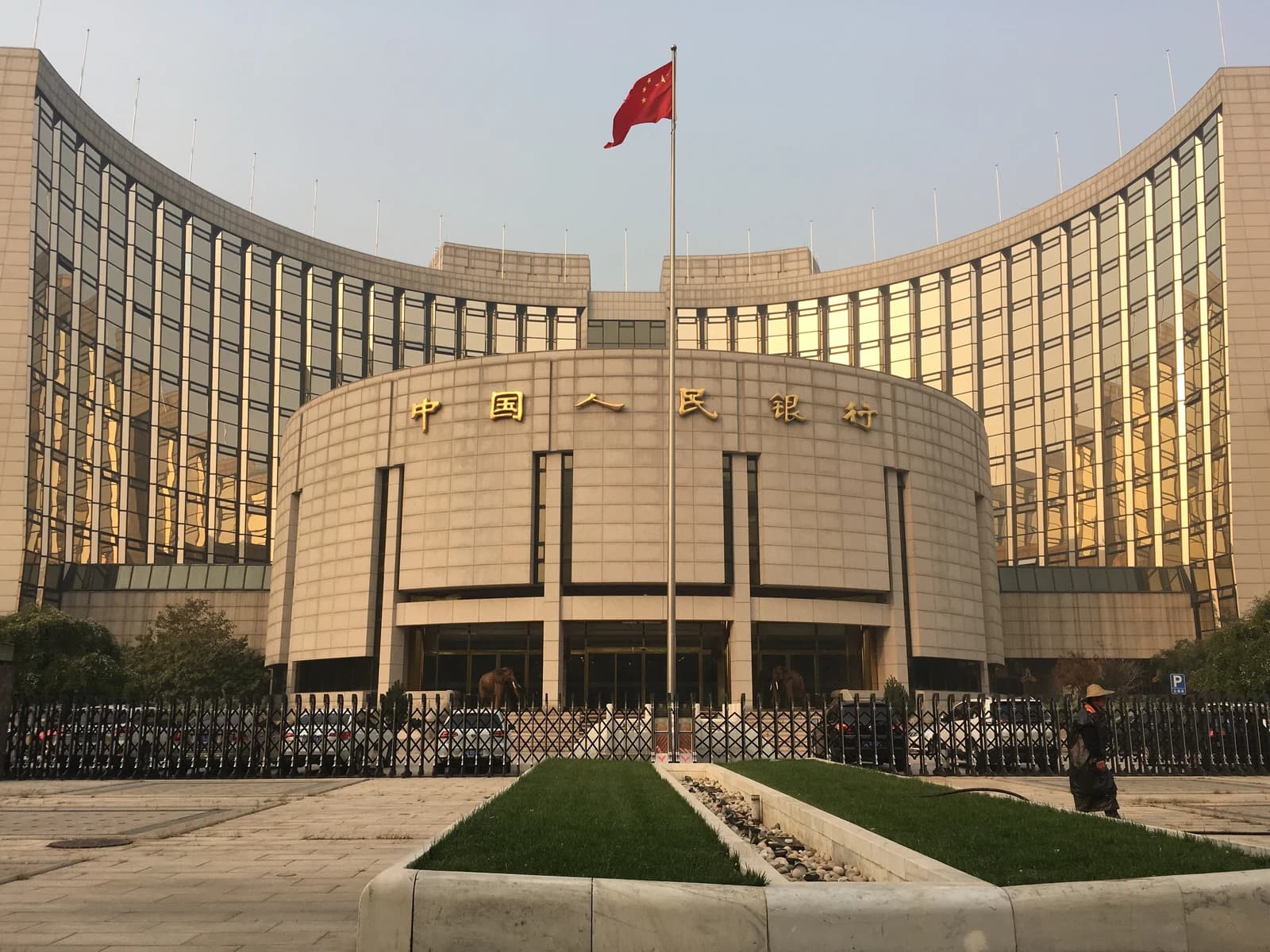
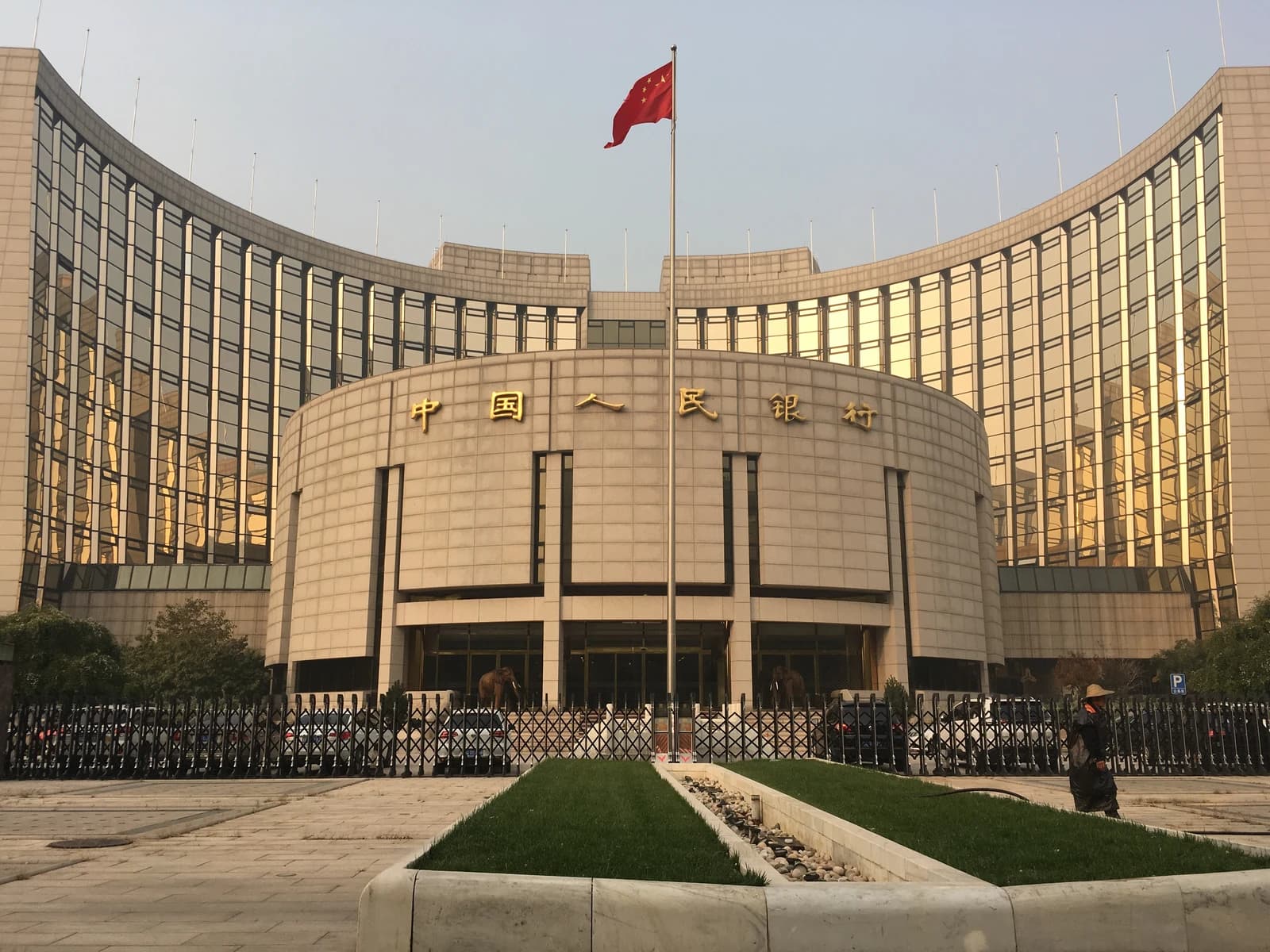
Chinese banks have been buying U.S. Treasuries over the past few months after lifting dollar deposit rates, a shift that helps explain a fresh source of demand for government debt just as the 10-year yield has climbed back toward 4.8% and Beijing appears to be leaning against further yuan strength.
Chinese banks buy U.S. Treasuries as yuan rises

The move matters because it links three pressures in one trade: China’s abundant dollar liquidity, low returns on domestic yuan assets and a policy preference for containing currency appreciation while supporting bank earnings. For investors, that means Chinese commercial banks may be re-emerging as a buyer of U.S. debt at a time when broader Treasury demand remains fragile and yields are vulnerable to swings in inflation, fiscal worries and foreign reserve management.
Sentiment IndicatorsⓘProprietary · adalytica.com · September 4, 2026
This is a snapshot — live sentiment, awareness and momentum for 130+ markets update continuously in the dashboard.Open AlphaPulse

According to people familiar with the matter, lenders have been wooing depositors into dollars by paying 3% to 4% on large balances, compared with just 0.95% on yuan deposits at major state banks. With the 10-year Treasury yield rising more than 30 basis points since early June to 4.76%, the math has improved for banks looking to earn a spread on safe assets, even after funding costs.
The purchases also reflect a shortage of attractive alternatives in China. Yields on Chinese government bonds are very low, domestic bond buying has drawn regulatory scrutiny and banks have been reluctant to convert yuan into dollars themselves because of tighter oversight of offshore investment. In effect, banks are using their customers’ dollar deposits to buy foreign sovereign debt rather than chase thin returns at home.

That creates a subtle but important macro effect. By attracting dollars and keeping them onshore in dollar accounts, banks can slow the yuan’s advance against the U.S. currency and ease pressure on local yields. Reuters reported the yuan has gained nearly 9% against the dollar since the start of last year, while China’s banking system has been sitting on a large and rising pool of foreign exchange deposits, which reached $1.18 trillion at end-July, up 17.9% from a year earlier.
The timing is notable. U.S. Treasuries have been buffeted by inflation concerns, deficit worries and a stronger growth outlook, leaving buyers to absorb higher yields. At the same time, China’s onshore bond market has been among the strongest globally, reinforcing the appeal of sending cash into U.S. paper rather than pushing more money into already-stretched domestic fixed income.
The June figure for China’s Treasury holdings via U.S. custodians, $633.4 billion, was down 13% from a year earlier and the lowest since 2008, but those numbers are widely seen as incomplete because ultimate ownership can be obscured through custody hubs such as Luxembourg and the Cayman Islands. That makes the bank buying more relevant as a marginal flow than as a precise gauge of Beijing’s official exposure.
For markets, the near-term implication is that Chinese banks could provide a quiet bid for Treasuries even as some major sovereign investors diversify away. That should help limit, but not reverse, upward pressure on yields. For currency traders, the buildup of dollar deposits suggests Beijing still has room to manage the yuan without overt intervention. For bond investors, it reinforces the idea that Treasury demand is being shaped less by a single dominant buyer than by a patchwork of yield-seeking institutions responding to shifting policy and funding incentives.
The key question now is scale. If the deposit war broadens and bank purchases continue, Chinese lenders could become a more visible marginal buyer of Treasuries. If regulators tighten the screws or U.S. yields fall, the incentive fades quickly. Either way, the flow underscores how China’s banking system is increasingly being used to manage both currency pressure and balance-sheet returns.
| Entity | Gains | Losses |
|---|---|---|
| Chinese banks | ▲Higher Treasury carry | ▼Thinner yuan bond returns |
| Dollar deposit holders | ▲Higher rates on cash | ▼Lower yuan conversion incentive |
| U.S. Treasury market | ▲Fresh foreign demand | ▼Less yield relief from weak demand |
| PBOC / policymakers | ▲Slower yuan appreciation | ▼Less control if flows accelerate |