Chow Tinh-chi’s return to the top of China’s summer box office after a seven-year gap matters because it shows the country’s movie market still has the power to reward proven local brands even as audiences grow more critical and Hollywood competition remains intense.
Chow Tinh-chi Returns to China Box Office Top
His film “Kungfu Nu Tu” grossed more than 2.3 billion yuan in the 2026 summer season, enough to put the Hong Kong comedy icon back in the “box office king” seat at a time when domestic releases were under pressure to break through in a crowded market. That number is important not just as a vanity metric for a veteran filmmaker, but as evidence that Chinese viewers will still turn out for a title that offers a familiar emotional register: underdog storytelling, physical comedy and a strong local cultural imprint.
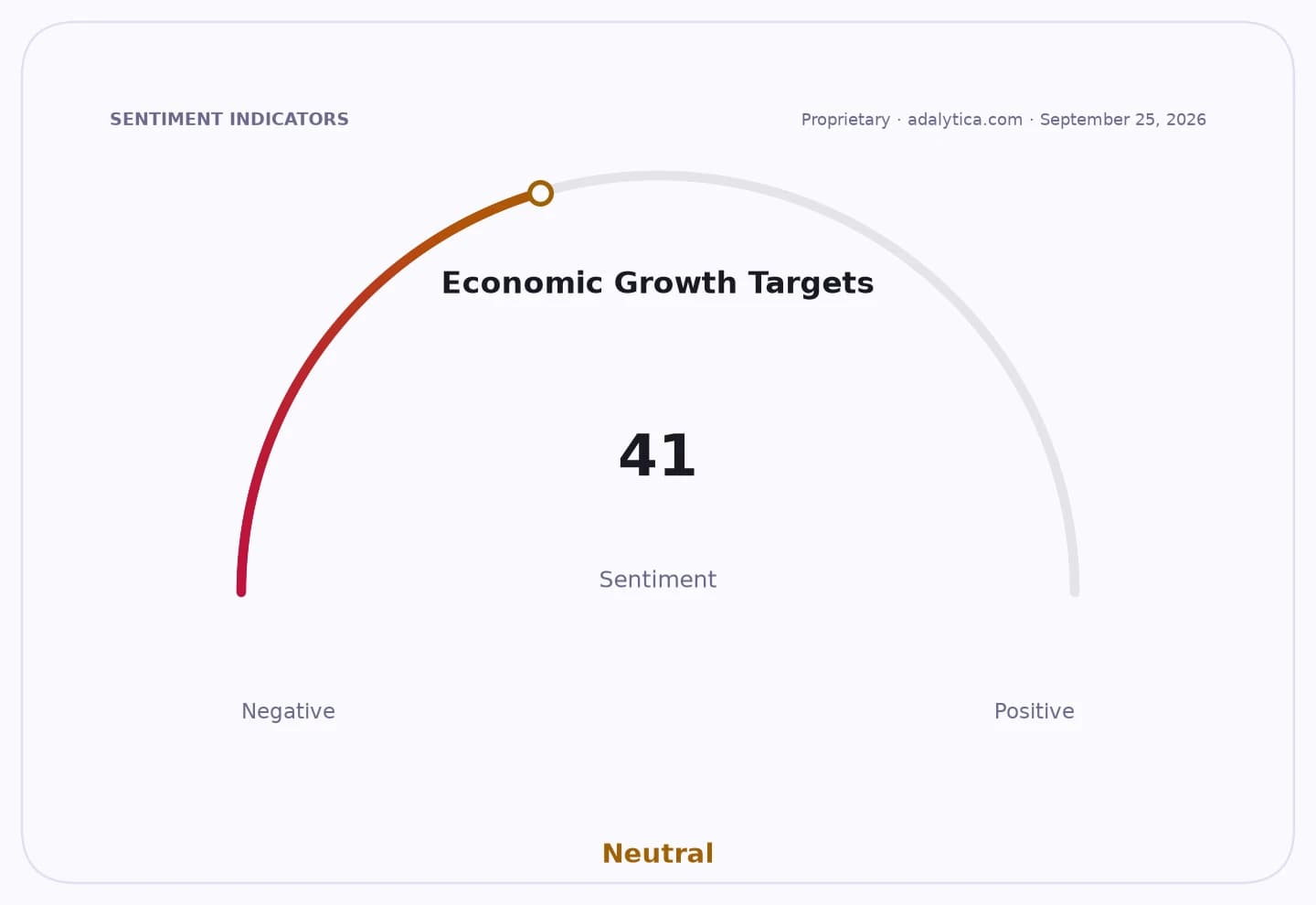
The comeback is more striking because the film was not greeted with universal acclaim. Online criticism was harsh, with Douban ratings falling to 6.5, the lowest of Chow’s directing career, and many viewers complaining about recycled jokes and weak writing. Yet the box office held up, suggesting that in China’s largest theatrical windows, brand recognition and emotional connection can still outweigh online skepticism. For investors in Chinese entertainment, that is a reminder that box-office performance and social-media sentiment do not always move together.
Chow’s return also matters for what it says about the economics of legacy IP and star-driven filmmaking. After his 2019 film “The New King of Comedy” disappointed commercially and “Mermaid 2” was shelved, a seven-year absence left room for doubt about whether his style still resonated with younger moviegoers. The answer, at least financially, appears to be yes. “Kungfu Nu Tu” is a remake built on an established formula, but the scale of its takings indicates there is still value in recognizable storytelling when the summer slate is crowded and consumers are selective.
The film’s performance also reinforces the wider importance of China’s box office to regional and global studios. Even in a summer packed with big titles, including Hollywood entries such as “The Odyssey” and “Spider-Man,” a local production led the market. That underscores the challenge for foreign studios: access to China alone no longer guarantees meaningful returns, and domestic films rooted in local humor and emotion can still dominate when they connect.
For Chow himself, the commercial success and the public tears he shed in Tianjin during fan events tell the same story from different angles. The film’s earnings restored his status at the top of the market; the audience response showed that his appeal is still tied less to perfection than to recognition. He has spent decades turning outsider figures into crowd-pleasers, and this latest run suggests that formula remains bankable even if it now comes wrapped in nostalgia.
What investors should watch next is whether this is a one-off revival or the start of a broader re-rating for aging Chinese franchises and veteran auteurs. If Chow can translate emotional loyalty into repeat commercial success, studios may lean harder on proven names and familiar properties. If not, “Kungfu Nu Tu” may end up as an exception in a market where audiences are still willing to forgive artistic fatigue, but only when the brand remains strong enough to draw them in.
| Entity | Gains | Losses |
|---|---|---|
| Chow Tinh-chi | ▲Box-office crown restored | ▼Critics and skeptics |
| Chinese cinemas | ▲Strong local turnout | ▼Hollywood imports |
| Domestic studios | ▲Proof legacy brands still sell | ▼Newer, untested films |
| Investors in Chinese film | ▲Visibility on audience demand | ▼Bets on weak IP refreshes |