Circle’s new arrangement with DBS Bank gives qualifying institutions in Asia around-the-clock access to U.S. dollar settlement in USD Coin, a small but important step toward making stablecoins behave more like core market plumbing than a niche crypto product.
Circle and DBS expand USDC settlement in Asia
That matters because the real economic story here is not just faster token transfers. It is the gradual linking of bank-grade infrastructure to dollar-backed digital money, which can reduce frictions in cross-border payments, treasury management and other institutional flows that still rely on slow, costly correspondent banking rails. For Asian institutions that qualify under the agreement, the ability to issue and redeem USDC directly through Circle and DBS adds a regulated on-ramp and off-ramp that could make the token more useful for real-world settlement.
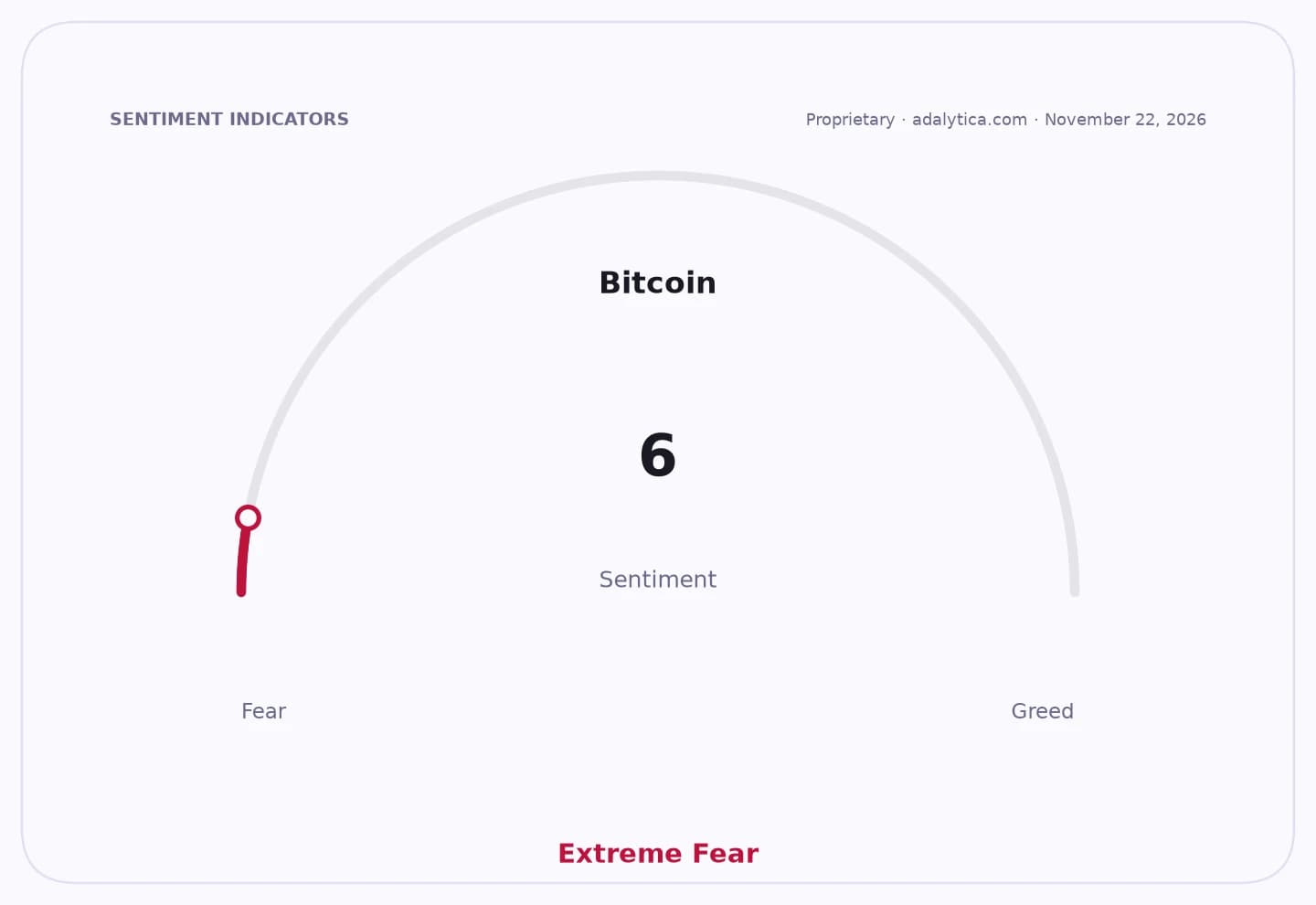
Sentiment Indicators
The distinction in the arrangement is important for investors. The 24/7 settlement service covers dollar-to-USDC and USDC-to-dollar settlement, but it does not mean every holder can directly redeem tokens at will. Direct issuance and redemption remain gated to eligible institutions, with Circle Mint typically serving as the account gateway for conversion into dollars. In other words, this is institutional infrastructure, not a blanket change to retail access.
For Circle, the deal reinforces its push to make USDC the default stablecoin for institutional finance by widening distribution through a major regional bank. For DBS, it extends the bank’s role in digital-asset infrastructure at a time when financial institutions are looking for ways to support tokenized cash, faster settlement and easier liquidity management without abandoning regulatory guardrails.
That combination is what makes the announcement economically meaningful. Stablecoins are increasingly competing not just on blockchain network effects, but on trust, liquidity and access to banking rails. If more banks follow DBS, USDC could become harder to ignore in international payments and on-chain finance, especially in Asia, where demand for dollar liquidity is persistent.
Investors should also note the market backdrop. Coinbase, the most obvious public-market proxy for Circle’s ecosystem, has been volatile, with its shares recently trading well below short-term and longer-term technical levels. But long-term investors tend to care less about one headline than about whether USDC keeps gaining institutional utility. More real settlement use cases would strengthen the broader stablecoin thesis and could support trading, custody and infrastructure revenues across the crypto stack.
The bigger narrative is clear: stablecoins are moving from crypto convenience to financial infrastructure. This deal does not rewrite the market overnight, but it adds another credible bridge between traditional banking and digital dollars. For investors who think in years, not days, that is worth watching closely.
| Entity | Gains | Losses |
|---|---|---|
| Circle | ▲Broader institutional reach | ▼Fewer barriers to adoption remain |
| DBS Bank | ▲New digital-asset role | ▼More regulatory scrutiny |
| Asian institutions | ▲24/7 dollar settlement | ▼Access limited to qualifying clients |
| Correspondent banking rails | ▲— | ▼Some payment flow share |