Circle Internet Group’s shares are being underpinned by a more constructive earnings and product narrative, even after Washington dealt the crypto industry a regulatory setback, with TD Cowen lifting its price target to $92 from $87 on expectations that reserve income and new infrastructure products can keep improving.
Circle Internet raises target on reserve income

The call from analyst Bryan Bergin matters because Circle’s valuation still hinges on a relatively narrow set of drivers: the income it earns on reserves backing USDC, and whether it can turn its blockchain ambitions into meaningful fees. TD Cowen’s view is that both are moving in the right direction, giving investors a reason to look past the Senate’s failure to advance the CLARITY Act, which had been expected to provide a clearer framework for digital assets.
Sentiment IndicatorsⓘProprietary · adalytica.com · September 19, 2026
This is a snapshot — live sentiment, awareness and momentum for 130+ markets update continuously in the dashboard.Open AlphaPulse
Shares fell 6.8% on Wednesday after the bill failed to clear the 60-vote threshold, underscoring how sensitive Circle remains to policy headlines. But Bergin argued the vote is a delay rather than a derailment. That distinction matters for Circle more than for many other crypto names because the company already benefits from a federal stablecoin regime under the GENIUS Act and holds federal and state trust approvals, reducing some of the legal uncertainty that still hangs over much of the sector.
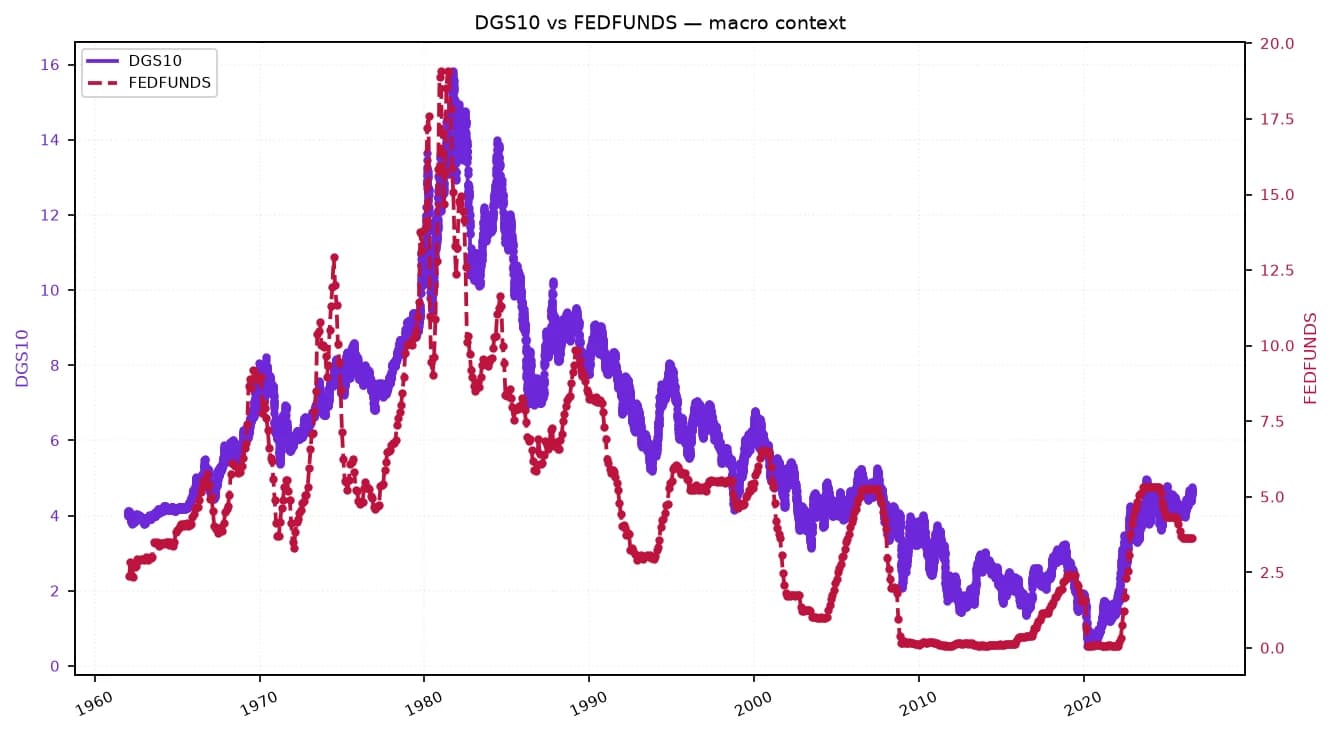
The more immediate support for the stock comes from economics. Circle earns income on the assets backing USDC, so a 25-basis-point increase in the Federal Reserve’s benchmark rate to 3.75%-4.00% should, all else equal, improve reserve yield. That is especially relevant after earlier periods when falling yields squeezed revenue. In the company’s latest filing, it said declining average yields had weighed on revenue, highlighting how closely Circle’s business model tracks the rate cycle.
At the same time, TD Cowen is assigning more value to Circle’s effort to move beyond pure stablecoin economics. The September 16 launch of Arc’s public mainnet, with more than 100 institutional and ecosystem builders at launch, gives the company a platform aimed at financial markets, real-time money movement and other institutional applications. That opens a potential second act for Circle in blockchain infrastructure, where monetization could eventually come from products such as CPN, CCTP, StableFX and Arc itself.
For investors, the key question is whether that optionality is large enough to justify the volatility. The bull case is that higher rates boost reserve income while Arc and related products add recurring, higher-margin revenue streams. The bear case is that regulatory progress remains slow, crypto sentiment stays fragile and the stock’s performance remains dominated by interest-rate swings rather than durable platform growth.
Circle’s shares have already been trading with large swings, and the latest setback in Congress showed how quickly policy disappointments can hit the name. But TD Cowen’s higher target suggests the market may be underestimating how much of Circle’s near-term value is tied to macro conditions and how much longer-term upside could come from infrastructure, not just USDC.
| Entity | Gains | Losses |
|---|---|---|
| Circle Internet Group | ▲Higher reserve income, Arc monetization | ▼Near-term regulatory clarity |
| TD Cowen | ▲Theses validated by product and rate support | ▼None material |
| USDC holders / institutional users | ▲Better infrastructure and adoption potential | ▼Slower policy progress |
| Crypto rivals without stablecoin approvals | ▲Circle’s relative credibility slips less | ▼Clearer framework delayed |